Reasons, Reasons, Reasons…Why is everyone nuts about small dogs? Maybe you live in an apartment or you just love small dogs. Whatever the reason, there are a million reasons why you should consider owning a small dog as your pet. They’re small, easy to take care of and they don’t need much exercise.
Why Small Dog Breeds Are Popular:
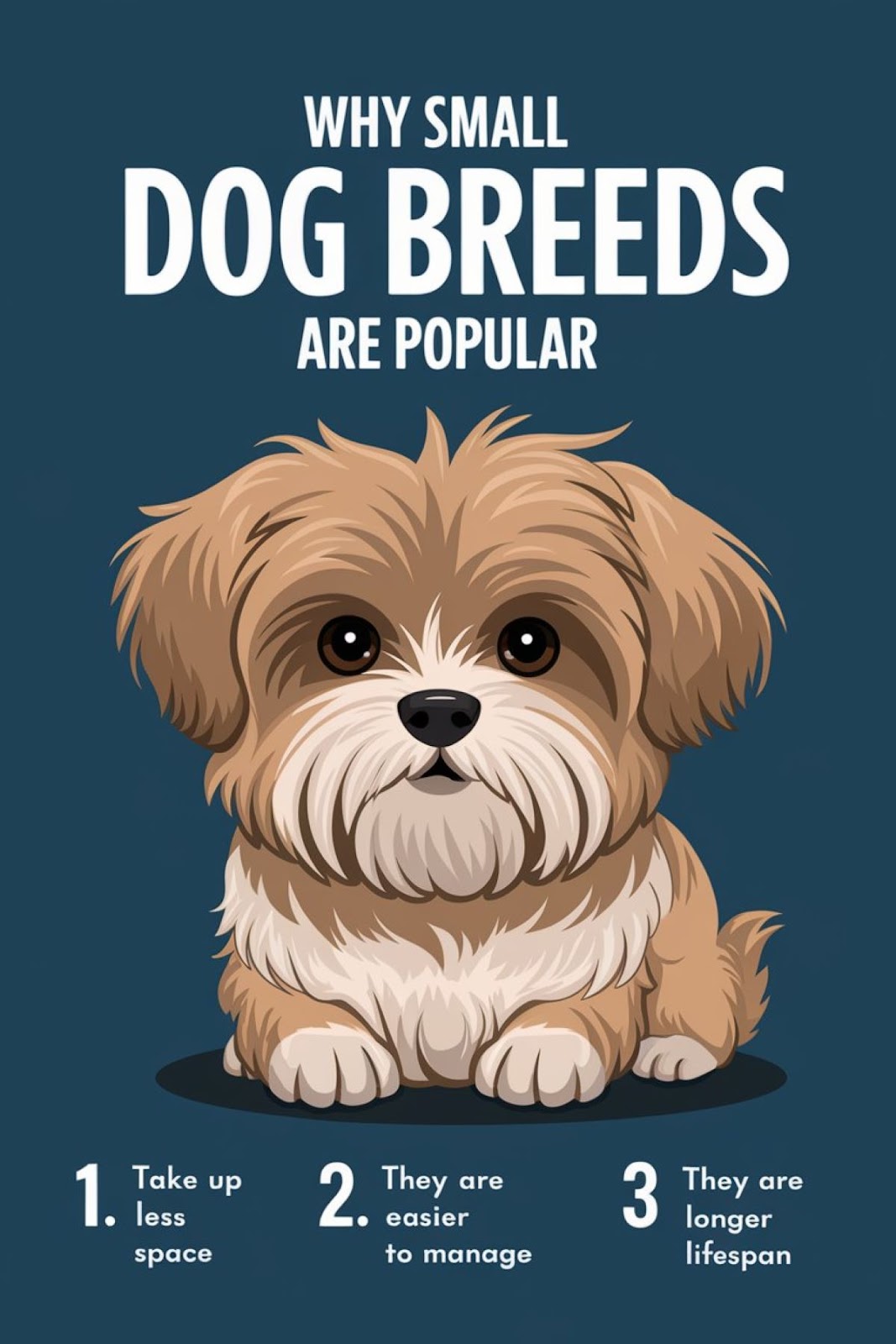
- Space Efficiency: Small dogs are great for apartment living and smaller homes. They don’t need a big yard to run around in and can be just fine with smaller spaces.
- Manageability: It’s small enough to handle. That’s great for people who can’t handle bigger dogs.
- Lower Exercise Requirements: 1. Small Breeds – Small breeds usually require less exercise than large breeds. If you’re busy or prefer shorter walks, this could be a good fit.
In this post, I’m going to tell you all about the best small dog breeds. I’ll explain what makes them great and how they can fit into your life. By the end, you’ll know which one of these small dog breeds is the best for you. Let’s get started.
What Makes a Dog Breed Considered “Small”?
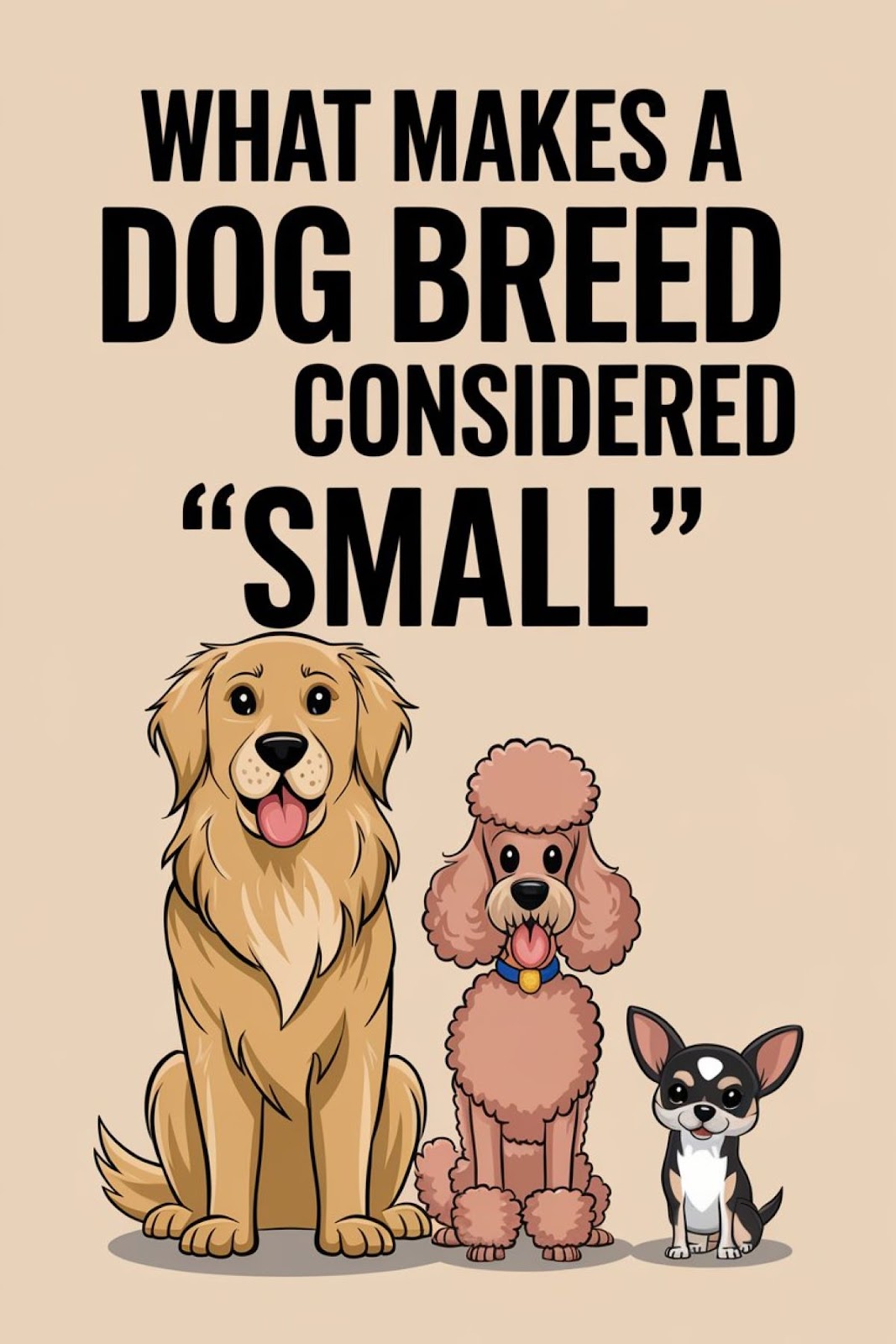
If you’re a dog lover then you know that small dogs are simply something beautiful to have. When you bring home that small, fluffy little bundle of joy, you need to know what makes a small dog. What is a small dog? Here are some small dog breed traits.
Definition of Small Dog Breeds
Small dogs can also be defined by size. I don’t really agree, but most people do.
- Weight: Small dog breeds weigh between 4 and 25 pounds (1.8 to 11.3 kg). They are light and easy to carry.
- Height: Small breeds are typically 6-18 inches (15-46 cm) at the shoulder, making them ideal for apartment living and easy to care for.
Comparison with Medium and Large Breeds:
| Breed Size | Weight Range | Height Range |
| Small | 4 – 25 pounds (1.8 – 11.3 kg) | 6 – 18 inches (15 – 46 cm) |
| Medium | 25 – 60 pounds (11.3 – 27 kg) | 18 – 25 inches (46 – 63 cm) |
| Large | 60 – 120 pounds (27 – 54 kg) | 25 – 30 inches (63 – 76 cm) |
Characteristics of Small Dog Breeds
Small dog breeds share several common traits, although individual breeds may vary:
- Behavior and Temperament:
- 3. They are affectionate: Small dogs are usually very affectionate and want to be near you all the time. They want to be with you.
- Alert: It is possible that small dogs bark more because they are more sensitive to perceived threats.
- Health Considerations:
- Lifespan: Smaller dogs tend to live longer than larger dogs and can live 12-16 years or more.
- Health Issues: Yes, but they can have their own health problems, like dental, patellar luxation (knee dislocation) and certain genetic problems. But vet visits and a healthy diet are a must.
Examples of Common Small Dog Traits:
- Playfulness: Small dogs are usually very active and love to play. If you are an active person or a family, this is a good choice.
- Trainability: Small breeds are smart and easy to train, but they can also be stubborn.
Top 10 Best Small Dog Breeds
Here is our list:
1. Chihuahua
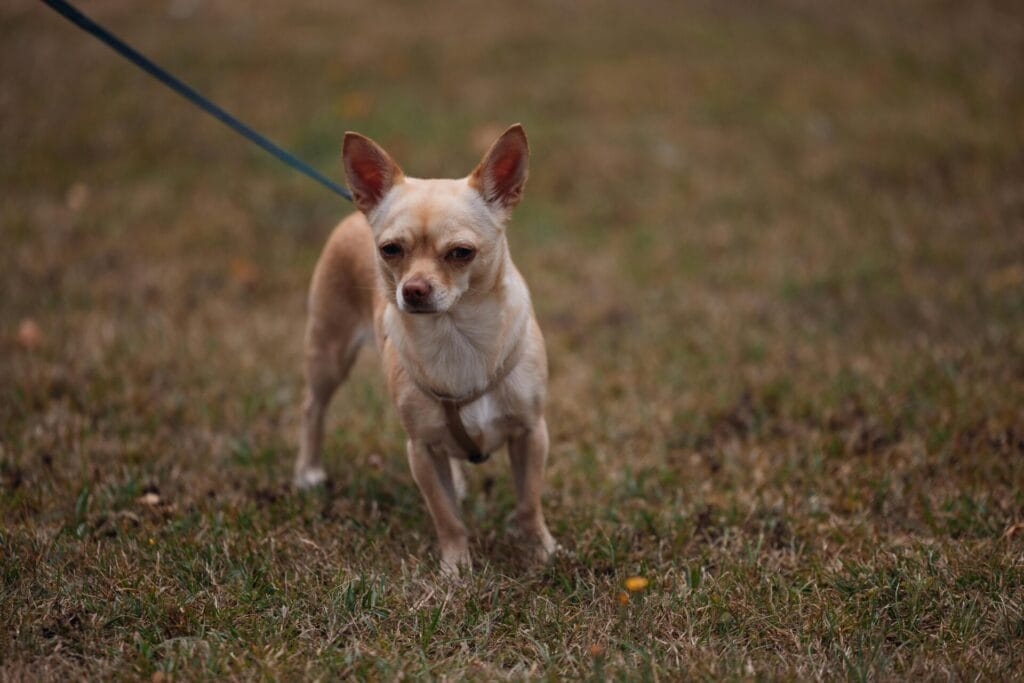
Overview: 15. Chihuahua: The Chihuahua is a popular small dog breed known for its small size and big personality. It originated in Mexico and is often considered the perfect lap dog.
Size and Appearance:
- Weight: This is typically between 2 to 6 pounds (0.9 to 2.7 kg).
- Height: Height: Stands about 6 to 9 inches (15 to 23 cm) tall at the shoulder.
- Coat: Chihuahuas can come in both smooth and long-haired varieties. Smooth coats are easier to maintain and long-haired Chihuahuas require frequent brushing to prevent tangles.
Personality:
- Bold and Confident: This is a small dog but don’t be fooled. They are very confident and even a little bossy!
- Loyal Companions: They can be very bonded to their owners and are often very loyal and loving.
Care Needs:
- Exercise: They should be exercised in moderation, like short walks and playtime.
- Training: Chihuahuas are smart, but a bit stubborn. So positive reinforcement training is the way to go.
Health Considerations:
- Dental Health: Small breeds such as Chihuahuas have more dental problems, so you’ll want to be sure to keep up with dental care.
- Patellar Luxation: For cats, this can cause the knee to pop out of place and a trip to the vet.
Ideal Living Conditions:
- Apartment Living: If you live in an apartment, Chihuahuas are a great choice because they are small and don’t need much exercise.
- Temperature Sensitivity: They might get cold, so they might need a sweater.
2. Pomeranian
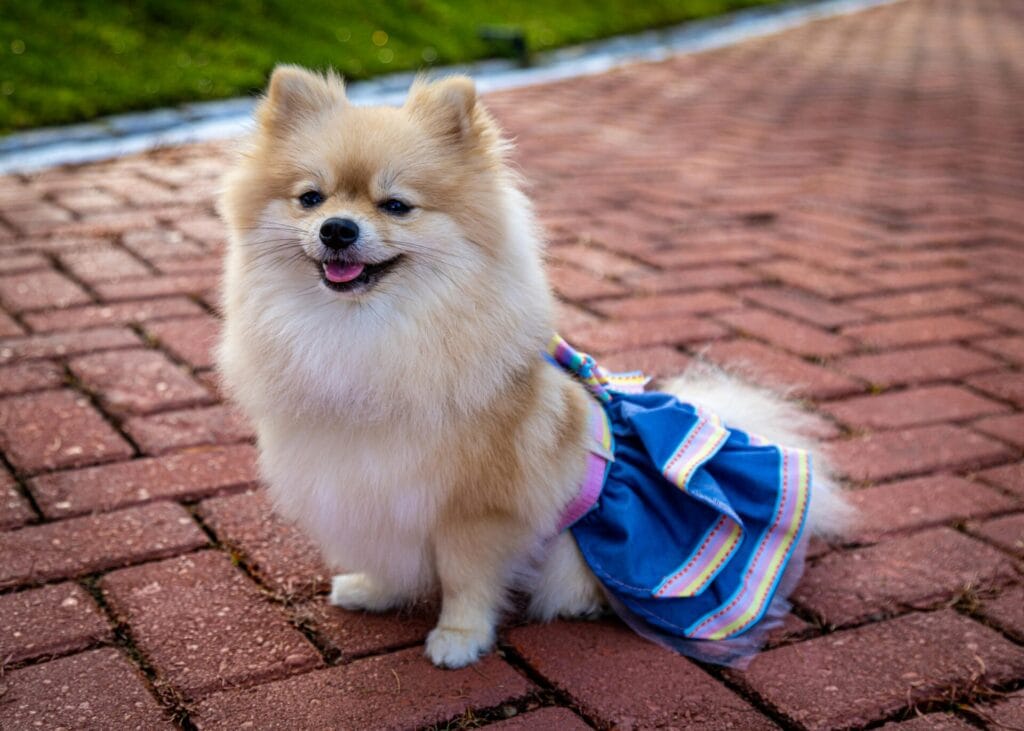
Overview: 3. Pomeranian. Pomeranians are a small dog with a large personality. They have a double coat and lots of energy. If you want a dog with lots of life, this is the breed for you.
Size and Appearance:
- Weight: 3 to 7 pounds (1.4 to 3.2 kg)
- Height: Height: 7-12 inches (18-30 cm) tall.
- Coat: They have a double coat which is long and dense. You’ll need to groom them to keep their coat tangle-free.
Personality:
- Energetic: Pomeranians are active dogs who love to play games and get exercise.
- Affectionate: They are great fans of the spotlight and are very loyal to their owners.
Care Needs:
- Grooming: They have a thick coat and need to be brushed daily to avoid mats and tangles. I’d also recommend professional grooming.
- Exercise: Pomeranians are active dogs, and they require regular exercise like walks and playtime.
Health Considerations:
- Dental Issues: 7. They have small mouths which can cause dental problems, so brushing is essential.
- Tracheal Collapse: They can also suffer from tracheal collapse and may need to see a vet.
Ideal Living Conditions:
- Apartment Living: Why Pomeranians make great apartment dogs: 1. They’re small 2. They’re adaptable 3. They’re portable 4. They’re low maintenance.
- Temperature Control: They’re okay in moderate temperatures, but I wouldn’t wear them in extreme ones.
3. French Bulldog
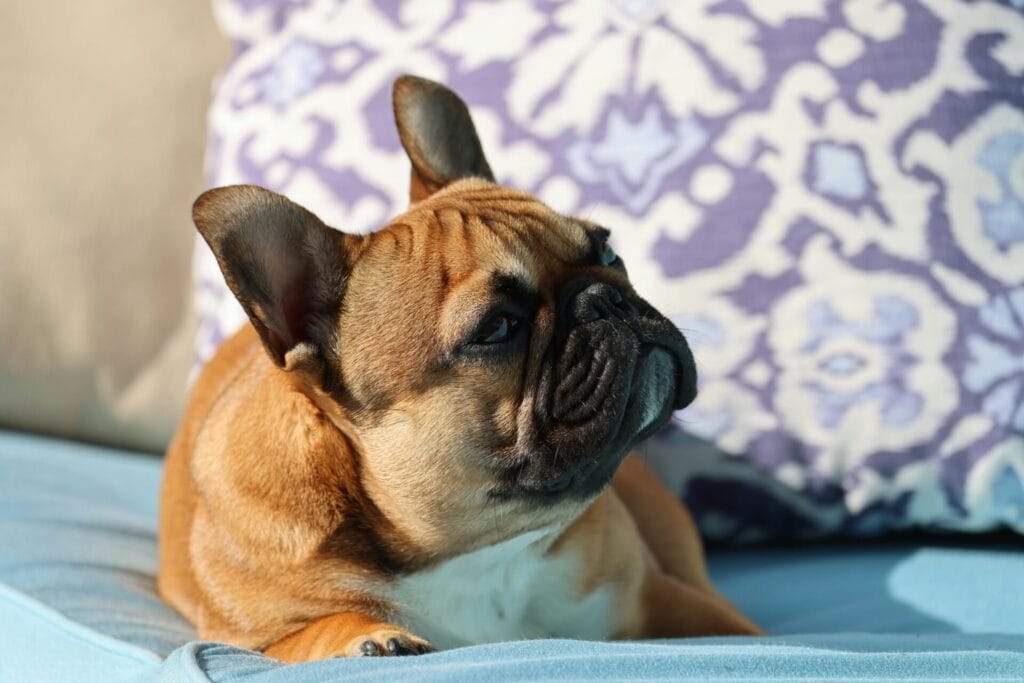
Overview: They are also called Bat-Eared Dogs and Frenchies. They are muscular dogs that look like bats. They are great pets, friendly and adaptable.
Size and Appearance:
- Weight: Typically weighs between 16-28 pounds (7.3-12.7 kg).
- Height: Standing around 11-12 inches (28-31 cm) tall.
- Coat: French Bulldogs have short, smooth coats that don’t require much grooming.
Personality:
- Friendly and Easygoing: French Bulldogs are very friendly and easy-going dogs. They love children and other pets.
- Playful: They love to play and are very active, but they don’t need much exercise.
Care Needs:
- Exercise: They need moderate exercise, such as short walks and playtime.
- Grooming: The short hair coat is also very easy to care for, requiring only an occasional brush.
Health Considerations:
- Brachycephalic Syndrome: Another problem with a flat face is that it can cause breathing problems, especially in hot or humid weather.
- Hip Dysplasia: French Bulldogs can also suffer from hip dysplasia and need medical care.
Ideal Living Conditions:
- Indoor Living: French Bulldogs are indoor dogs who love to be cool and comfy. They make great apartment dogs.
- Temperature Sensitivity: As brachycephalic dogs, they should not be exposed to extreme heat and cold.
4. Shih Tzu
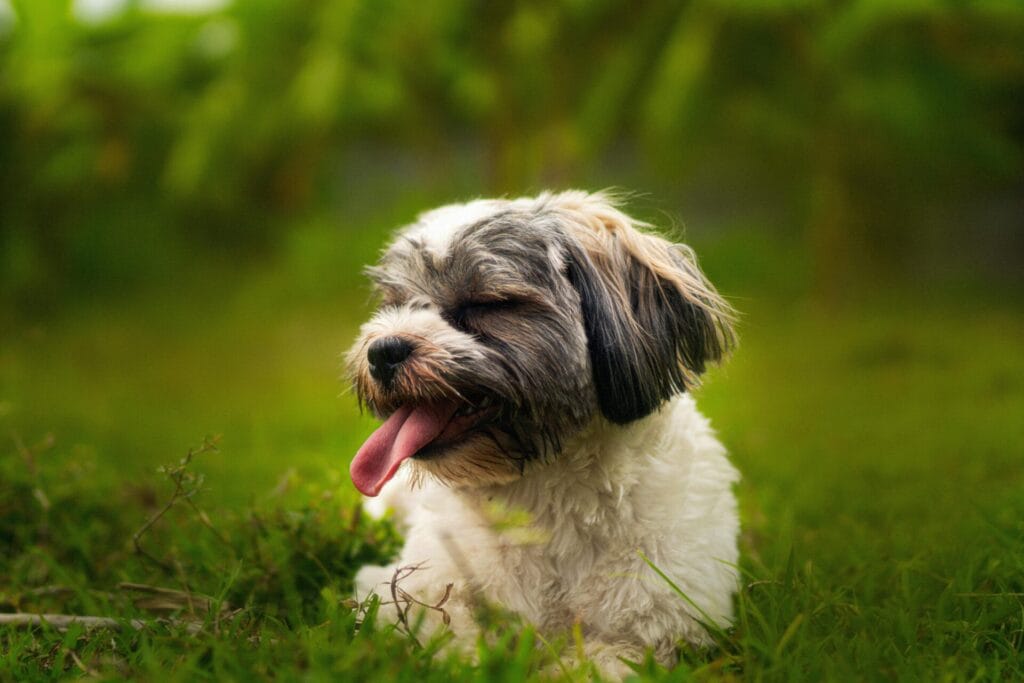
Overview: 2. Shih Tzu: This little pup has won the hearts of Chinese royalty for years. They are sweet, affectionate and make wonderful companions.
Size and Appearance:
- Weight: 9-16 lbs (4.1-7.3 kg)
- Height: 1. This one stands at 8-11 inches (20-28 cm) tall.
- Coat: Your Shih Tzu’s long coat will need to be groomed regularly to keep it clean and tangle-free. Some owners take their dog to a groomer to get their coat done.
Personality:
- Affectionate and Friendly: They are known to be affectionate and friendly and do well with kids and other pets.
- Playful: They’re playful and like short walks but they aren’t as active as some other small breeds.
Care Needs:
- Grooming: 5. Brushing prevents matting. Grooming should be done by a professional to keep their coat in good condition.
- Exercise: Shih Tzus require moderate exercise such as walks and playtime.
Health Considerations:
- Eye Problems: This means they have more prominent eyes than normal. This can make them more prone to dryness or irritation.
- Brachycephalic Issues: Shih Tzus, like French Bulldogs, can have breathing problems because of their flat faces.
Ideal Living Conditions:
- Apartment Living: 2. Shih Tzus – The Shih Tzu is a perfect pet for apartment living. They are great dogs to have indoors.
5. Pug
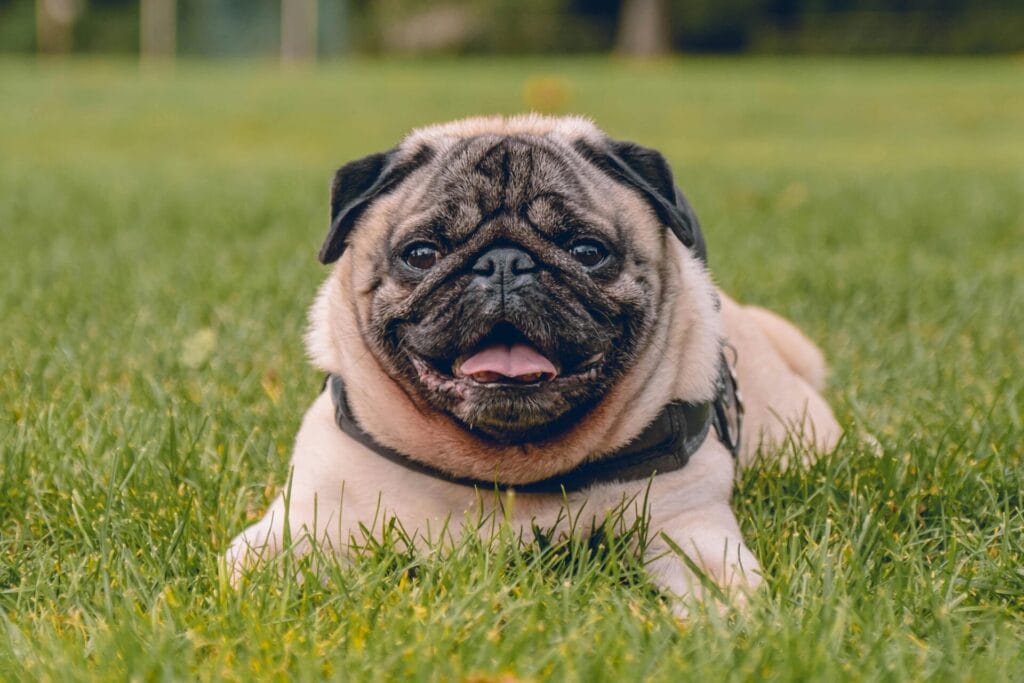
Overview: 3. Pug is a small, wrinkled and playful breed. It originated in China and is usually friendly and adaptable.
Size and Appearance:
- Weight: They weigh 14-18 pounds (6.3-8.2 kg) on average.
- Height: Height: 10-14 inches (25-36 cm)
- Coat: They have a short, smooth coat that is easy to keep clean, but they do shed a little.
Personality:
- Playful and Sociable: Pugs are fun-loving and friendly dogs. They love to be with kids and other pets.
- Affectionate: They are affectionate and love to be close to their family.
Care Needs:
- Exercise: Pugs are moderate exercisers and will need to be walked and played with every day.
- Grooming: 10. The short coat of a Shiba Inu requires little grooming, but they may need their ears cleaned frequently.
Health Considerations:
- Respiratory Issues: They can have breathing problems because of their flat face.
- Eye Problems: They have big eyes, which means they can get dry and injured easily.
Ideal Living Conditions:
- Adaptable: Pugs can live in apartments and houses.
6. Maltese
Overview: This breed is small, elegant, and has a white coat. Maltese are a very calm, peaceful dog. One of the oldest dog breeds, they have been loved by people for a long time. They remain a popular dog today.
Size and Appearance:
- Weight: Weight: 4-7 pounds (1.8-3.2 kg)
- Height: Stands 7-9 inches (18-23 cm) high.
- Coat: Their long, silky coat needs to be brushed daily to avoid tangles and mats. Many owners also take their dog to the groomer on a regular basis.
Personality:
- Gentle and Loving: They are very loving and affectionate and enjoy being around family. They are gentle dogs.
- Playful: They are playful, love to play games and take short walks.
Care Needs:
- Grooming: They require regular brushing and grooming to keep their coat in good condition.
- Exercise: Maltese dogs are not very active. A play and a short walk is enough.
Health Considerations:
- Dental Problems: They have small mouths, so they may have dental issues. That means you’ll have to take them to the dentist often.
- Tear Staining: 1. They’ll get tear stains. So you’ll have to clean it often.
Ideal Living Conditions:
- Apartment Living: Maltese dogs are also great apartment dogs because they are small and adaptable.
7. Yorkshire Terrier
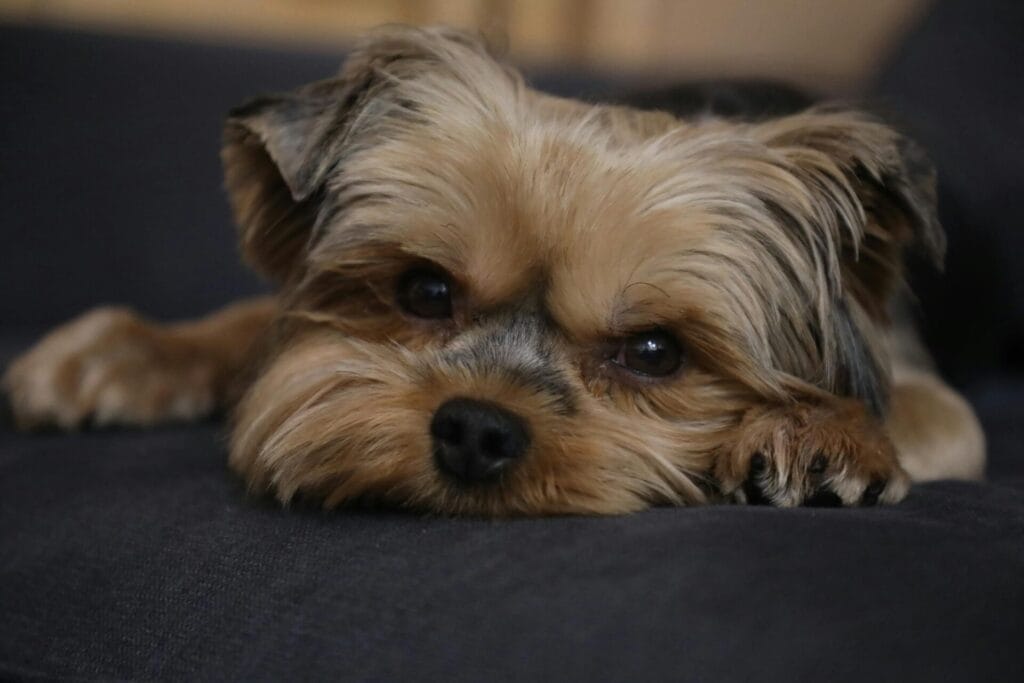
Overview: Yorkshire Terrier (Yorkie) – A small dog with a big beautiful coat. This little fur ball loves to play and loves even more. From England, they are known to be playful.
Size and Appearance:
- Weight: The size of the turkey is up to you, but I suggest a turkey between 4-7 pounds (1.8-3.2 kg).
- Height: Height: 7-8 inches (18-20 cm) tall.
- Coat: Yorkies have long, silky hair that can easily get matted if not groomed.
Personality:
- Energetic and Alert: Yorkies are very alert and playful. They make great watchdogs.
- Affectionate: They are very affectionate and like to be close to their family.
Care Needs:
- Grooming: 5. Brushing and grooming is important for your dog’s coat.
- Exercise: Yorkies need to be walked and played with daily.
Health Considerations:
- Dental Issues: Dental care is necessary because Yorkies are prone to dental issues.
- Hypoglycemia: They have low blood sugar so they need to be fed and looked after.
Ideal Living Conditions:
- Apartment Living: Yorkies are great for apartments and very family oriented.
8. Dachshund
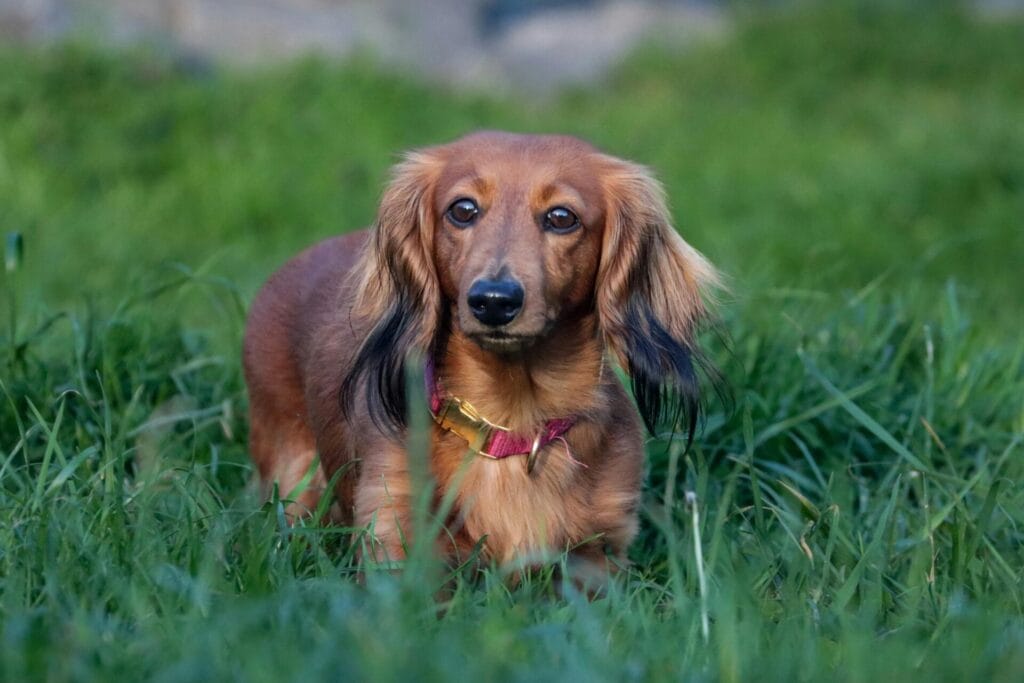
Overview: A dachshund is one of the smallest breeds of dog. They are a small, long-bodied, short-legged dog. They come from Germany and people call them “wieners” because they are long and short.
Size and Appearance:
- Weight: Weighs between 11 and 32 pounds (5 to 14.5 kg), with the smaller varieties weighing 11 to 16 pounds (5 to 7.3 kg).
- Height: Height: 8-9 inches (20-23 cm) tall.
- Coat: There are 3 types of Dachshund coats: smooth, long and wire-haired. Each coat type requires a different amount of grooming.
Personality:
- Energetic and Curious: Dachshunds are very active and curious dogs. They love to play and explore.
- Loyal: They are very loyal to their families and will defend them fiercely.
Care Needs:
- Exercise: They need to walk and play every day.
- Grooming: The type of coat your dog has will determine how often you need to groom your dog. Smooth coats require very little grooming, whereas long and wire-haired coats need to be brushed frequently.
Health Considerations:
- Back Issues: The long body of the Dachshund makes it susceptible to intervertebral disc disease, a spinal condition.
- Obesity: Be careful not to get fat, it can make back problems worse.
Ideal Living Conditions:
- Flexible: Dachshunds are happy living in apartments or houses with yards.
9. Boston Terrier
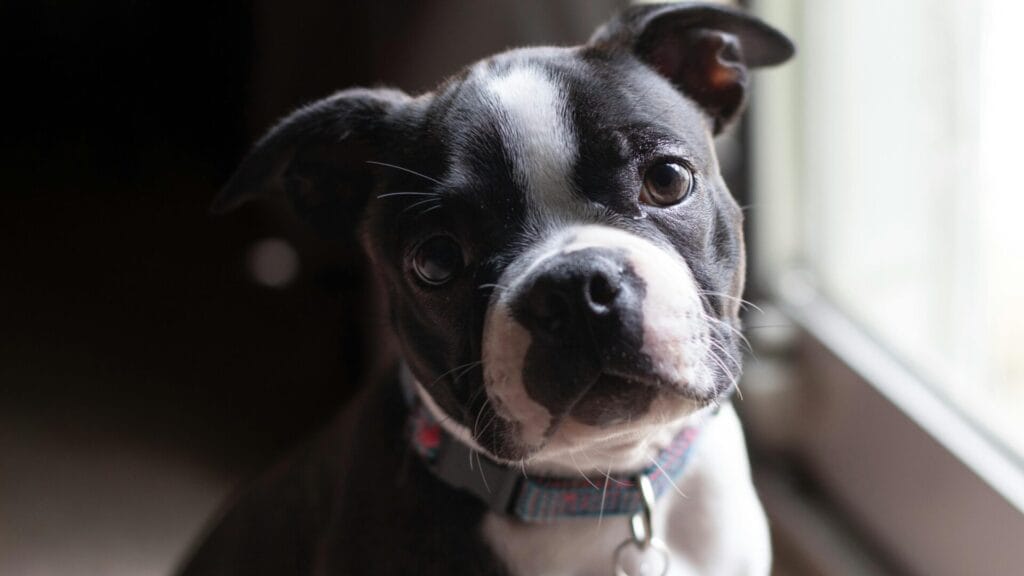
Overview: They are also called American Gentlemen because they look like a tuxedo and they are adorable. They are a small breed from the US and they are very sweet and cute.
Size and Appearance:
- Weight: 2. Weight: 12-25 pounds (5.4-11.3 kg)
- Height: He’s around 15-17 inches (38-43 cm) tall.
- Coat: They have short, smooth coats that are easy to groom and shed very little.
Personality:
- Friendly and Sociable: Boston Terriers are friendly and sociable. They are great with kids and other pets.
- Playful: They’re fun to be around and love to play, but they don’t need to be exercised all the time.
Care Needs:
- Exercise: They need moderate exercise, like a daily walk and playtime.
- Grooming: They have a short coat which requires little grooming but their ears need cleaning regularly.
Health Considerations:
- Respiratory Issues: They are brachycephalic and can have breathing problems.
- Eye Problems: They’re easily dried out and have big eyes that can get hurt.
Ideal Living Conditions:
- Adaptable: Boston Terriers are adaptable and can live in an apartment or a house.
10. Havanese
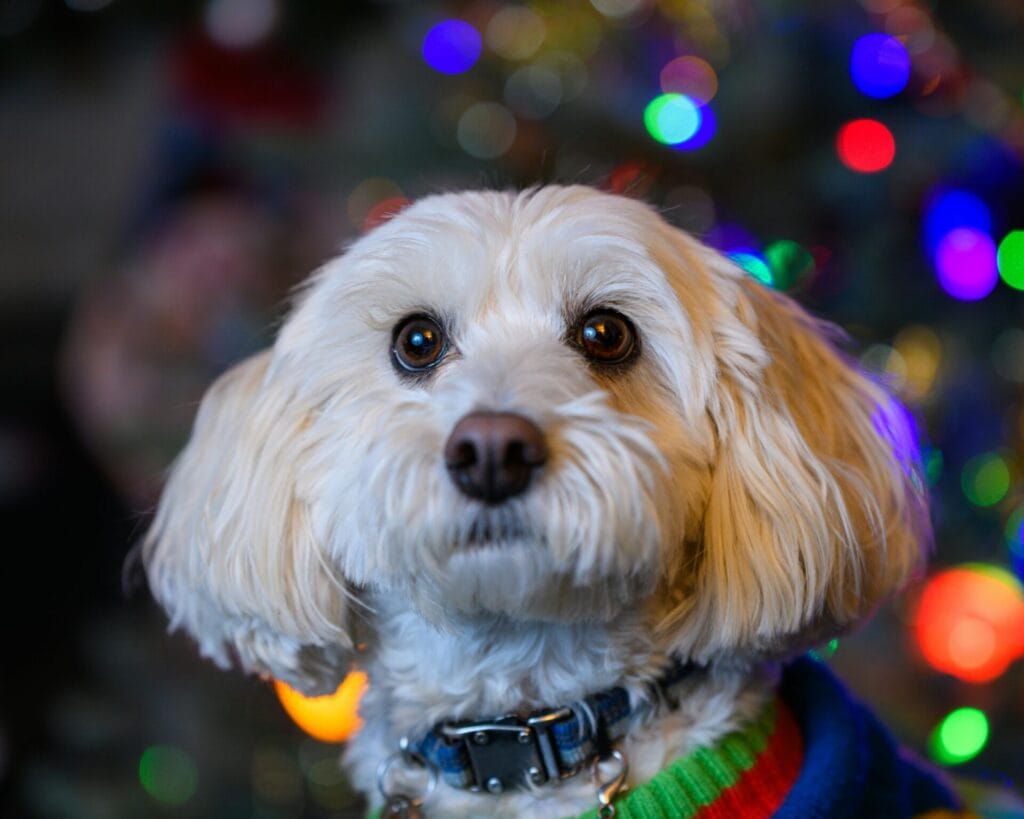
Overview: 3. Havanese. This small dog with a silky coat and happy-go-lucky personality is from Cuba. They are known as friendly and social dogs that make great friends.
Size and Appearance:
- Weight: The Miniature Pinscher is a medium-sized dog, weighing between 7 to 13 pounds (3.2 to 5.9 kg).
- Height: How tall is the average dog? The average dog stands at around 8.5 to 11.5 inches (22 to 29 cm) tall.
- Coat: 1. The Bichon Frise is a breed that needs regular grooming to prevent matting and tangles in their long, silky coat.
Personality:
- Cheerful and Playful: Havanese: The Havanese is a happy-go-lucky dog that loves being part of the family. They are great with kids and other pets.
- Affectionate: They are very loving and they love spending time with their owners.
Care Needs:
- Grooming: Regular brushing and grooming is a must to keep the coat looking good.
- Exercise: Havanese dogs require a moderate amount of exercise, such as daily play and short walks.
Health Considerations:
- Dental Health: Havanese are known to have dental problems so it is important to keep up with regular dental care.
- Ear Infections: 2. Their long ears are prone to infections so they need to be cleaned.
Ideal Living Conditions:
- Apartment Living: Havanese are perfect for apartment living and they love being part of a family who will shower them with love.
How to Choose the Right Small Dog Breed for You
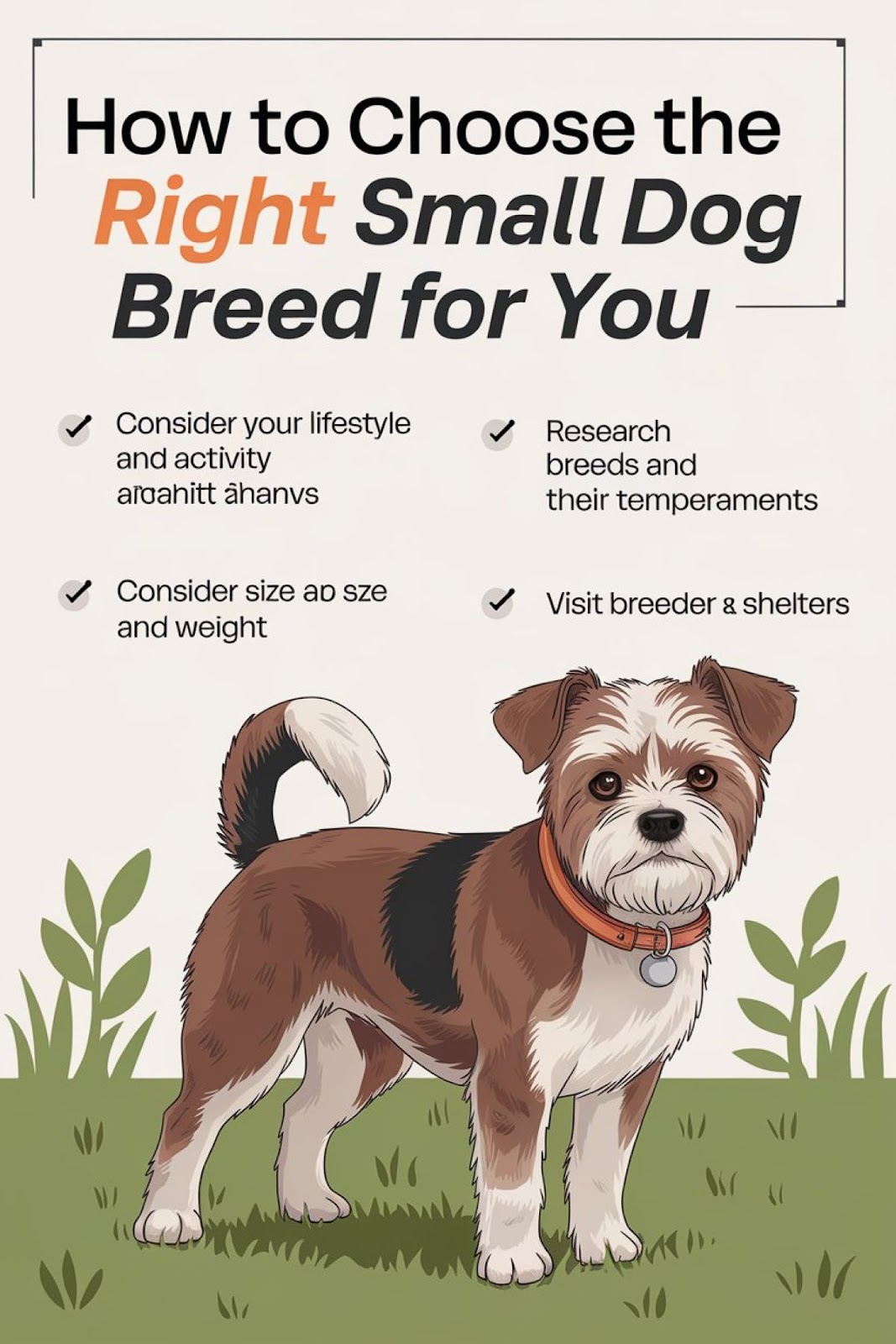
Choosing the right small dog breed is a bit difficult. You don’t want to pick a breed that doesn’t fit you or your lifestyle. Don’t worry. We’ve made it easy for you to pick the right small dog breed.
Assessing Your Lifestyle
1. Activity Level
- High Activity: If you love the outdoors and nature, you might want a Pomeranian or a Yorkshire Terrier. They both have a lot of energy and love to play.
- Low Activity: If you’re more laid back or live in a smaller space, breeds like the French Bulldog or Shih Tzu might be good choices because they require less exercise.
2. Living Space
- Apartment Living: Chihuahua, French Bulldog, and Havanese are three breeds that make great apartment dogs because they are small and easy to live with indoors.
- House with Yard: If you have a larger living space with a yard, the Dachshund and Boston Terrier are two breeds that will love to play and run around in the extra space.
3. Time for Grooming
- Low Grooming: If you don’t want to spend a lot of time grooming, a French Bulldog or Boston Terrier, both with short coats, could be the breed for you.
- High Grooming: If you don’t mind spending time grooming, the Maltese and Shih Tzu are breeds with long hair that need to be brushed regularly and groomed professionally.
Considering Health Needs
1. Common Health Issues
- Brachycephalic Breeds: Dogs with flat faces like French Bulldogs, Pugs, and Shih Tzus have trouble breathing in hot temperatures. Watch them closely.
- Dental Care: Small breeds like Chihuahua and Maltese are more prone to dental issues and will need regular dental check-ups and cleanings.
2. Exercise Requirements
- High Energy: Pomeranians and Yorkies are breeds that need to play and exercise to stay happy.
- Moderate Energy: Other breeds like Shih Tzu or Boston Terrier are low-energy dogs and they’ll be happy with a daily walk and playtime.
Matching Temperament to Your Needs
1. Family Compatibility
- Good with Children: These are some of the most affectionate breeds that are great for families. Shih Tzu, Havanese and Boston Terrier are some of the breeds that are loved for their sweetness.
- Good with Other Pets: If you have other pets, most Maltese and Havanese will be just fine with other animals.
2. Training and Socialization
- Easier to Train: Yorkies and Pomeranians are pretty easy to train but can be a bit stubborn.
- Socialization Needs: Some breeds may need a bit more socializing to feel comfortable around other people and animals. For example, a Chihuahua might need more socializing.
Financial Considerations
1. Initial Costs
- Adoption Fees: It depends on the breed and where you get them from. If you get them from a shelter it will cost less than if you get them from a breeder.
- Purchase Price: How much will it cost you? The price of a purebred dog from a breeder will depend on the breed. For example, a Maltese or Yorkshire Terrier will be more expensive.
2. Ongoing Expenses
- Healthcare: You will need to budget for regular vet visits (vaccinations, dental, breed specific issues)
- Grooming Costs: If your breed requires a lot of grooming, it will cost more to maintain. Are you going to groom the dog yourself, or pay someone else?
Lifestyle Compatibility Checklist
To help you make a decision, consider the following checklist:
- Activity Level: Is the breed as active as you?
- Living Space: Does the living situation meet the needs of the breed in terms of space and exercise?
- Grooming Needs: Are you prepared for the grooming needs of the breed?
- Health Considerations: Do you know what health issues to watch for with your specific breed?
- Family Dynamics: Will the breed be a good fit for your family, including children and other pets?
- Financial Readiness: Are you ready to pay the upfront and ongoing costs of owning the breed?
Training and Socializing Your Small Dog
You have to train and socialize your small dog so that he grows up to be a happy, confident and well-behaved dog. Here’s how to train and socialize your small dog.
Basic Training Tips
1. Start Early
- Puppy Training: Train your dog ASAP. Puppies are easier to train, so it’s easier to instill good habits when they’re young.
- Consistency: Get into a routine and use the same commands. The more you do it, the more your dog will learn.
2. Use Positive Reinforcement
- Reward System: 2. Treats, praise, and playtime can all be used as rewards for good behavior. If your dog is well behaved, he is more likely to repeat the behavior.
- Avoid Punishment: Instead of punishing mistakes, reward good behavior. Fear can inhibit learning.
3. Short Training Sessions
- Keep Sessions Brief: Smaller dogs have a short attention span, so keep training sessions short and fun (5-10 minutes).
- Frequent Practice: Practice makes perfect. Train your dog several times a day for short sessions.
4. Basic Commands
- Sit: A simple command that will keep your dog in line. Use a treat to get your dog to sit and reward them right away.
- Stay: Teach your dog to stay in one spot until released. Start with short times and work your way up.
- Come: This is a very important command for recall and safety. Reward your dog with treats and praise when they come to you.
Socializing Your Small Dog
1. Early Socialization
- Exposure to Different Environments: Take your puppy to parks, busy streets and all kinds of people. The more your puppy is exposed to different situations, the more comfortable they will be.
- Meeting Other Dogs: Schedule playdates with other dogs so your puppy can learn the ropes and become comfortable with other dogs.
2. Positive Experiences
- Gradual Exposure: Ease your dog into it. Start with something less scary and work your way up.
- Reward Good Behavior: Reward your dog for being calm and friendly during these socialization experiences. This will reinforce positive interactions and build confidence.
3. Managing Fear and Anxiety
- Comfort and Reassurance: If your dog is scared or nervous, comfort them. Don’t push them into situations that scare them.
- Professional Help: If your dog is still scared or aggressive, it’s time to call in the experts. A dog trainer or behaviorist can help you.
4. Socialization for Older Dogs
- Patience Required: It’s not impossible to socialize an older dog, but it’s much harder. Be patient and gradually introduce them to new situations with positive reinforcement.
Advanced Training Techniques
1. Clicker Training
- Precision Training: Clicker training is another method that involves using a clicker to mark the exact moment your dog does what you want. It can be very effective for precise training.
- Training Steps: Clicker Training: Teach your dog to associate the sound of the clicker with a treat. Click when your dog does something you like.
2. Trick Training
- Fun and Engagement: Training your dog to do tricks is a great way to bond with your pet and keep their mind active. Start with simple tricks like “shake hands” or “roll over” and work your way up to more challenging ones.
- Positive Reinforcement: Reward your dog with treats and praise when he learns a trick and performs it. Keep training sessions short and fun.
Dealing with Behavioral Issues
1. Barking
- Identify Triggers: What is it that’s making your dog bark so much? Is it because it’s bored, scared or trying to get your attention?
- Redirect Attention: Distract your dog with something else so that they have something else to focus on other than barking.
2. Separation Anxiety
- Gradual Absences: 4. Teach your dog to be alone by gradually leaving him/her alone.
- Provide Comfort: Toys, comfort items, or puzzle feeders can help keep your dog busy and calm while you’re gone.
3. Leash Training
- Loose Leash Walking: Teach your dog to walk on a leash without pulling by rewarding her for walking by your side.
- Consistency: Training and positive reinforcement will help your dog learn to walk calmly on a leash.

Hi, I’m Ali Tarek, co-founder of Animalsman. I’ve always been passionate about pets, especially dogs and cats, and I created this website to share practical tips, easy recipes, and helpful care advice for fellow pet lovers. My goal is to make pet care simple, enjoyable, and accessible for everyone. When I’m not writing or curating content, you’ll usually find me spending time with my furry friends or learning new ways to keep them happy and healthy.