You’ve been wanting a big dog for months. You had a Golden Retriever who followed you everywhere when you were a kid, or you thought the big, calm Great Dane was cool at the dog park. But something is holding you back. Conflicting advice on the Internet. One forum says Labs are perfect family dogs. Another warns they’re destructive chewers. You’ve read that German Shepherds are aggressive, then you’ve read that they’re gentle with kids. You’re confused.
Really? No breed stereotypes? The crazy Boxer next door isn’t every Boxer. The calm Rottie at the vet’s office was well-trained. Every big breed has a baseline temperament, but your dog’s personality is a result of genetics, training, socialization, and exercise. Pick a breed whose natural drives fit your lifestyle, get training and you’ll get the dog you’ve been dreaming of.
Here is the list of the 12 best big dog breeds by temperament, exercise, grooming, health, and family. You’ll be glad you read this article by the end. Best Family Dog Breeds.
Is a Big Dog Right for Your Life?
4. Have you checked these 4 things before you fall in love with a breed photo? Space is not as important as you think. A Great Dane in a small apartment with daily walks is better than a bored Lab in a big house with no exercise. Best Dog Backyard Ideas
Time commitment:60-120 minutes a day + training sessions. Can you walk them in the mornings and evenings? Budget reality: Food alone runs $100-$150/month for large breeds. Add vet bills, grooming, joint supplements, and emergency savings. Big dogs cost more — period. Mess tolerance: Shedding, drool, muddy paws, and dog hair on every surface. If you’re a neat freak, consider a small breed. Training dedication: A 90-pound dog who jumps on guests or pulls on leash isn’t manageable. Big breeds need consistent training starting day one.
4. If you answered YES to all four questions, then you’re fine. If you couldn’t even say YES to one of them, then get a smaller breed or wait until you can afford them.
What “Big Dog” Actually Means
5. Big Dogs (50 to 100 lbs, 22 to 28 in. high) and Giant Dogs (Great Danes, Mastiffs, Newfoundlands, over 100 lbs and can be 32 in. high) – but size does not equal energy. A 130-pound Mastiff sleeps more than a 70-pound Boxer.
If you have a large breed you’re stuck with a big, growing puppy for 18-24 months. He’s growing too fast and his joints will suffer. Homemade Dog Food for Large Dogs. Nutrition is not optional, it’s required.
Get started now. That 15 pound puppy on the leash pulling is a drag. A 75 pound teenager doing the same is a hazard. Every big dog needs limits, socialization and rewards.
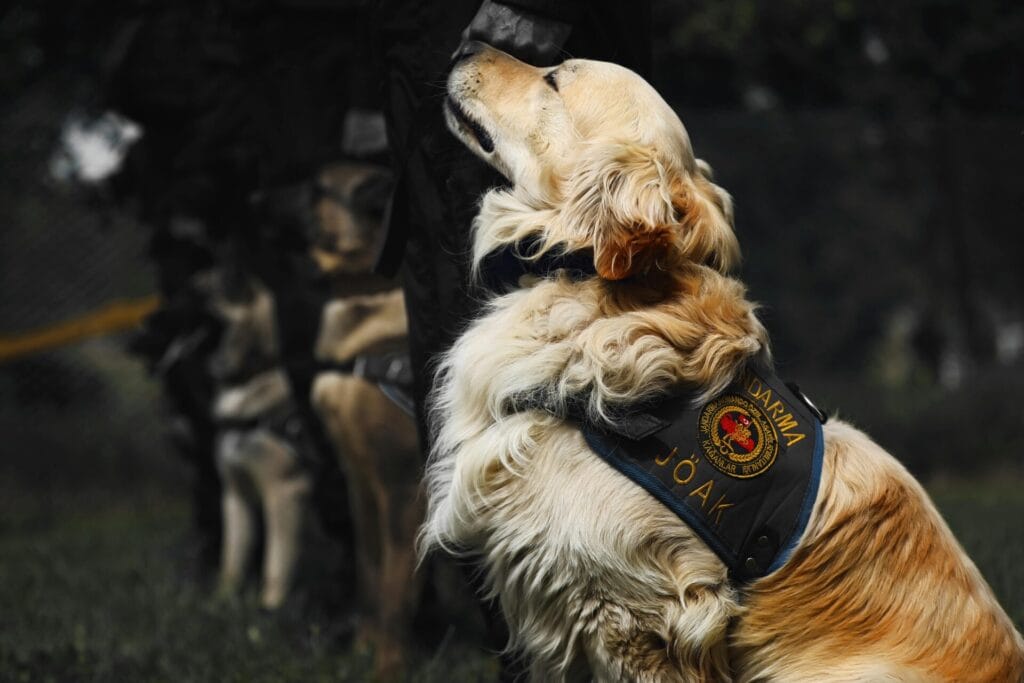
#1: Golden Retriever – The People-Loving Shadow
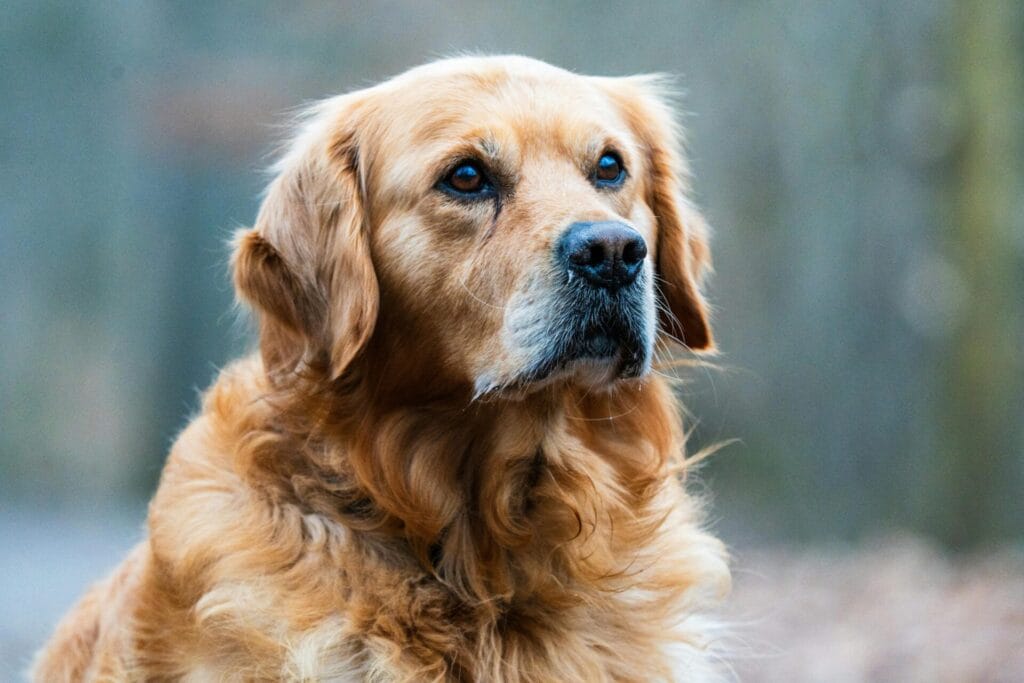
They love everyone. They love you. They love me. They love that kid down the street with the ice cream cone. They want to make you happy so badly that training a Golden Retriever is almost second nature to a first time big dog owner. They are so tightly bonded to their families that you’ll find them on the couch with you while watching a movie or at your side in the kitchen while you’re cooking dinner.
Best for:Dogs are great for families with kids, first-time dog owners looking for a friendly and outgoing dog, and outdoor enthusiasts.
Temperament:Sweet, patient, and tolerant of mess. Goldens aren’t the best guard dogs, but they are the best snuggle buddies.
Exercise needs:1 hour/day. Walks, fetch, swimming, hikes. They’ll destroy your house if they’re not tired. A tired Golden is a happy Golden.
Grooming:Moderate to heavy shedding all year long. Brush 2-3 times per week, daily during shedding season. Hair on everything.
Training:I run for food motivation and to make her proud. Start them young and you’ll have a pro.
Health concerns:Hip and Elbow Dysplasia and some cancers. Regular vet check-ups and joint supplements. Best dog food for Golden Retrievers.
Lifespan: 10–12 years.
#2: Labrador Retriever – The Energizer Bunny
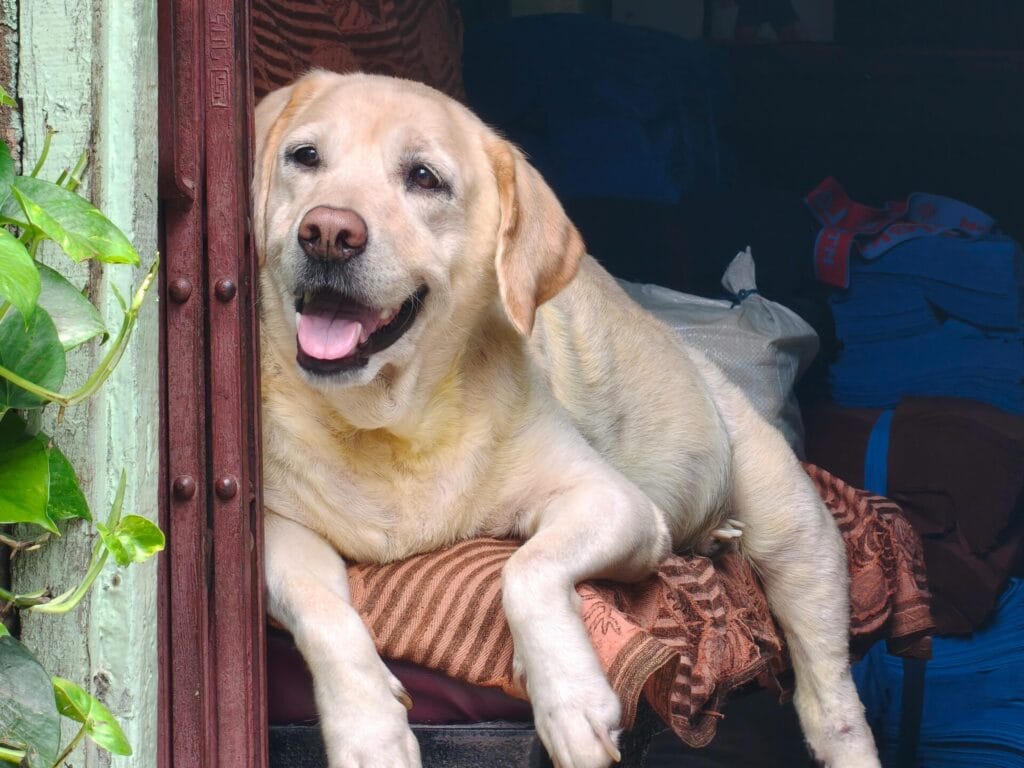
They’re food obsessed, goofy and hyper-playful for the first 5 years. They’re the ultimate family dog if you’re as energetic as they are. They love everyone and everything: kids, other dogs, the squirrel in your backyard they’ll never catch. They’re happiest when they’re moving, whether it’s fetching a ball for the 47th time or going on a hike with you.
Best for:If you’re active, a runner, a hiker or just love the outdoors this is a great place to browse.
Temperament:Friendly, outgoing, loyal. Labs don’t know a stranger and think everyone wants to be their friend.
Exercise needs:1 hour per day. Labs need to get out and get some exercise. Long walks, runs, fetch, swimming, etc. Without it they will destroy your furniture, dig up your yard or make their own entertainment.
Grooming:Shed twice a year and brush lightly the rest. Brush weekly to keep shedding under control.
Training:This breed is easy to train and motivated by food, so he’ll be more than happy to do as you ask. Make sure you train him when he’s young to keep his enthusiasm in check.
Health concerns:3. Hip and elbow dysplasia, obesity (Labs will eat anything) and certain eye conditions.
Lifespan: 10–12 years.
#3: German Shepherd – The Intelligent Protector
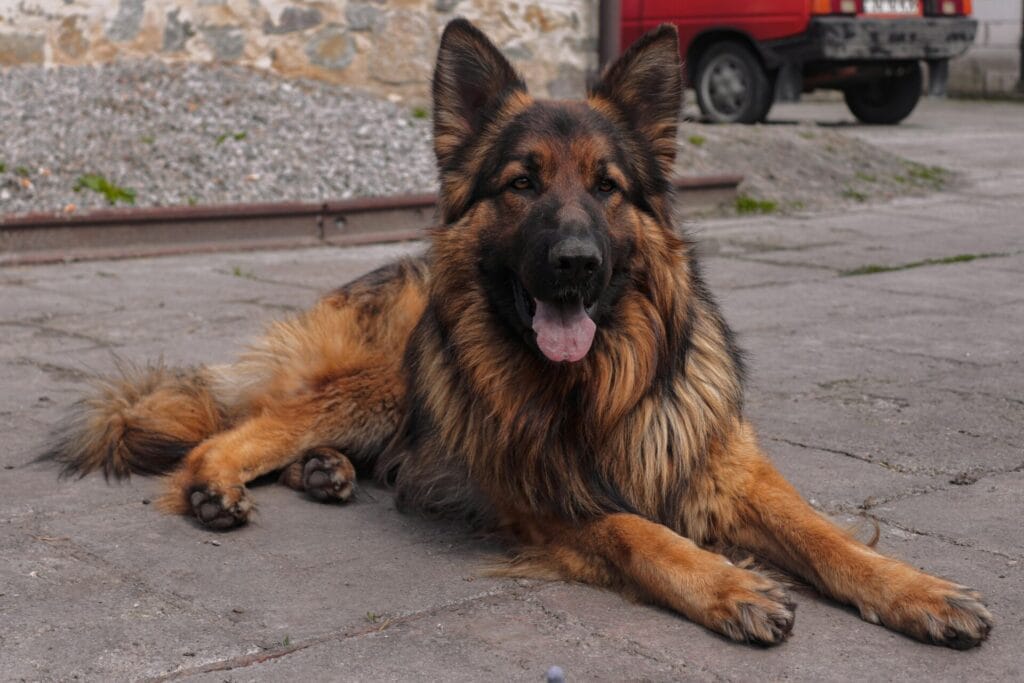
5. Border Collie – Smart, loyal and intense. They love their family and will guard you. They are great protection dogs if you know how to handle them. They do best with a job (obedience, agility, just go everywhere you go). Dog Training Commands.
Best for:3. Dog owners who want a dog that is protective and loyal.
Temperament:She’s a strong, fearless girl. Aloof to strangers, but her mom’s girl.
Exercise needs:90-120 minutes. Walks, runs, training and mental puzzles. A bored German Shepherd is a nervous or destructive German Shepherd.
Grooming:Heavy shedder all year round, especially in the spring and fall. Daily brushing during shedding season.
Training:Smart and trainable, but you need to someone to lead them. If you don’t, they will become too defensive and reactive.
Health concerns:Hip and Elbow Dysplasia, Degenerative Myelopathy, Bloat. Best Dog Food for German Shepherds.
Lifespan: 9–13 years.
#4: Bernese Mountain Dog – The Gentle Fluffball
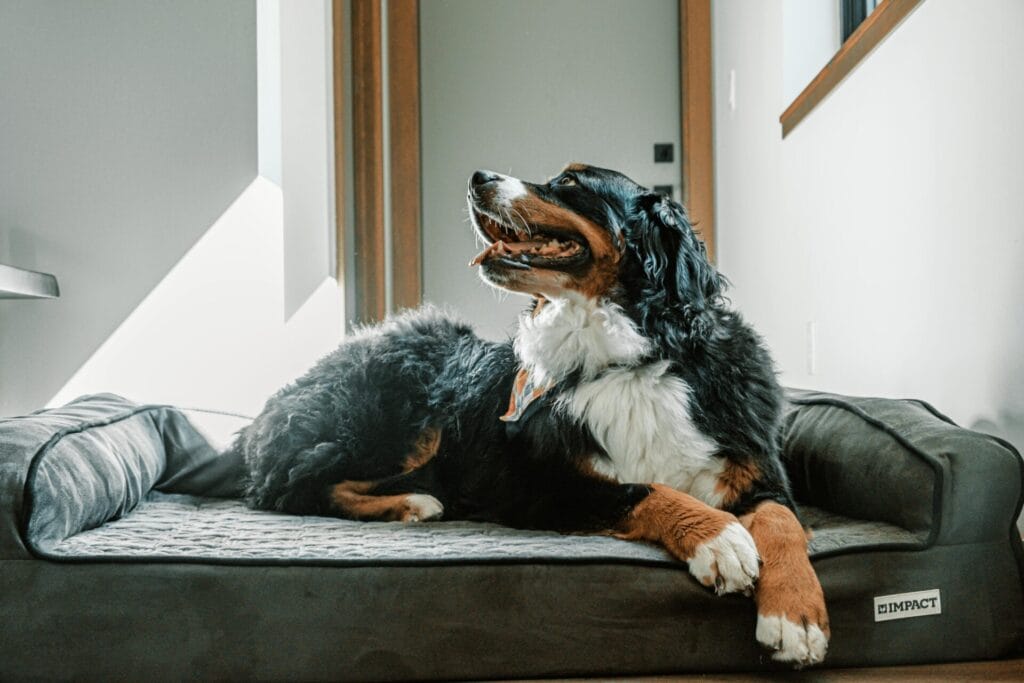
8. They’re calm, cuddly and slow-paced. They’re not built for long runs, but they’re great for a leisurely walk followed by an afternoon nap on the couch next to you. Berners are also very gentle with kids, do well with chaos and are incredibly loyal. They love being around you, whether it’s lying at your feet while you work or following you from room to room.
Best for:For people who’d rather cuddle than run, people in colder climates, and first-time dog owners seeking an easy-going breed.
Temperament:Sweet, easy-going, loving. That’s why Berners are called “gentle giants.”
Exercise needs:30-60 minutes per day. Some walking and a little play. They get hot so don’t overdo it on hot days.
Grooming:Constant shedding. Brush 2-3 times a week, every day during shedding season. They have a thick coat and require a lot of attention.
Training:Aggressive. Eager to please. Fast learner. Not good at taking criticism. Sensitive.
Health concerns:They have a short life span (7-10 years) because of genetic problems like hip dysplasia, elbow dysplasia and some cancers. Best Homemade Dog Food for Senior Dogs.
Lifespan: 7–10 years.
#5: Great Dane – The Giant Couch Potato
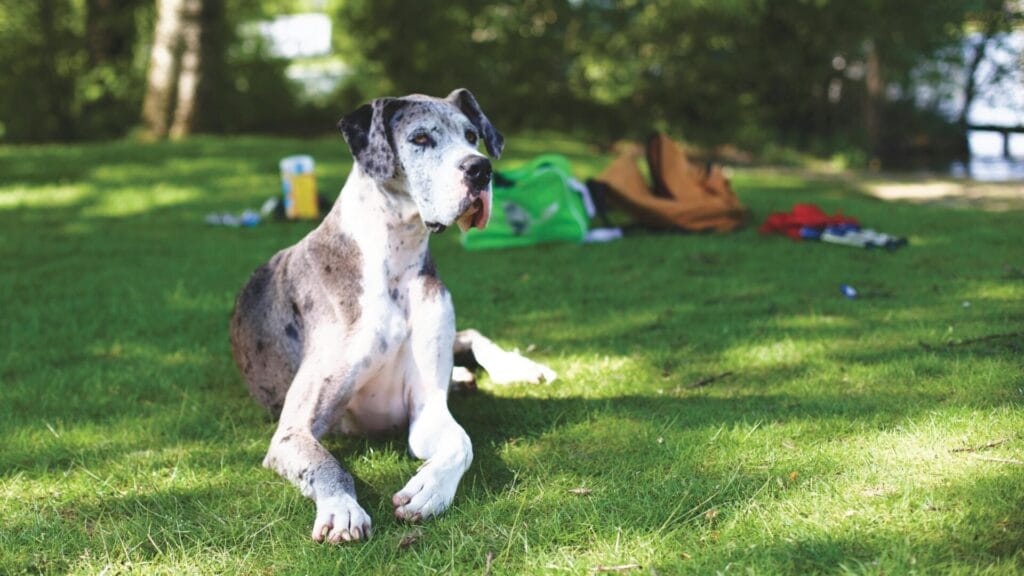
Great Danes are surprisingly low-key for big dogs. They’re 140 pounds tall, but they’re low-energy dogs who love to lounge and lean on you. They’re calm, friendly, and surprisingly good for apartment living if you walk them each day. Great Danes think they’re lap dogs, so you’ll have a 140 pound dog sitting on you.
Best for:Big dogs that don’t need much exercise. People who will walk their dog every day and families with older kids. Best Dog Breeds for First-Time Owners.
Temperament:Mild, friendly, patient. Great Danes are often referred to as gentle giants and aren’t known for being aggressive.
Exercise needs:30-60 minutes a day. A walk is fine. Don’t make them run or jump yet as they can hurt their joints.
Grooming: Minimal shedding. Weekly brushing is sufficient.
Training:They are smart and trainable but because they are so big, early obedience training is essential. If your Great Dane doesn’t know its place, it’s uncontrollable.
Health concerns:1. Bloat, hip dysplasia, heart problems, shortened lifespan compared to smaller breeds. Homemade Dog Food for Great Danes.
Lifespan: 7–10 years.
#6: Newfoundland – The Sweet Water Dog
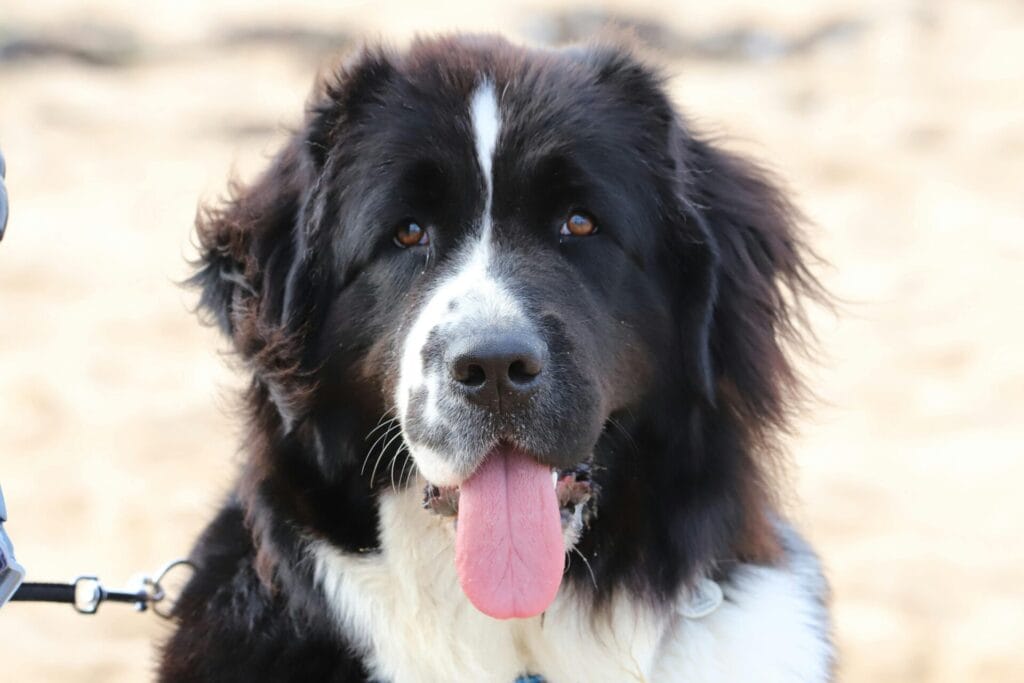
They’re so patient and sweet, they’re protective of kids, great swimmers, and just a calm, gentle dog. They love the cold, they love water, and they love their family (swimming in the lake or lounging at home).
Best for:2. Families with young kids, people who live in colder climates and those who can deal with drool and grooming.
Temperament:7. Soft, patient and protective. These dogs are also known as “nanny dogs” because of their gentle nature with children.
Exercise needs:30-60 minutes a day. Swimming is good. Not high energy dogs but they do need some regular moderate exercise.
Grooming:Shedder. A big drooler. Brush 2-3 times a week. Have a towel ready for the drool.
Training:Patient and teachable but they will take some time to teach. Patience will pay off. Keep at it.
Health concerns:Hip dysplasia, heart problems, bloat. You’ll be spending a lot of time at the vet’s office.
Lifespan: 9–10 years.
#7: Rottweiler – The Loyal Guardian
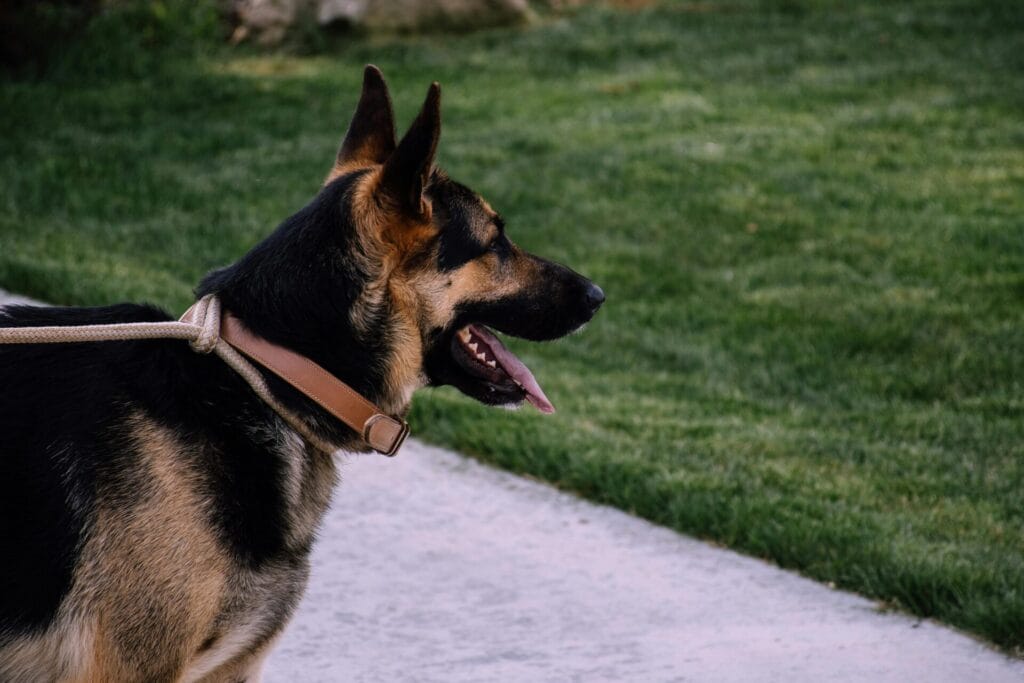
Rottweilers are confident, loyal, and protective if socialized well. But they need a confident owner who can let them know from the start that boundaries need to be set. With the right leader, a Rottweiler can be a calm, obedient friend who takes his family protector role very seriously (but not aggressively).
Best for:1. People who have had dogs in the past. 2. People who want a guard dog. 3. People who are very active and want to put the time into training.
Temperament:Rottweilers are confident, fearless, and loyal. They are aloof with strangers but loving with their family.
Exercise needs:60-90 minutes a day. Walks, obedience, mental stimulation. They need to feel useful.
Grooming: Moderate shedding. Brush weekly.
Training:Smart and hardworking. Needs a good leader. Can be too headstrong if not guided. Service Dog Training.
Health concerns:Hip dysplasia, heart problems, and some cancers. Best Dog Food for Rottweilers.
Lifespan: 8–10 years.
#8: Boxer – The Goofy Athlete
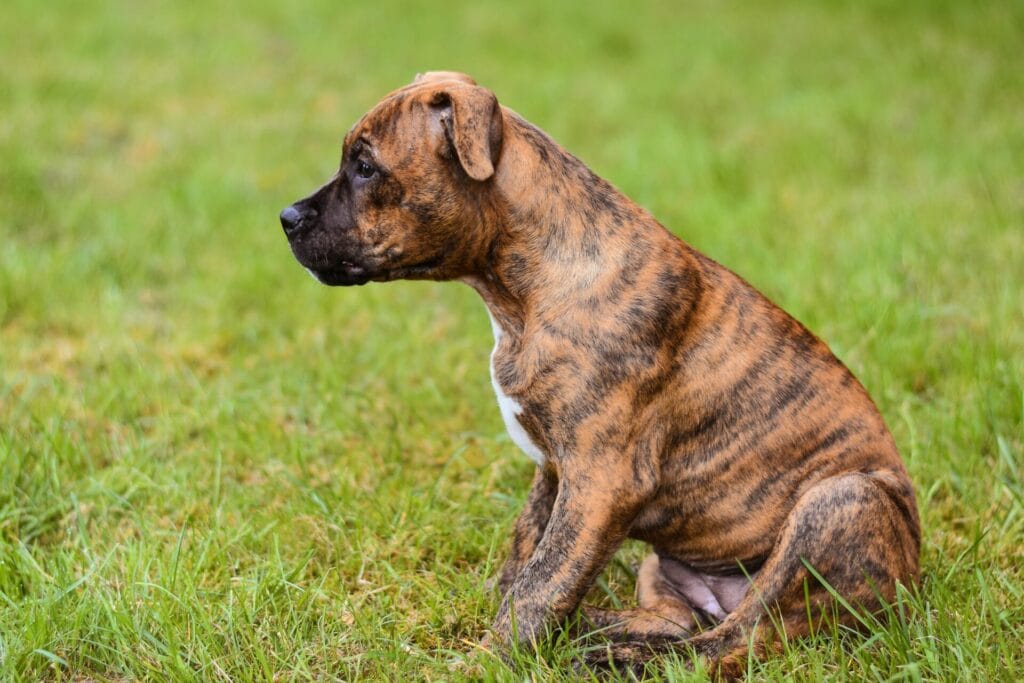
Boxers are bouncy, playful, never-endingly entertaining, and they never grow out of their puppy energy. They are perfect for active families who want a dog with a big personality. They are affectionate, loyal, great with kids, but their enthusiasm can knock over little ones. They are happiest when they are on the move.
Best for:I think they are the type of people who like to be active and families with kids who want to play with a dog (not too young).
Temperament:They are really fun and lively dogs. If you want a dog for the rest of your life, get a Boxer!
Exercise needs:60-90 minutes/day. Runs, fetch, agility. They’ll destroy your house if you don’t.
Grooming: Minimal shedding. Weekly brushing is sufficient. Moderate drool.
Training:Smart but stubborn. Reward the good and be firm. Train them early to curb their enthusiasm.
Health concerns: Heart issues, hip dysplasia, certain cancers.
Lifespan: 10–12 years.
#9: Doberman Pinscher – The Sleek Athlete
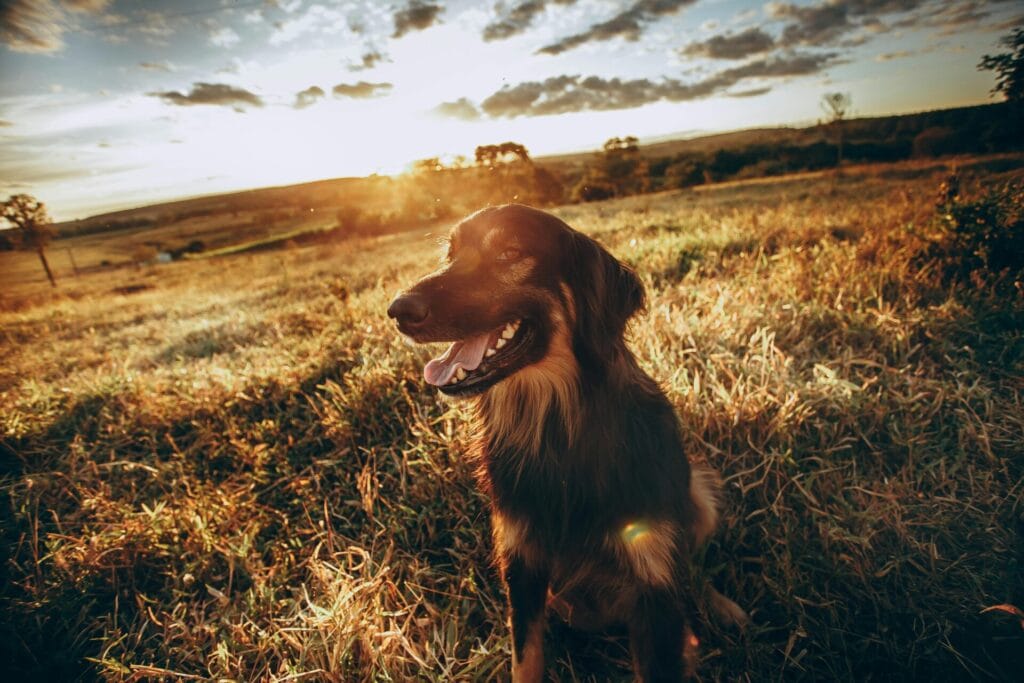
They are sleek, athletic, and very loyal. They form a deep bond with their family and do well with a routine. They are protective but not aggressive if properly trained. They thrive with an owner who loves to train and gives their dog a job to do.
Best for:They’re great for people who have had dogs before, busy people who like to train, and people who want a guard dog but not a mean one.
Temperament:Alert, loyal, fearless. Dobermans are loving to their families and wary of strangers.
Exercise needs:1 hour daily. Walks (very tiring), jogging (when you grow up), agility, obedience.
Grooming:Shedding: Very little to none, as their short coat requires only weekly brushing.
Training:They are very smart and very trainable, but they are also very high maintenance. You have to keep them sharp and motivated.
Health concerns:3. Heart problems, hip dysplasia, von Willebrand’s disease Homemade Dog Food for Dobermans.
Lifespan: 10–13 years.
#10: Mastiff – The Calm Giant
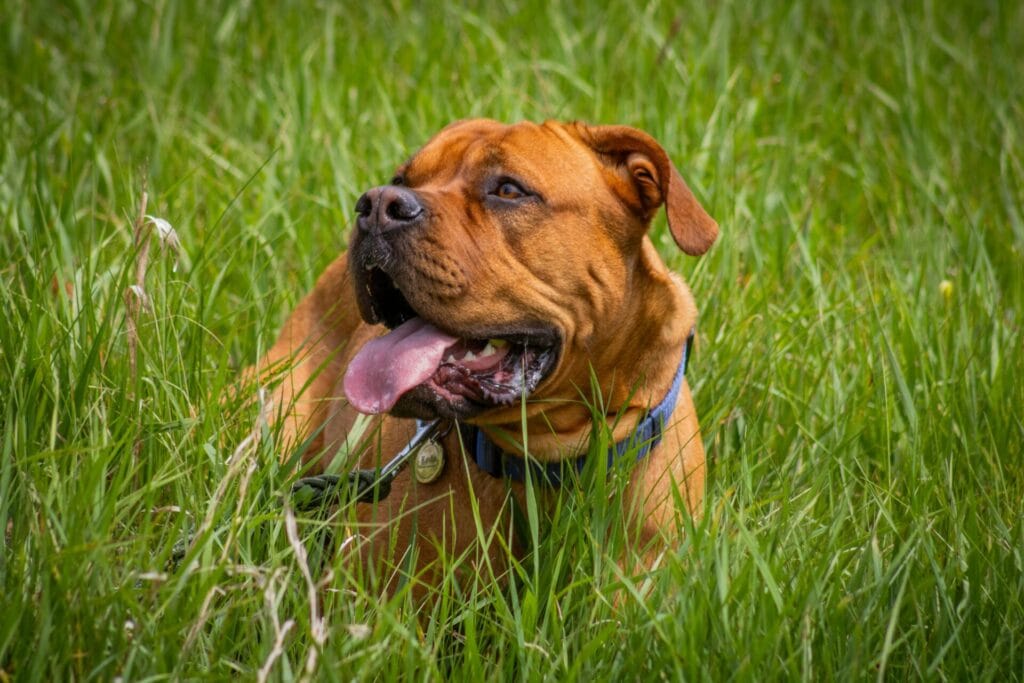
2. They’re calm, dignified and loyal. They’re not for long hikes. They’d rather be napping. Even at 150 lbs + they’re sweet and loving. They’re protective, not aggressive. They’ll stand between you and a stranger but they won’t attack.
Best for:2. Chill households. People who want a big dog, but with less energy. Experienced owners.
Temperament:Calm, gentle, loyal. Mastiffs are known to be very calm and steady dogs.
Exercise needs:30-60 minutes per day. Short, easy walks. Don’t wear out their joints.
Grooming: Moderate shedding. Weekly brushing. Heavy drool—keep towels handy.
Training:Smart but mule-headed. Start them young while they’re little.
Health concerns:Hip dysplasia, bloat, heart issues, short life expectancy because of size.
Lifespan: 6–10 years.
#11: Irish Wolfhound – The Gentle Giant
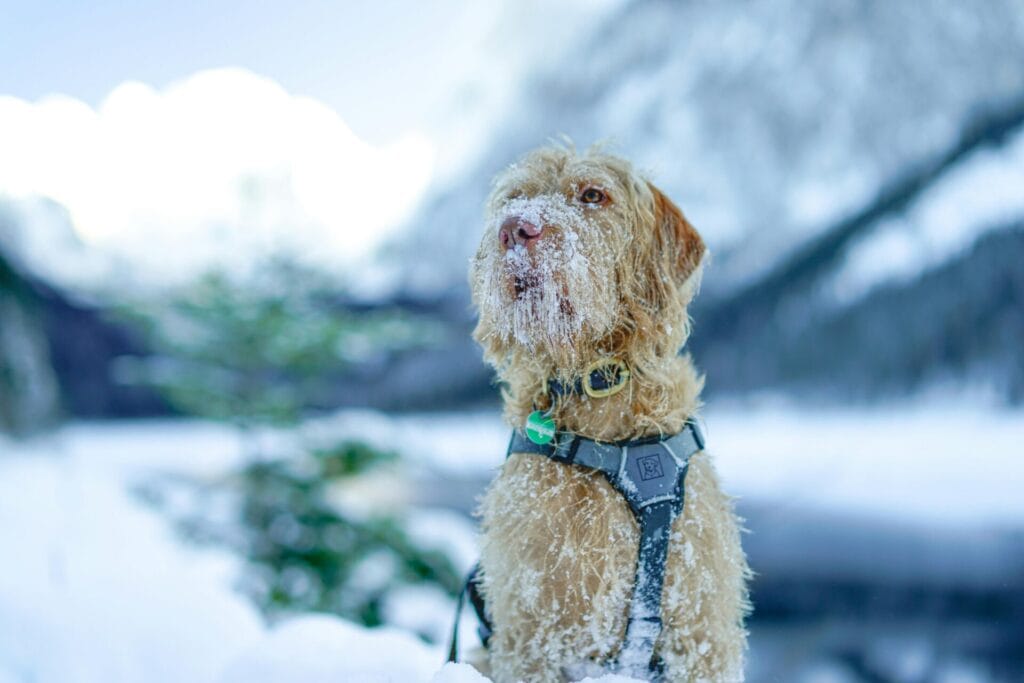
10. Irish Wolfhound – They are quiet, gentle and surprisingly sensitive for their size. They are dignified dogs who love their family and want peace and quiet. They are couch potatoes at home, but great hunters. They get along with kids and other pets if socialized properly.
Best for:Homebodies, people who love a majestic yet gentle dog, seasoned dog owners.
Temperament:4. Mild, dignified, loyal: That’s what wolfhounds are. They’re also called sweet and kind.
Exercise needs:30-60 minutes a day. Some walks and play but don’t overdo it.
Grooming:Some cutting. Brush every week. They need a little hair cut.
Training:They’re sweet and friendly, and they like to be praised and trained. They’re also very sensitive dogs, and they don’t like to be harshly corrected.
Health concerns:Heart problems, bloat, hip dysplasia. Shorter life span because of their size.
Lifespan: 6–8 years.
#12: Standard Poodle – The Smart Athlete
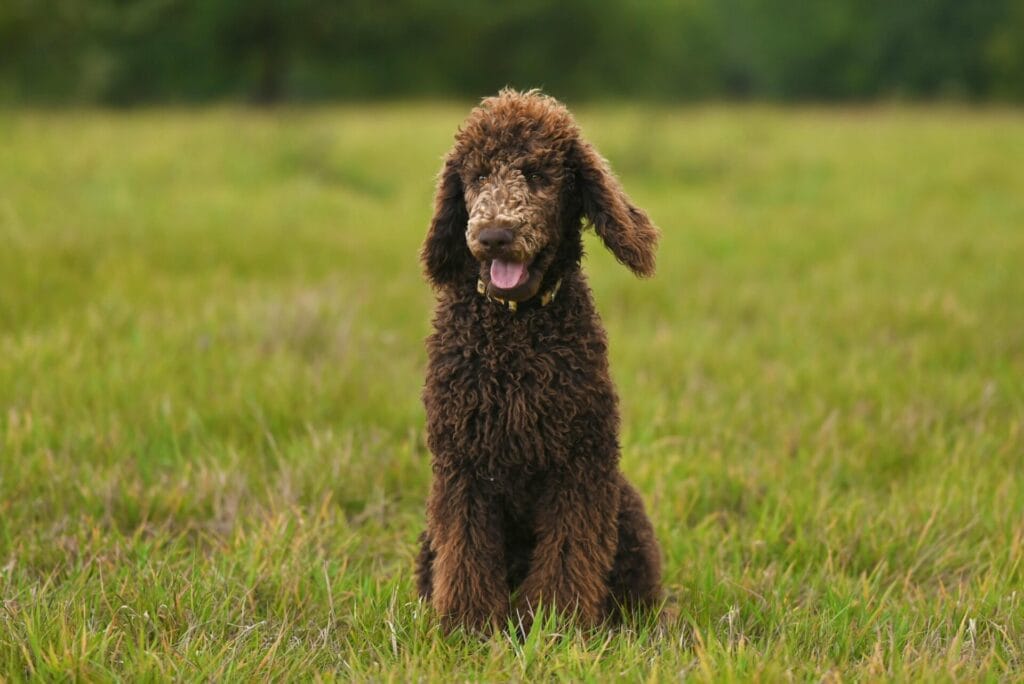
Poodles are also very intelligent, athletic and trainable. Don’t believe all the hype that they’re snobby dogs – they’re very active dogs that love to run, swim and keep their minds busy. They have a hypoallergenic coat, so they’re great for allergy sufferers. Poodles love their families and love attention and training.
Best for:Those of us who are active, allergic, and like to work out and tease.
Temperament:Intelligent, athletic, and affectionate. Poodles are people pleasers.
Exercise needs:1 hour: Walks, runs, swimming, agility, obedience work. They need physical and mental stimulation.
Grooming:They do not shed, but require professional grooming every 6-8 weeks. Brush every day to help prevent matting.
Training:They are very smart and trainable and they are loyal and can compete in dog sports. Dog Training Tips.
Health concerns: Hip dysplasia, bloat, certain eye conditions.
Lifespan: 12–15 years.
Matching Breed to Lifestyle
1. How do you actually do this?
Best for apartments:Lab, Golden Retriever, Newfoundland, Basset Hound, Beagle, English Springer Spaniel – high energy dogs that need lots of space and a lot of exercise. Great Dane, Standard Poodle, Mastiff – low energy dogs that do well in smaller spaces with daily walks.
Best for active lifestyles:These dogs are like workaholics who never take a day off. German Shepherd, Boxer, Labrador Retriever, Doberman …
Best for families with young kids: Golden Retriever, Labrador Retriever, Bernese Mountain Dog, Newfoundland. Patience, gentleness and forgiveness are important traits in a family dog.
Best for minimal shedding:Standard Poodle, Doberman Pinscher—Less fur, more time loving your dog.
For you first-timers, big-dog owners: Golden Retriever, Bernese Mountain Dog, Great Dane – sweet, gentle, easier to train.
1. Top three must-haves: energy, shedding, protective, trainability. Match them up with the breeds above. Best Dog Breeds for First-Time Owners.
You want the perfect dog. Not more space, not more time. A dog whose natural drives fit your life, and one you’re willing to train, exercise, and love.
Your next steps:3. Narrow your breeds down to 2-3. Look at what they eat. Look up their health issues. Go to a breed club or rescue and see the breed in person.
Pin it so you can find it later. Which gentle giant is your favorite?

Hi, I’m Ali Tarek, co-founder of Animalsman. I’ve always been passionate about pets, especially dogs and cats, and I created this website to share practical tips, easy recipes, and helpful care advice for fellow pet lovers. My goal is to make pet care simple, enjoyable, and accessible for everyone. When I’m not writing or curating content, you’ll usually find me spending time with my furry friends or learning new ways to keep them happy and healthy.