
Deciding on your first dog can be an exhilarating, but also a very scary time. Not only do you have to consider the happiness of the dog, but you also have to consider the next 10-15 years of your life. You need a breed that will allow you to make beginner mistakes and adapt with your lifestyle. The dog should also not require a lot of expert level training skills from the get go. Some dogs are natural born easy going and extremely eager to please, while others need an experienced handler, to curb stubbornness or high energy levels.
Key Takeaways
- Labrador and Golden Retrievers are highly trainable, adaptable, and family-friendly, making them ideal first-time owner choices.
- Consider temperament and energy levels; calm, medium-energy dogs that need 60 minutes of exercise suit most beginners best.
- Smaller hypoallergenic breeds like Poodles and Bichon Frises are smart, apartment-friendly, and easier to manage for novices.
- Avoid high-energy breeds like Huskies and protective breeds like Akitas that require experienced handling and a lot of time.
- Mixed-breed rescue dogs allow you to assess their personality before adoption and usually cost less than purebred puppies.
What First-Time Owners Should Look For
When you decide to buy your first dog, you need to think of three things that will make your experience as a dog owner either better or worse.
First consider temperament and energy level. A high-strung Border Collie requires two or more hours of daily exercise, while a mellow Basset Hound may be content with a 30 minute walk.
You will also need to consider size requirements, shedding levels, grooming needs and how much living space you can offer, as well as your time schedule for training sessions and daily care.
Temperament and Energy Level Basics
Before you fall in love with those puppy-dog eyes at the shelter, there are two factors to keep in mind that will make or break your first-time-ownership experience. They are temperament and energy level. These two traits will dictate whether you will spend peaceful evenings with your new furry friend or chaotic hours.
| Energy Level | Daily Exercise Needs | Best For |
| Low | 30 minutes | Apartment dwellers, seniors, quiet households |
| Medium | 60 minutes | Active families, suburban homes, consistent schedules |
| High | 120+ minutes | Outdoor enthusiasts, large yards, athletic owners |
A calm and patient disposition is preferred, rather than one that is irritable or stubborn. It is not desirable to have a dog that will take umbrage at a mistake and nurse a grievance or one that will not enjoy the society of human beings, especially if the pet is expected to associate with children or the aged.
Size, Shedding, and Living Space
A dog’s temperament and energy requirements are extremely important, but they’re only part of the equation.
Before choosing your first dog, it’s important to think about your living situation and any lifestyle restrictions.
Consider these practical factors that’ll impact your daily routine:
- Size matters for space – A Great Dane needs more room than a Cavalier King Charles Spaniel, and apartment living can be a problem for larger breeds.
- Shedding levels vary widely – Some dogs, like Poodles, are hypoallergenic, while Golden Retrievers leave fur everywhere, requiring daily vacuuming and grooming.
- Your home’s layout counts – Stairs, yard access, and available floor space all influence which breeds will thrive comfortably. Understanding the best dry dog food options can help you meet your new pet’s dietary needs from the start.
Make sure you can accommodate your dog’s needs for the environment he or she has to live in.
Training Difficulty and Time Commitment
But because your training is your dog’s only interaction with you during the critical first few months, choosing a dog that’s eager to learn makes training that much more enjoyable.
The dogs that will do best in this situation will be dogs with high trainability scores. These generally range from an 8-10 on the breed assessment scale. Golden Retrievers, Labrador Retrievers, and Poodles are often touted as the most enthusiastic to please and thus, the quickest to understand commands. They respond well to positive reinforcement and are usually mastered basic obedience in 4-6 weeks of consistent practice. You’ll want a dog that enjoys working with you as much as you enjoy having him.
Avoid dog breeds that have a reputation for being stubborn or independent in nature. These dogs will likely require more experienced handling techniques and can be a challenging job that might take hundreds more hours to train properly. In addition, avoid breeds considered to be the top dogs that are sometimes recommended for a first-time dog owner, as they are likely to possess a friendly and adaptable nature.
Labrador Retriever
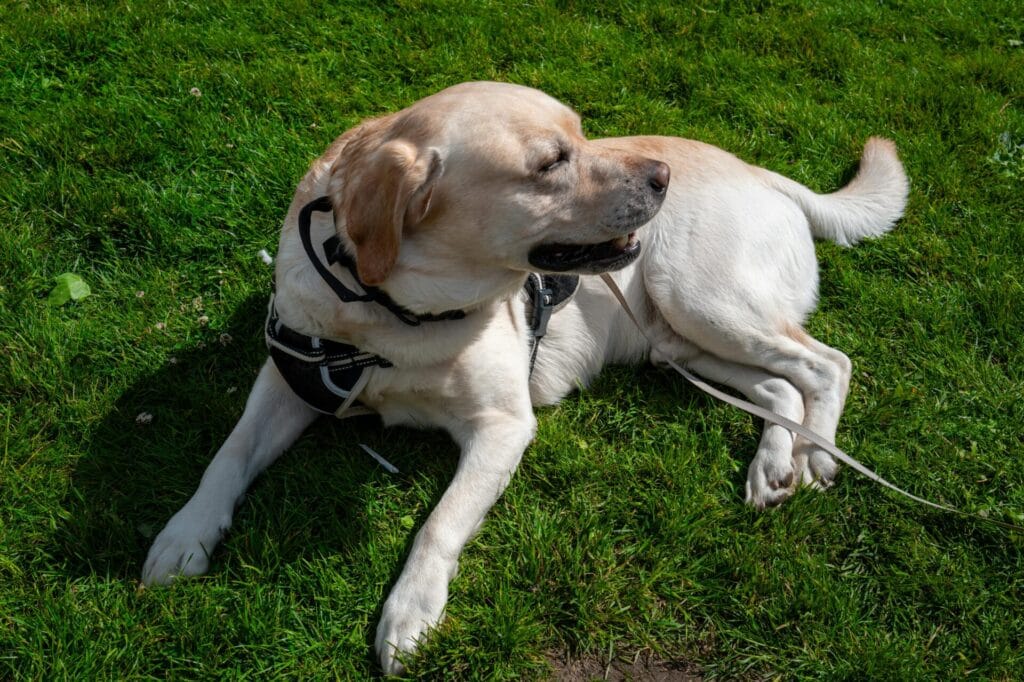
The Labrador Retriever is one of the most popular dog breeds in America, and for good reason. This friendly, outgoing breed is an excellent choice for a first-time dog owner.
Labs are a very trainable, steady temperament and adaptable breed making them a great choice for first time dog owners.
Labs are enthusiastic to please, and very patient with children. They’re also naturally gentle with your family and guests.
Labs excel in three essential areas for beginners:
- Trainability: Their intelligence and food motivation make basic obedience training straightforward, even for inexperienced handlers.
- Temperament: Labs have consistent, stable personalities without aggressive tendencies or excessive shyness.
- Versatility: They adapt well to various living situations, from active outdoor adventures to calm indoor companionship.
Another thing you can do to make your dog’s life as enjoyable as possible is to give your dog daily exercise, usually 60-90 minutes worth. Also, be sure that your dog is trained using positive reinforcement.
Golden Retriever
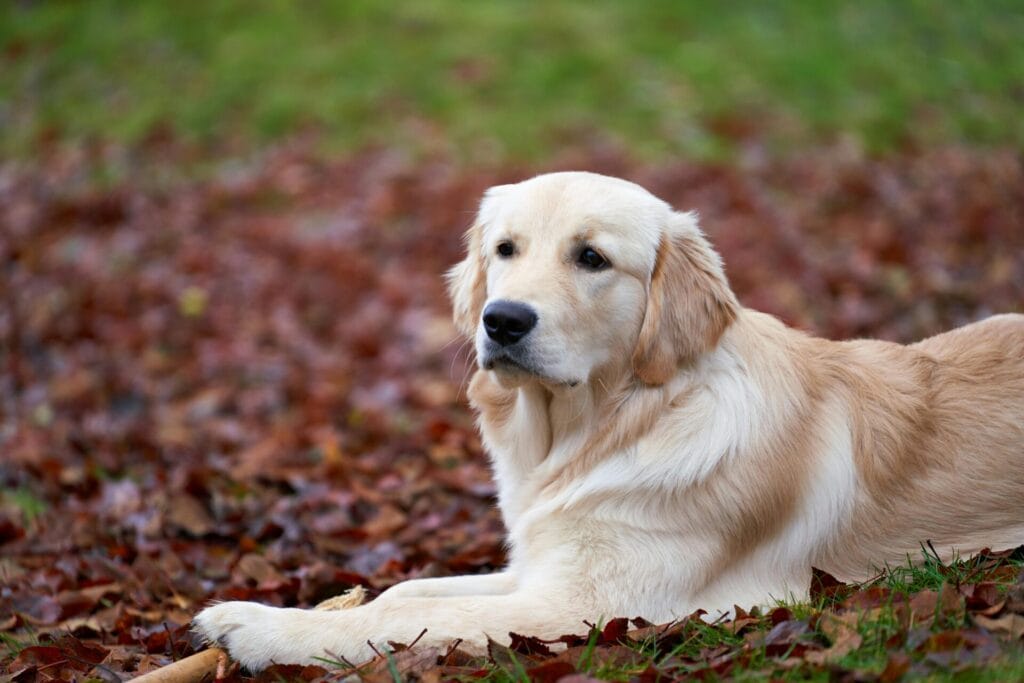
If Labs are all boundless energy and enthusiasm, Goldens have a softer edge, a more intuitive approach to the first-time dog owner. They are also very patient, forgiving of your mistakes as you learn, and happy to please you. Their gentle nature makes them especially good for households that are focused on nurturing others — children, elderly family members, or community service.
| Characteristic | Golden Retriever Details |
| Weight Range | 55-75 pounds, moderately sized |
| Exercise Needs | 60 minutes daily, moderate intensity |
| Grooming | Weekly brushing required, heavy shedding |
| Trainability | Highly responsive, intuitive learners |
| Lifespan | 10-12 years average |
They will be more inclined to therapy work, or service work, as their compassionate nature pulls them into helping you in a less dominant way.
Cavalier King Charles Spaniel
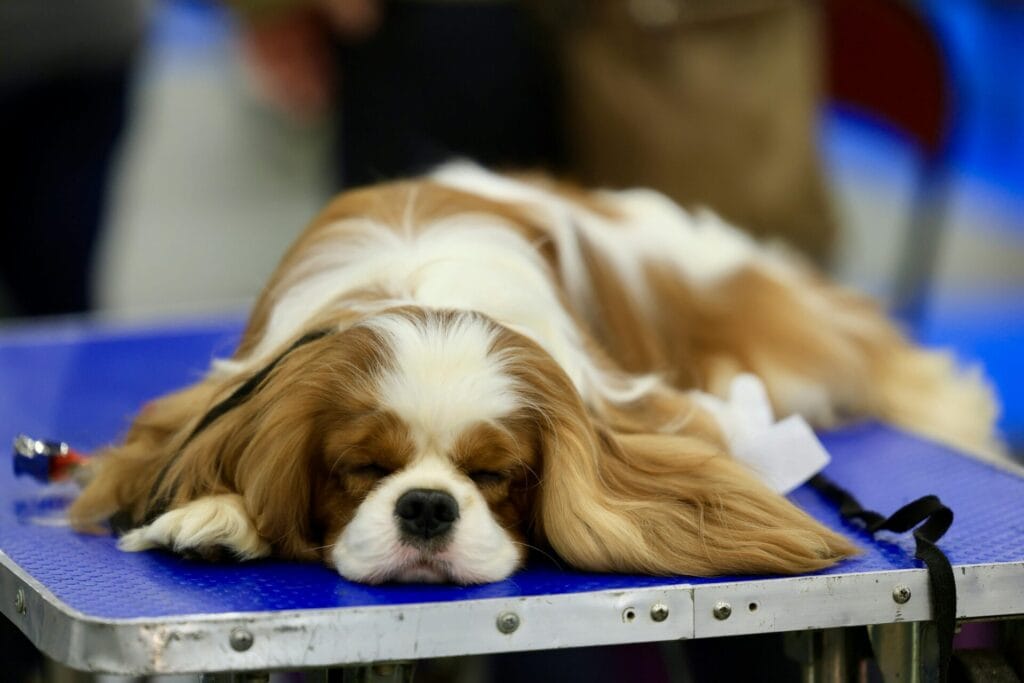
Puppies not too small, but still eager to please, and with personalities to please, find the Cavalier King Charles Spaniel just right for the apartment dweller or the busy schedule.
These gentle 13-18 pound dogs make good therapy dogs, since they’re naturally empathetic and comfort nursing homes and hospitals.
Why Cavaliers suit service-minded owners:
- Adaptable energy levels – They’re equally happy cuddling on your lap or joining a neighborhood walk, making them perfect for varying activity schedules.
- Minimal training challenges – Their willingness to please means basic obedience comes naturally, freeing up time for community involvement.
- Social butterflies – They thrive around people of all ages, from children to seniors, supporting your desire to include your dog in service activities.
Their silky coats require weekly brushing, though.
Poodle (Miniature and Standard)
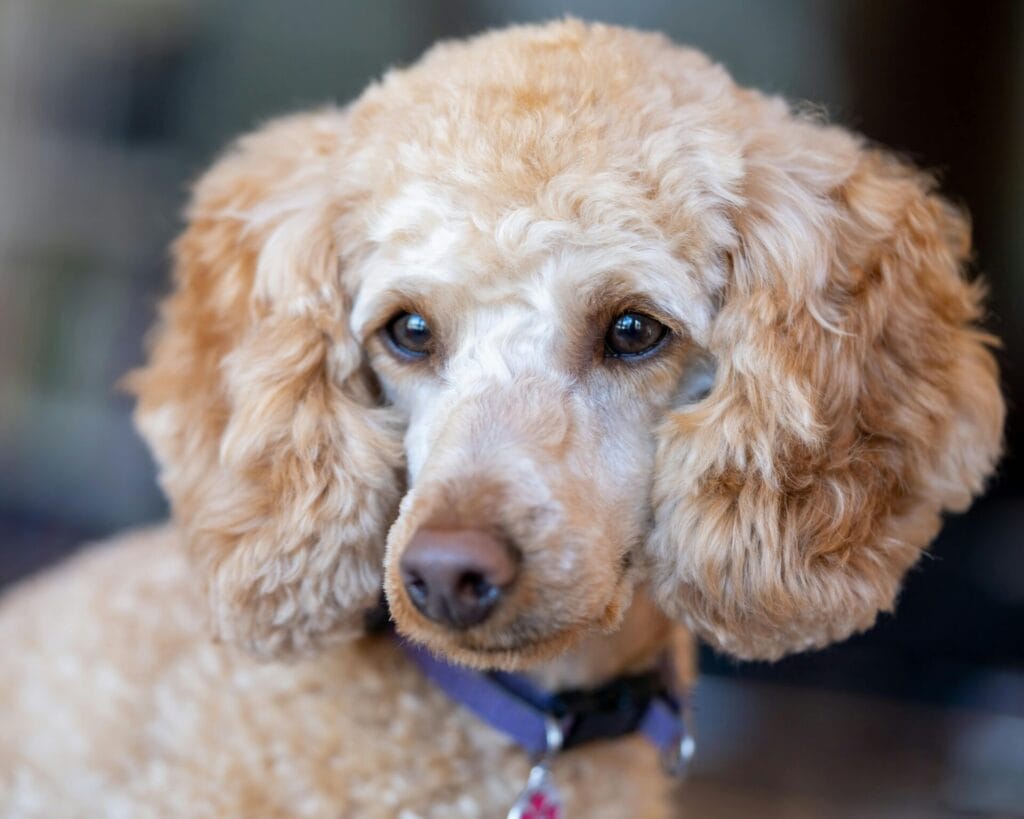
Although known as fancy show dogs with elaborate haircuts, Poodles are quite intelligent and versatile and make excellent pets for first-time dog owners because of their trainability.
Both the Miniature and Standard Poodles are quick learners. They usually learn a new command after 5 repetitions.
They are a hypoallergenic breed with little to no dander and virtually no shedding. They require grooming every 6-8 weeks to prevent matting.
These loving dogs love human companionship and enjoy helping with tasks like fetching and providing emotional support.
Their adaptability means that they are just as happy in apartments as they are in houses with a yard. Homemade dog food can help boost their overall health and energy levels so that they will remain active and playful.
Bichon Frise
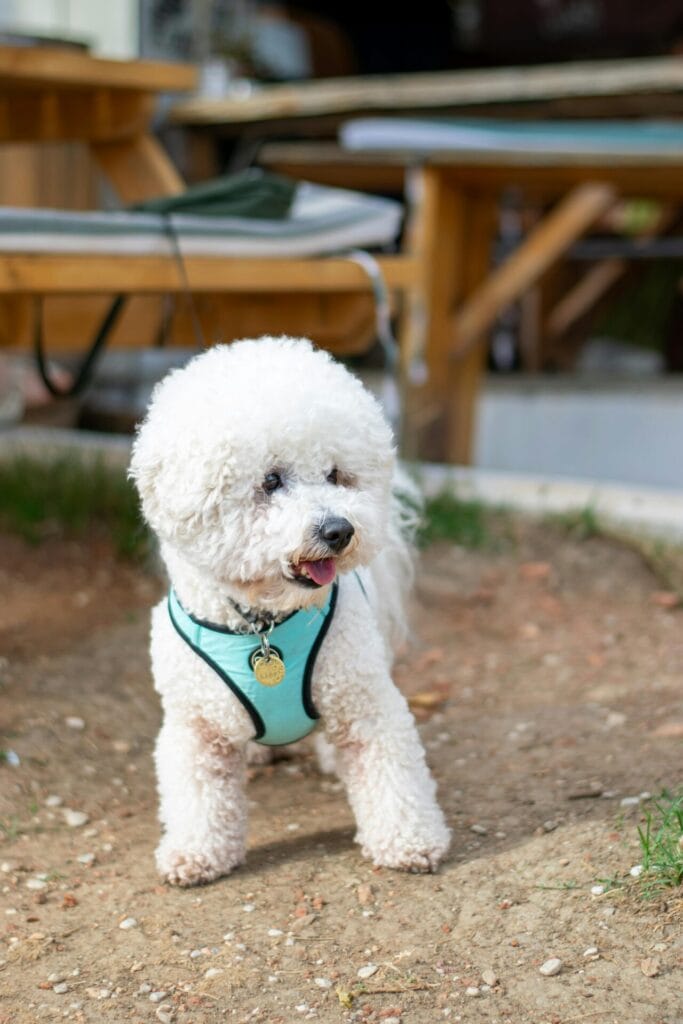
The Bichon Frise’s powder-puff look and cheerful personality make it one of the most delightful of companions for a first-time dog owner, particularly if you are looking for a smaller, less intimidating breed that will be enthusiastic to please.
They are quite small, weighing anywhere from 12 to 18 pounds so they wont take up too much space. They are also very adaptable, living in apartments is perfect for them.
Its hypoallergenic coat sheds very little but needs to be groomed every 4-6 weeks.
Key considerations for your Bichon:
- Separation anxiety susceptibility – They form strong bonds and struggle when left alone for a long time
- Daily exercise needs – 30 minutes of activity keeps them healthy and prevents destructive behaviors
- Positive reinforcement training – Their sensitive nature responds best to gentle, reward-based methods
Shih Tzu

Originally bred as the treasured companions of Chinese royalty, the Shih Tzu has perfected the art of being a lovable lap dog over the centuries, and he’ll bring his regal charm to your first time Shih Tzu owner experience.
Incredibly affectionate dogs weighing in at 9-16 pounds these dogs are the perfect size for apartments or small homes. You will also appreciate their friendly nature with children and other pets if you are caring for more than one person in your family.
Their long, flowing coat requires daily brushing and a trip to the groomers every 6-8 weeks. Many owners keep them in a shorter “puppy cut” for easier maintenance.
Shih Tzus are adaptable to many lifestyles, from active, to not so active.
Greyhound
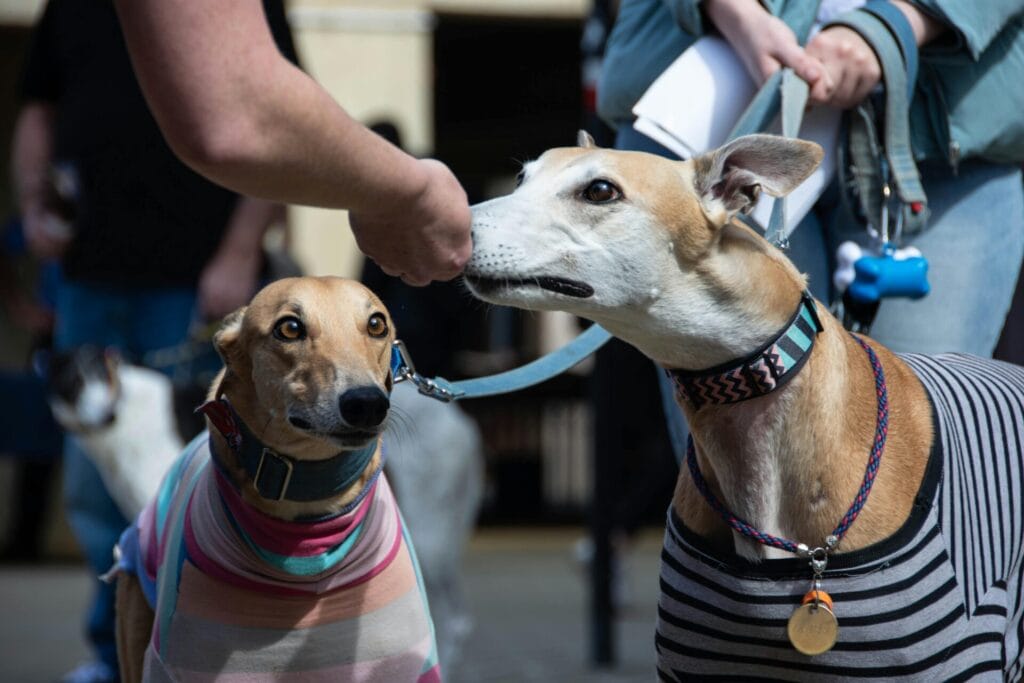
While Shih Tzus are known for their constant companionship, Greyhounds are often quite the surprise to first-time owners as they are actually quite lazy couch potatoes who enjoy relaxing more than anything.
These gentle giants don’t need much exercise – a mere 20-30 minutes a day will have them lounging around your home for hours.
As good as greyhounds may be at the track, they are even better at the track bed. They are slow but serious marathon nappers. They only sprint when they feel like it.
Why Greyhounds excel as starter dogs:
- Calm temperament – They’re naturally quiet, rarely bark, and show remarkable patience with children and other pets.
- Minimal grooming needs – Their short coat only needs weekly brushing, which makes grooming surprisingly simple.
- Adaptable living – Despite their size, they do well in apartments because they’re actually pretty lazy indoors.
These dogs are very sweet and affectionate and make wonderful pets for families who want to provide a loving home to one of these retired athletes. They often bond quickly with children.
Mixed-Breed and Rescue Dogs
Mixed-breed dogs and rescue dogs give first time dog owners the unique opportunity to find a companion whose personality you can evaluate before bringing them home.
Staff at the shelter can tell you if a dog is calm around kids or housetrained, things you’ll never know about puppies.
You’re also saving a life while only spending $50-$300 in adoption fees and not the $1000-$3000 of a purebred.
Some dogs are already spayed or neutered, vaccinated and microchipped.
Crossbreeds often have fewer genetic health problems than purebreds because of hybrid vigor.
If you are an animal lover and feel the need to help, adopt a rescue dog. They are the animals who need a second chance.
There are many young adults and seniors, small to large breed dogs.
Breeds First-Time Owners Should Approach Carefully
Not every dog breed suits beginners. Knowing which ones to avoid will prevent you from getting overwhelmed.
Often, as they get older, they can become wonderful companions, but they will often require specialized knowledge, firm consistency, and considerable time investment that may be overwhelming to a first-time owner.
Breeds requiring extra consideration:
- Siberian Huskies and Malamutes – These independent, high-energy breeds need extensive exercise, at least 2 hours daily, and they’re notorious escape artists with strong prey drives.
- Belgian Malinois – Intensely driven working dogs that demand constant mental stimulation and can develop destructive behaviors without proper outlets.
- Akitas and Chow Chows – Naturally protective breeds with strong-willed temperaments, which require experienced handling to prevent aggression issues.
Do you think you could honestly manage a dog?
How to Choose the Right Breed for You

Choosing your first dog is best when you match breeds to your actual lifestyle, not the lifestyle you wish you had.
Start with your living space–your Great Dane in a studio apartment is a problem. And your energy level–if you’re not running 5Ks every morning, skip the Border Collie.
Topping it all off, a Poodle requires regular grooming. You’ll need to take your Poodle for a professional cut every 6-8 weeks. Also, if you have a busy schedule you may want to take this into consideration as puppies should be taken out to use the bathroom every 2-3 hours.
Think about your life. If you share your life with children, older parents or other pets, consider their needs. Also, keep in mind that your dog will depend on you for the rest of its life, typically 10-15 years.
Preparing Your Home and Routine
Before your new dog arrives, you will need to puppy-proof your home, as you would with a curious toddler, but with sharper teeth.
Secure any electrical cords, get rid of toxic plants such as lilies and philodendrons, and store medications out of reach. Creating a consistent routine will make your dog feel secure and will make training easier.
Essential preparation steps:
- Designate a “sleeping area” with a comfortable crate or bed where your dog can retreat when overwhelmed.
- Schedule feeding times at consistent intervals, typically twice daily for adult dogs.
- Plan daily walks of at least 30 minutes, ideally before work and after dinner.
Here you will find a list of all the things you will need before your beloved cat arrives. Don’t forget food, bowls, a leash, collar, ID tags, and cleaning supplies.
You are creating the foundation for a happy and well-adjusted companion.
When a Different Pet Might Be Better
You’ve gotten the home ready, thought of a daily routine, and your new pups are settling in and learning their new way of life. But perhaps dogs aren’t the right fit for everyone’s lifestyle or living situation.
If you are going to be working 10-12 hour days, and cant go home for lunch or bathroom breaks, a cat may be a better choice for you because they are more independant. If you are living in an apartment with noise restrictions, even the smallest dog can bark for hours on end.
Your budget should also include money for dog’s annual vet visits costing $200-400, and an emergency fund for unexpected illnesses.
If you travel often, for work or volunteer commitments, finding reliable pet care can become a challenge, and it gets expensive.
Fish, rabbits, or guinea pigs require less time commitment while still providing companionship.
There is no shame in admitting you should select a pet that you can care for well. Choosing the right pet is one of the most important decisions you will make.
Frequently Asked Questions
What Are the Average Veterinary Costs for First-Time Dog Owners?
Most people spend $200-$400 per year on routine vet visits to have their pet’s wellness exams and vaccinations. However, emergency illnesses or situations can cost up to $500-$5,000 or more so it is always wise to plan for such emergencies and to consider pet insurance in order to help with such unexpected costs.
How Do I Find a Reputable Dog Breeder or Rescue Organization?
Most reputable breeders are found by going to the club web site and going to the Marketplace section. You can find shelters and rescues by going to Petfinder.com. Make sure you go to visit any breeder or rescue you’re thinking of using. Ask all the questions you can. Check references. Be sure that the person you’re using is as concerned with the animal’s welfare as much as profit.
What Vaccinations Does My New Dog Need in the First Year?
Vaccinations for puppies are very important. In the first year of life your puppy will need to be vaccinated against distemper, parvovirus, and rabies. Your puppy will have to be brought in for a series of three shots between 6-16 weeks old. After this booster vaccines will be needed. Your veterinarian will discuss a vaccination schedule for your puppy.
Should I Get Pet Insurance for My First Dog?
I completely agree with your first paragraph. If you don’t have any children, your dog is your baby and you must have your dog insured. There is no question about that. You never know what is going to happen to them. It’s like having a child. So yes, you should strongly consider pet insurance for your first dog.
How Long Can I Leave My Dog Alone Each Day?
Dogs should not be left alone for more than four to six hours at a time. Puppies should be attended to even more frequently than that. If you work long hours, consider hiring a dog walker or putting your dog in day care.
Conclusion
It can be a very exciting time when you’re deciding on your first dog! There are so many amazing breeds to choose from. If you are looking for a playful Lab, a gentle Cavalier, or a clever Poodle, you need to consider how that dog’s needs match with your lifestyle, schedule, and living space. It’s important to do your research, try to meet some different dogs, and prepare your home before bringing your new best friend home!

Hi, I’m Ali Tarek, co-founder of Animalsman. I’ve always been passionate about pets, especially dogs and cats, and I created this website to share practical tips, easy recipes, and helpful care advice for fellow pet lovers. My goal is to make pet care simple, enjoyable, and accessible for everyone. When I’m not writing or curating content, you’ll usually find me spending time with my furry friends or learning new ways to keep them happy and healthy.