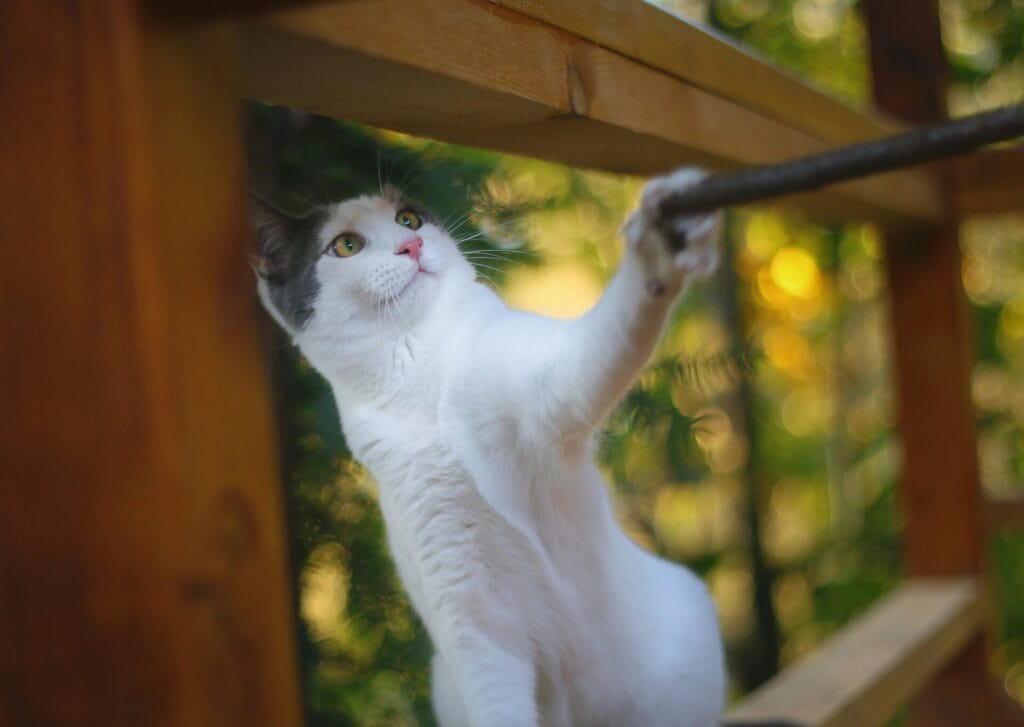

You’re bringing home a little carnivore that needs some specific care. Most first-time cat owners get at least three things wrong in the first week. But don’t worry, your cat will forgive you. They don’t really need those fancy toys or designer bowls, but they do need you to get the basics right from the start.
Don’t worry about the perfect intro and don’t spend too much time on it. A short and simple one is good enough and if you have a certain intro in mind, you can always write it later. The most important thing is the main body of your blog post. That’s what you should be focusing on. Once you’ve written your main content, you can go back and perfect your intro. If you can’t write an intro, try focusing on your first paragraph. It’ll probably be a lot easier.
Key Takeaways
- Create a safe, quiet basecamp room with litter box, food bowls, scratching post, and hiding spots for initial acclimation.
- Provide one litter box per cat plus one extra, using unscented clumping litter and scooping daily for cleanliness.
- Feed high-quality wet and dry food twice daily, as cats require animal protein and adequate hydration.
- Schedule regular vet visits, establish weekly grooming routines, and monitor behavior changes indicating potential health issues.
- Engage cats with daily play sessions and rotating toys while maintaining consistent feeding and grooming schedules.
Setting Up Your Cat’s Safe Space Before They Arrive

3. Make sure there’s one room in your house that’s off-limits: A quiet room where your new cat can rest and relax after moving day.
That means the “must-haves” like a sturdy scratching post, shallow food bowls, and a litter box with low sides. Make sure any loose electrical cords are out of reach and any toxic plants like lilies or pothos are gone.
I’m imagining it as a cat-safe bubble – 100-150 square feet if you can swing it – where curiosity won’t lead to danger, and your kitty can get acclimated at their own pace. And don’t forget to include a spot or two like cat-friendly nooks to add warmth and comfort.
Creating a quiet basecamp room to reduce their arrival panic
The first thing you can do when your new cat comes home is to give them a safe place where they can decompress and get used to their new surroundings without feeling too overwhelmed.
3. Set up in a quiet room away from traffic, noise, and other pets. A bedroom, home office, or bathroom would be perfect.
Outfit their essentials in this room: litter box, food and water bowls (at least 3 feet away from the litter), scratching post, and comfortable hiding spots. Cardboard boxes with cut-out entrances can be a great temporary retreat.
Close the door for 3-7 days. Only let your cat out when she has a confident body language and looks curious about what’s happening outside of her sanctuary. You can also add a cozy cat house to make her feel at home while she’s inside this safe space.
The absolute essentials checklist from sturdy scratchers to shallow bowls
If you’re getting your supplies, you won’t be stressing at the last minute with an anxious cat in a carrier.
To get ready for this, you’ll need a litter box that is at least 1.5 times the length of your cat, unscented clumping litter and a scoop.
Two shallow food bowls and water dish (cats don’t like their whiskers touching the sides).
A tall scratching post (30 inches or taller) will save your furniture.
14. Make sure you always have enough of high-quality wet and dry food that your vet recommends.
7. Add a cozy bed, though your cat will probably ignore it for a cardboard box.
1. A sturdy carrier. 2. Grooming tools. 3. Toys. All of these things will make your new friend feel at home. Try to feed him homemade dog food for huskies. He will love it.
Cat-proofing your home against toxic house plants and dangerous dangling cords
Your curious new cat will be poking his nose into every nook and cranny of your home in no time, so you might as well scan your home for hazards now. Toss out the lilies, aloe vera, pothos, and philodendrons (common houseplants) right now because they can cause kidney failure and vomiting.
Keep blind cords, phone chargers and lamp cables up and out of reach using cord covers or clips because they can trigger the prey drive and cause strangulation. Tuck away loose rubber bands, hair ties and ribbons that look like toys but can cause intestinal blockages requiring surgery.
If your windows are on the second floor, screen them. Medications, cleaning products and essential oil diffusers go into cabinets with child-proof latches. Also, make sure that any pet grooming products you use to keep their skin healthy are safe and appropriate — some may contain harmful ingredients that could make allergies worse.
Your thorough walkthrough takes thirty minutes but saves your new friend for years.
The Litter Box Rules You Can Never Afford to Ignore

2. Put the litter box in from the beginning and you won’t have the “mystery puddles” on the carpet (and the laundry basket “gift”).
You’ll need more boxes than you think. You’ll need litter that’s cat-approved (not human-approved). You’ll need a surprisingly quick daily routine that takes less than two minutes. Adding a variety of treat options like no-bake treats can also help keep your pet’s attention away from the litter box area.
Not hard to follow, but if you miss just one of these rules, your new pet might become a bathroom rebel.
Why the “one plus one” box math prevents frustrating bathroom accidents
Every cat owner learns this equation. But if you learn it the hard way, you’ll step in a few messes: one litter box per cat, plus one.
It’s not just a random equation. Cats are territorial and will avoid a box that smells like other cats (even if they are in the same house). More options = choices for your cat = less stress and less inappropriate elimination.
If you have 2 cats then you have 3 boxes scattered throughout the house. Put them in quiet, easy to get to places – not all in one room. And it’s good if one box gets dirty between cleanings – your cat won’t feel trapped without a clean box.
This formula can help prevent accidents. And giving your cat a place to feel comfortable, like cozy indoor spaces, will make them feel better.
Choosing fine unscented litter and ditching the enclosed plastic roof
I know you want a litter box that looks good in your house. But it’s a scent trap. Most cats hate them. Cats have 200 million scent receptors. Covering them up only makes it worse.
Pull your hood up. If you have to be less cool, too bad.
For litter, you want a finely ground, unscented, clumping litter that looks like sand. Cats evolved in sand, not clumps or scented pebbles. If you don’t clean the litter box often enough, you’ll also get bad breath in cats. They may not use it at all.
That “fresh linen” scent you love? Your cat experiences it as an overwhelming chemical assault. Stick with unscented options, usually labeled as “fragrance-free” or “natural.”
Dig 2-3 inches so they can dig and bury. Too shallow is frustrating for cats and you’ll have litter box issues. Too deep is a waste.
A fast daily scooping routine that actually keeps your house smelling fresh
Daily scooping, it’s a 2-minute job to keep your home smelling fresh.
Grab a sturdy metal scoop every morning, before your coffee if possible, and scoop out all clumps and solid waste. Cats don’t like dirty boxes, so this daily habit will help prevent inappropriate elimination around your house.
You’ll want a sealed container or lined trash bin close by. Scoop again each evening if you have multiple cats, as ammonia buildup gets worse with shared boxes.
The best part? Your guests won’t smell it and your cat will be happy. Replace litter weekly with a 3-inch depth, replace it all monthly and give it a good wash.
Feeding Your New Feline Like a True Obligate Carnivore
Your cat isn’t a small dog that can eat grains and veggies. Think like a carnivore when you’re feeding your pet. Wet food vs. dry food matters more than you think, because cats get most of their moisture from their prey, not water bowls. Feed on a schedule, not leaving kibble out all day, so you know how much your cat is eating, can prevent obesity and establish a routine your cat can depend on. Also, knowing a cat’s nutrient needs will help you choose the best food.
Finding the right balance between hydrating wet food and convenient kibble
You’re a carnivore and you need animal protein to live. Wet vs dry is just about keeping the moisture in balance with convenience.
Wet food is 70-80% water and can help keep your cat from getting urinary tract problems or kidney disease, because cats don’t have a high thirst drive. Your cat will be better hydrated on a wet-dominant diet.
6. Kibble: Great for busy schedules and helps keep a cat’s teeth clean.
You can feed wet food twice a day (morning and night) and leave a little bit of kibble out for grazing. Your cat will be hydrated, and you can manage your schedule. If your cat has a medical condition, they may need an all wet diet. You can also try some of our homemade food recipes for a customized diet to help with skin allergies.
Why scheduled meal times are always better than leaving food out all day
How often should I feed my cat? Does it matter if the bowl is full all day? Yes, it does. Scheduled feeding times (usually twice a day) can help you keep track of your cat’s appetite and catch health problems early.
1. Overfeeding leads to grazing, which leads to obesity, which affects nearly 60% of domestic cats. If you control the portions, you’ll know if your cat misses a meal, a sign of illness. Scheduled meals also help reduce food aggression in multi-cat households and prevent wet food spoilage.
Most cats, even older cats, like two meals a day, 8-12 hours apart. The size of the meal should be based on their ideal weight. Their internal clock will adjust quickly and they’ll love the predictable routine.
Playtime and Mental Enrichment for a Happy Indoor Cat

Just as your cat’s body needs exercise, so does its brain. If you have a bored indoor cat you might soon find yourself with a very stressed or destructive one.
The good news is you don’t need to shell out a lot of money on any fancy toys or gadgets to help your cat’s mental health. A little bit of consistency and a little bit of understanding of what makes your cat tick can go a long way toward keeping your kitty happy and entertained.
Using wand toys to safely mimic the natural stalk-and-catch hunting cycle
4. Wand Toys – Wand toys are a fantastic way to let your cat use his natural prey drive without endangering your ankles.
4. These interactive toys have a long handle, usually 18-36 inches long, and dangling attachments such as feathers, ribbons or fabric prey. Move the toy in short, quick bursts across the floor like a mouse darts and stops.
Let your cat stalk, pounce, and “catch” the prey every few minutes to finish the sequence. If you do this every few minutes, your cat won’t get frustrated. Try to work in 2 10-15 minute sessions per day, preferably before meals when the hunting drive is at its highest.
5. Wand toys – These are dangerous to leave out. Cats will eat the string and tangle in the cord.
You can see that they are not the same post, but the second post has an error in it that the first one does not. The first post is a real post from the author, but the second one is not a real post. The first post was written by the author and not plagiarized. The second post appears to be a duplicate, because it has the same content as the first post. This is an example of how to identify duplicate content. https://www.petful.com/cat-care/safety-and-household-hazards-for-cats/
Providing tall cat trees or shelves so your cat can confidently observe the room
The reason cats like being up high is because they can see everything. It’s an ancient instinct passed down from their tree-climbing ancestors who had to watch for both prey and predators.
Give your cat some vertical space at least 4-6 feet high. Use cat trees, shelves you can mount on the wall, or bookcase tops you’ve cleared off. If possible, place them near a window so your cat has something to watch.
I’m a believer in good construction. Wobbly towers aren’t inspiring. Multi-level options are best, so your cat can choose based on mood and energy.
6. Some cats like the crow’s nest because they feel more secure. Other cats like the open perch because they can see what’s going on. By giving your cat these raised territories, you’re helping them to reduce their stress and letting them do what they want to do – take control of their environment.
Rotating their toy basket weekly so they never get bored with the basics
Even if the toy is fun, your cat will tire of it after a week of pouncing on it every day. That’s where toy rotation comes in, so your cat doesn’t get bored and you don’t have to buy a new toy every week.
Leave a few out, but keep the rest in a closed container to keep them “new”.
8. Swap out 2 toys each Sunday for new ones from the toy box.
12. Change it up. Switch your toys around and make your old favorites feel new again. This will help to keep your cat’s hunting instincts sharp and prevent toy fatigue.
They will play with them more and they won’t be ignoring half of their toys.
Keep them separate so that your toys will once again smell like themselves when you bring them home.
Nailing the First Vet Visit and Long-Term Health Care

Your cat’s first visit to the vet is the beginning of a lifetime of health. Come prepared with questions about vaccines, parasite prevention, and the right weight for your breed.
At home, you’ll want to groom your cat weekly with nail trims every 2-3 weeks and brushing. This will help you get used to your cat’s normal body condition.
Cats are very good at hiding that they are in pain. Keep an eye out for subtle signs. These could include changes in the litter box, changes in appetite, or hiding. Catch these signs early and you may be able to avoid a vet emergency.
Exactly what you need to ask your vet during that crucial first checkup
Don’t be nervous walking into your first vet appointment, but make sure you don’t forget anything by bringing a list of questions.
6. Ask about your kitten’s vaccination schedule – like FVRCP and rabies. Talk about when you’ll spay or neuter – usually around 5-6 months.
If your cat goes outside, be sure to inquire about flea, tick, and heartworm prevention as well as microchipping for identification.
Ask how much and what to feed your cat based on her age and weight.
5. Lastly, mention any behaviors you’ve seen and ask if there are any symptoms that would warrant an ER visit. You can never have too much information from your vet.
Building a gentle weekly grooming habit for painless nail trims and brushing
1. Start grooming rituals early. Turn what could be a wrestling match into a peaceful bonding experience for both you and your cat.
Start with 5 minute sessions, twice a week, holding your kitten’s paws and offering treats to build positive associations. Use cat-specific nail clippers and only trim the clear tip of the nail, not the pink quick inside each nail.
For brushing, you can start with a soft-bristled brush or grooming glove and brush head to tail with the direction of the hair growth.
If your cat has short hair, brush it weekly. If your cat has long hair, brush it 3-4 times a week to prevent matting.
After playtime, groom your cat when he’s calm and never let it escalate to the point where you’re both getting agitated.
Learning to spot subtle signs of illness in a creature built to hide pain
Cats are not just predators, they’re prey. They’re built to hide their vulnerability until they’re almost helpless.
Now you’re going to play detective. Look for behavioral changes before your cat gives you any more obvious signs.
These are not insignificant red flags: Don’t ignore them.
- Appetite changes – Skipping meals, eating less than usual, or suddenly becoming picky about food they normally devour
- Litter box shifts – Straining to urinate, visiting the box more frequently, or avoiding it altogether (kidney disease and urinary blockages need immediate attention)
- Activity differences – Sleeping more than their usual 16 hours, hiding in unusual spots, or reluctance to jump onto favorite perches
Trust your gut. If it doesn’t feel right, it probably isn’t.
Frequently Asked Questions
How Do I Introduce My New Cat to My Existing Pets?
1. Keep your new cat in a separate room for 3-7 days and let pets sniff each other under the door.
5. Change their bedding so they can get to know each other’s scents.
Feed them on opposite sides of a closed door, and move the bowls towards each other.
So you’re ready to meet in person? Start with a baby gate or a slightly cracked door. Let them meet in small doses until you feel they are comfortable.
What Should I Do if My Cat Scratches Furniture?
If you want your cat to stop scratching in the wrong places, put a scratching post by the things that your cat is trying to scratch.
If you’re going to have a post that is at least 32 inches tall and strong enough not to wobble, you’re going to want to have a post that is at least 32 inches tall and strong enough not to wobble.
Cover your furniture with aluminum foil or double-sided tape—something cats don’t like.
Cut your cat’s nails every 2-3 weeks and use nail caps like Soft Paws.
Whenever your cat scratches its post, give it a treat.
How Can I Tell if My Cat Is Stressed or Anxious?
Observe for these signs that your cat is in pain.
If your cat is very stressed, it may be hiding more, grooming themselves until they’re bald in certain spots, or stop using the litter box.
Your pet will eat less, bark more, and its pupils will not react to light.
It might be a little more aggressive, scratch the furniture more, or have that little twitchy tail flick.
Cats will even lick their bellies bald.
Is It Safe to Let My Indoor Cat Outside Occasionally?
It’s really not safe to take your indoor cat outside even for a few minutes. There are so many things that can hurt your cat – cars, predators, diseases, parasites, getting lost.
If you’re going to give in and let your heart win and let your cat out, let them out in a catio, cat-proof your yard with special fencing or train your cat to walk on a harness and leash.
4. Supervised outdoor sessions in a controlled environment are better than free roaming which cuts your cat’s life in half.
How Do I Trim My Cat’s Nails Safely at Home?
Press down on the pad of the paw to extend the nail. Then trim the clear, curved tip of the nail with your cat nail clippers.
Cutting the pink quick inside is a bad idea (the part with the blood vessels and nerves).
If you are nervous just cut one or two at a time until you get the hang of it.
Cats need to be trimmed every 2-3 weeks. Reward them with a treat afterwards, and they’ll think it’s the best part of their day!
Conclusion
And there you have it. Now you know everything you need to know. Time to bring home your new kitty. Remember, it’s patience over perfection in the first few weeks. Your cat needs to get used to their new home and you’ll learn more about their personality over time. Keep their routine the same, keep an eye out for any changes in health and enjoy every quirky moment. You’re going to be a fantastic cat parent.

Hi, I’m Ali Tarek, co-founder of Animalsman. I’ve always been passionate about pets, especially dogs and cats, and I created this website to share practical tips, easy recipes, and helpful care advice for fellow pet lovers. My goal is to make pet care simple, enjoyable, and accessible for everyone. When I’m not writing or curating content, you’ll usually find me spending time with my furry friends or learning new ways to keep them happy and healthy.