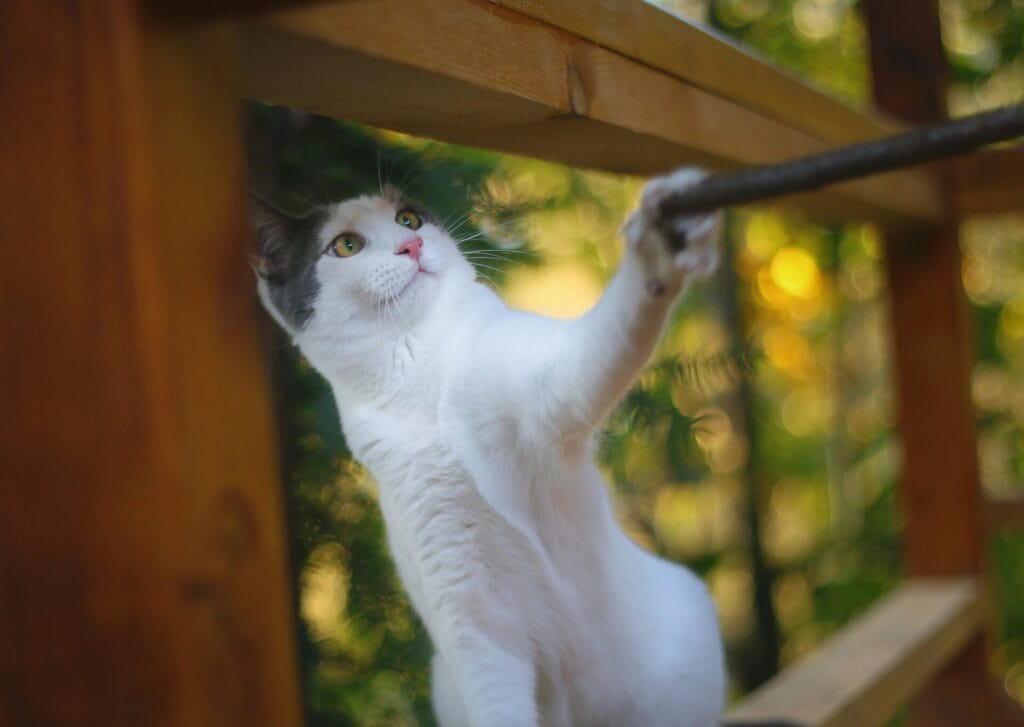
You know your indoor cat spends around 16 hours sleeping. You probably think that’s just how cats are. But if your cat isn’t getting exercise, she can pack on pounds quickly, leading to diabetes, joint problems and a shorter life. Indoor cats need play built into their day, but not all play is equal. Before you start tossing toys around, here are some safety concerns to keep in mind.
Key Takeaways
- Indoor cats need 10-15 minutes of daily exercise to prevent obesity, diabetes, and behavioral issues like excessive meowing.
- Assess fitness by checking for visible waist, easy rib detection, and monitoring for breathing difficulties or lethargy during play.
- Rotate toys every 3-4 days and use wand toys with erratic movements to mimic prey and maintain engagement.
- Puzzle feeders transform mealtime into mental workouts, splitting daily portions across feeders to maximize activity throughout the day.
- Senior cats require low-impact activities at ground level, carpeted ramps for furniture access, and gentle play to protect joints.
Why Indoor Cats Need Real Exercise, Not Just Naps
You probably think your indoor cat is snoozing away 16 hours of the day, but those other 8 hours shouldn’t be spent gazing at the wall or eating from the bowl.
And what happens if the cat never gets out to exercise? It’ll get just as fat, and the fat will become ounces, then pounds, and diabetes, joint pain and an overweight cat that makes everyone else miserable.
Keep your cat’s heart strong, joints flexible, and mind sharp with 10-15 minutes of daily exercise. Turn your couch potato into an energetic playmate. Try some of our healthy homemade dog food recipes to keep your pet healthy and full of energy. Learn how dogs have balanced diets.
How indoor life quietly leads to weight gain and boredom
2. Cats sleep 12-16 hours indoors. Even if they could, they’re not designed for long hours of hunting, climbing or sprinting behind four walls.
If they don’t have natural outlets, your cat’s metabolism slows down, and those extra treats you give them start to appear around their belly. An indoor cat that’s not doing much needs only 20 calories a day per pound, but boredom makes them beg for more. The result? Nearly 60% of domestic cats are overweight or obese.
If you don’t strike the right balance, you’ll be left with a meowing problem, or a scratching your furniture problem, or the night time zoomies that wake you up. They’re not trying to be a jerk, they’re just really bored and have a lot of pent up energy and natural hunting instincts that aren’t being met. A site like Gentle solutions for your pet’s wellness can help with some of the physical aspects of your cat’s health and behavior.
Health benefits of regular movement for joints, heart, and mood
But if you’re human (like those humans that sit all day) and your cat sits for 20 hours straight, it’s not just a fat waistline that cats have to worry about.
2. Keep your cat’s joints moving to keep them lubricated and strong. Arthritis is a big problem for cats who don’t get much exercise by 7 or 8 years old, but if you keep them moving, they can stay in shape and fight off the disease. Cats also need to exercise their cardiovascular system. Strengthening the heart is important, as is blood flow.
5. Mental health improvements Exercise releases endorphins, which can reduce anxiety and depression in cats. An active cat is a happy cat, which means less aggressive behavior, less meowing and less destruction.
If you want to reduce your cat’s chances of getting diabetes (which happens to 1 in 200 cats) by half, spend 15 minutes a day playing with your cat. Exercise isn’t optional. It’s medicine. We can help you learn how to play with your cat here. Veterinary advice on exercise
Is Your Indoor Cat Actually Out of Shape?
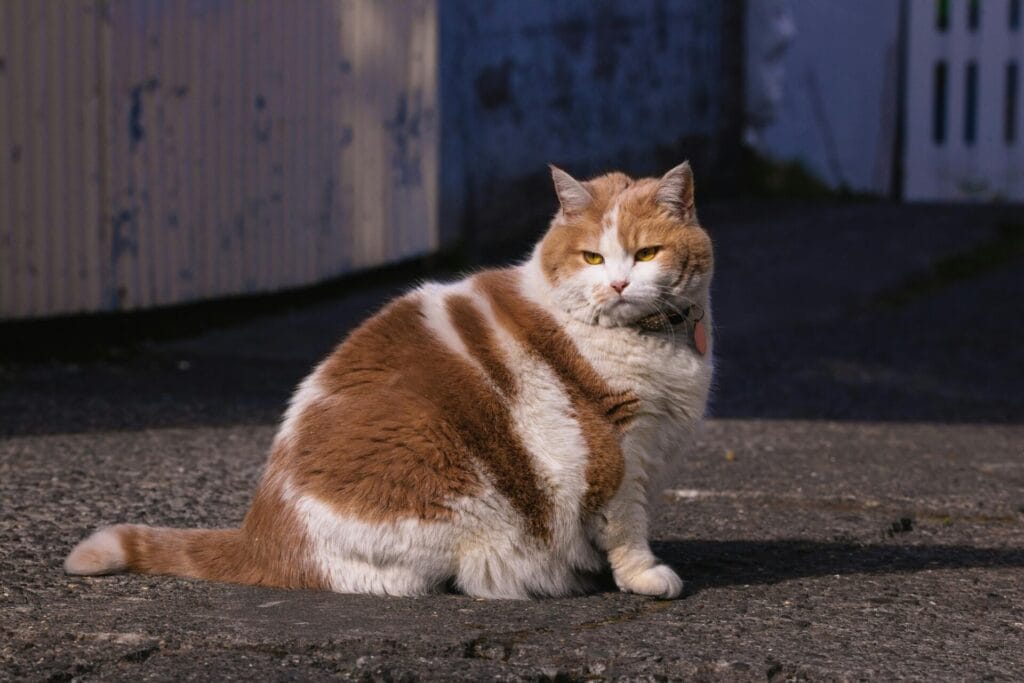
Feel her ribs (you should be able to feel them through a thin layer of fat) and see how she gets around your place.
If your playful tabby doesn’t jump up on the couch anymore, pants after a quick play session, or can’t groom her bum, these are red flags to watch for.
2. You should be able to see a well-toned cat. Not some old retiree. If your cat is 5 years old, it shouldn’t be like this. Play with your cat at creative DIY play setups to keep it in shape.
Simple ways to check body condition without special tools
Don’t you think you’re not going to put your cat on a treadmill? First of all, does your cat need to lose weight? Try the rib test. Just gently run your hands over your cat’s sides. You should be able to feel the ribs easily without pressing too hard. It should feel like your knuckles under your skin.
3. Look down at your cat from above. A healthy cat has a visible waist, the slight indent behind the ribs. From the side, you should also see an abdominal tuck, where the belly curves up toward the hind legs rather than hanging down.
If your cat fails one of these three tests, your cat is overweight and needs more exercise. And regular exercise will keep your cat healthy. nutrition for pets
Subtle signs your cat is slowing down more than they should
This is one of the most common mistakes made by cat owners. Indoor cats quickly become lazy couch potatoes compared to their outdoor counterparts.
It’s a sign you’re doing it wrong: Your cat would rather eat out of the food bowl than play with his toys, even his favorite ones.
They can’t jump up on the furniture they used to. They can’t even go up stairs.
You’ll see them sleeping a lot (more than 15 hours a day) and you’ll also notice that the grooming around their buttocks might stop.
They just don’t have that “shine” they once had. If your 5 year old cat looks like it’s 15, you have a problem.
Weight gain and less activity are a bad combination. Try adding natural remedies to help with your cat’s skin allergies and get him moving again.
Change happens slowly and you don’t even realize it. Before you know it, you’ll be too late. You’ll have forgotten about your cat’s health.
Safety First: When to Talk to Your Vet Before Playing Hard

Have you ever thought about turning your living room into your cat’s own feline fitness center? But if you hear any of these warning signs you might want to pick up the phone and give your vet a call. If you hear wheezing while playing or your cat limps after a jump, or falls over when chasing, don’t ignore it.
If you have a senior cat of over 10 years, a flat-faced breed like Persians or Exotics, or a cat with a few extra pounds, proceed with extra caution as these animals may have breathing problems, joint pain, or heart strain with exercise. Keep your pet occupied and motivated with toys. Call out charming female dog names during play for some added fun!
Red flags like wheezing, limping, or sudden flopping out
If your cat is still playing, watch for these warning signs that you need to call your vet.
Do you hear wheezing or open mouth breathing? Asthma or heart problem maybe. Limping during or after play? Joints, muscles or something hidden.
It’s not just your cat making a grand entrance. If your cat falls out of play, seems disoriented or lethargic, it could be a problem. Other signs include excessive drooling, vomiting after exercise or refusing to walk on a limb.
If your cat is older or sick (like with hypertrophic cardiomyopathy) it might need a little extra attention. If your cat shows signs like the ones described above constipation in dogs, you should watch your pet.
Don’t ignore this. Your vet will tell you if it’s a big deal or if you’re just overdoing it.
Extra caution for seniors, flat-faced breeds, and very overweight cats
If your cat is in the other group, you’ll want to talk to your vet first before you can take him out and play. (This is especially important if your cat is in one of the higher risk groups.)
Cats aged 10+ could have undiagnosed arthritis or heart problems and overplaying can exacerbate it.
Other flat-faced breeds like Persians and Himalayans also suffer from brachycephalic airway syndrome, which means they can get hot easily and need mellow exercise.
Of course, overweight cats (20% overweight) put more strain on their joints and cardiovascular system when they exercise.
You can also take your cat to the vet to help establish your cat’s baseline health and learn how much exercise is safe for them, as well as what types of exercises you can use to help your cat exercise and get in shape without putting too much strain on their joints.
Creating a Safe Home Gym Space for Your Cat
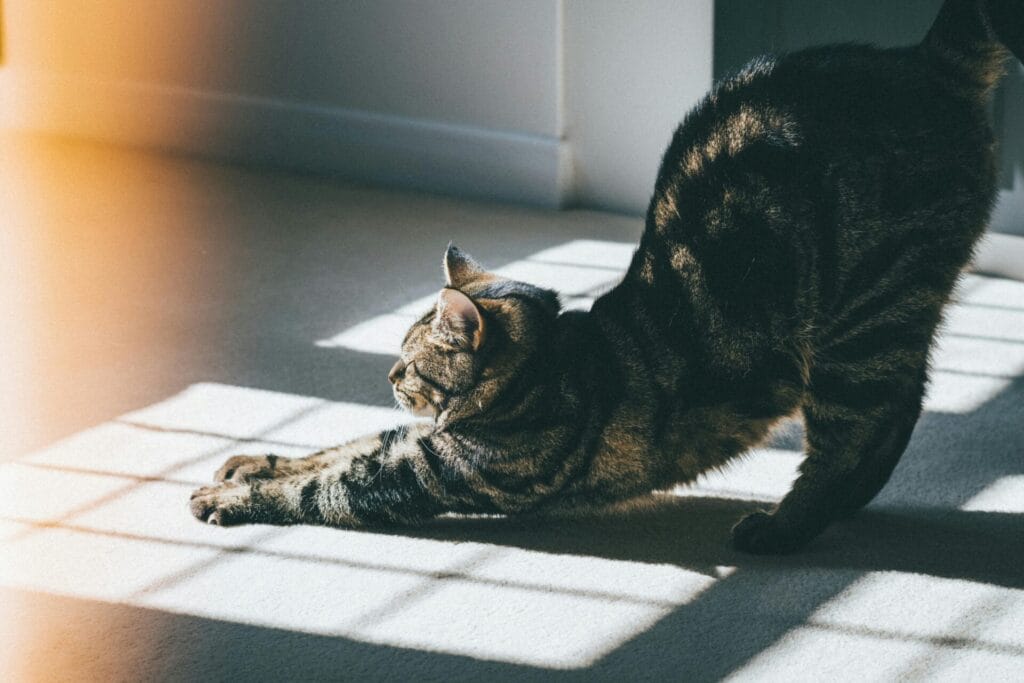
It doesn’t have to be complicated, but it does have to be well thought out so your cat stays happy and safe.
Use solid, non-slip surfaces of various heights (from floor to 5-6 feet) so your cat can jump, climb, and perch safely.
Replace the toys every 3-4 days to avoid boredom. Even the most enthusiastic hunter will get bored of seeing the same feather wand for the tenth day in a row. Adding a DIY playground can really help increase your cat’s physical and mental exercise.
Picking good spots, heights, and surfaces for active play
Where you place your climbing structures and play zones is what separates the cat who is always on the move from the cat who won’t even look twice at the equipment you’ve carefully chosen.
Leave them by the window so they can climb up and watch the birds (their favorite hobby). Don’t put the vertical scratchers in the corner. Instead, put the horizontal scratchers where they already walk.
We were looking at the vertical space in the book. Cats like to perch and feel the most secure when they’re up 4-6 feet.
Top-level factors to boost engagement: 1. Shareable content: The more shareable your content is, the more likely it is to be shared with a larger audience. If you’re creating content that’s easy to share, like infographics or videos, you’re more likely to be shared on social media. This helps to boost your content’s visibility and encourages people to engage with your brand.
- Carpeted platforms provide traction for confident jumping and landing
- Sisal-wrapped posts satisfy scratching instincts while building shoulder strength
- Smooth wood perches encourage balance work and core stabilization
6. To keep your indoor cat occupied with new activities, try thinking up some new play routines right in your home. creative outdoor dog kennel ideas
1. Vary your play zone every month so that you don’t get bored and lazy.
Rotating toys so your cat does not lose interest after two days
2. Cats act like it’s Christmas morning for 48 hours with a new toy and then act like they’ve never seen it before. It’s not about buying tons of new toys. It’s about strategic rotation.
3. Have 3 sets of toys and rotate them every 3-4 days. Keep the ones you aren’t using in a sealed container so they don’t lose their “newness” or catnip smell.
1. Make sure you’re rotating toys in different play styles: one set for hunting (mice, feathers), one for batting (balls, crinkle items), and one for kicking (longer plush toys). When you put toys away for a week or two, they’ll be new again when you bring them back.
The upside: You save money, and your cat has more toys to play with rather than a toy graveyard under the couch.
Chasing, Climbing, and Hunting Games That Feel Natural
The predator in your cat needs to come out. The best games for cats will make every playtime an exercise of their natural hunting skills.
4. Give your cat the right toys and climbing structures. When you’re playing with your cat, you’re giving them the exercise and mental stimulation that they would get if they were hunting in the wild.
Great! Now that you know how to use wand toys, laser pointers and cat trees to turn your home into a playground for your cat, you’ll be well on your way to ensuring that your cat stays happy and healthy.
Using wand toys and laser pointers without causing frustration
We know that cats like to chase. Wands and lasers aren’t the best option if you’re not going to use them correctly.
The problem is, cats need to catch their prey to be full. Laser pointers will never give them that feeling.
2. Laser Pointer: After playing with your cat using a laser pointer, always end the game by leading the dot to a physical toy that he can pounce on and grab.
8. Wand toys: Sometimes, let the cat catch the feather or string. That’s what nature intended.
- Move toys erratically, not in circles, to simulate prey behavior
- End sessions with a catch, followed by a small treat
- Keep sessions under 15 minutes to prevent overstimulation and exhaustion
Choosing cat trees and shelves that invite safe daily climbing
They’re not only exercising when they go up. They need to climb up. They need to feel safe. They need to hunt.
Trees at least 5 feet tall with perches that are 12-18 inches off the ground, so your cat can jump from one to the next.
I need something I can stand on that is solid. If it wobbles, it’s a hazard.
Are you living in a tiny space? Maybe you need a wall-mounted shelf or two! They’re easy to remove, too. 4. They are very easy to knock down. You can make a way for your cat to climb up and down.
Wrap your post in sisal and you can scratch your itch to integrate. A tree outside the window will entertain you.
Do your best to push it yourself before the cat can. 15 lbs. can hit pretty hard in mid-air.
12. If you have a carpeted platform, it should be big enough for you to stretch out, at least 18 inches.
Food Puzzles and Solo Play Ideas for Busy Days
Ready to work? Keep your cat busy burning off some calories while you’re out. Breakfast-time mental workout.
Puzzle feeders (where your cat has to bat, paw or roll kibble out of compartments) turn meals into 10-15 minute hunting sessions that burn calories and stimulate problem-solving skills.
If you want your cat to be entertained all by itself, try battery-operated toys that move around the floor, or crinkle balls for your cat to bounce around. These toys will give your cat “bursts of exercise” even when you’re hours away.
Turning meals into mini workouts with puzzle feeders
2. Puzzle feeders – every meal is a hunt for your cat, so it burns calories.
1. Cats get bored with the same toys, but these will make your cat work for every kibble, slowing down speed eaters and giving a nice dose of mental stimulation. From stationary puzzles to rolling treat balls that scatter food all over the floor, breakfast is now a workout.
Start with beginner-level feeders and gradually move on to more sophisticated feeders.
- Stationary puzzle boards with shallow cups and simple obstacles work well for puzzle-feeding newcomers.
- Rolling treat dispensers encourage your cat to bat, chase, and pounce as kibble falls out during movement.
- Vertical feeding trees with multiple levels require climbing and reaching, building core strength with each meal.
Give your cat’s daily food in 2-3 puzzle feeders so that she will be active all day.
Toys that move or crinkle on their own when you are not around
There will be times when you’re not around to play with your kitty, but you still want to give him something to play with. If you have to make a phone call or run an errand, you’ll want toys that come to life and entertain your cat on their own.
For the first time, a battery-powered mouse will now entertain your cat as it races around your floors. Noisemaker crinkle balls can be used as a reward for a gentle bat, and motion-activated toys will roll or flutter when your cat is near.
8. Rotate these toys every few days to keep the novelty up. Cats get bored fast. Make sure the batteries are always good, though — nothing is sadder than a toy that promised action but just sits there.
Make sure that the toys are strong and that they don’t have any small bits that can come off. Check your toys weekly for choking hazards.
Gentle Exercise for Senior or Stiff-Jointed Cats
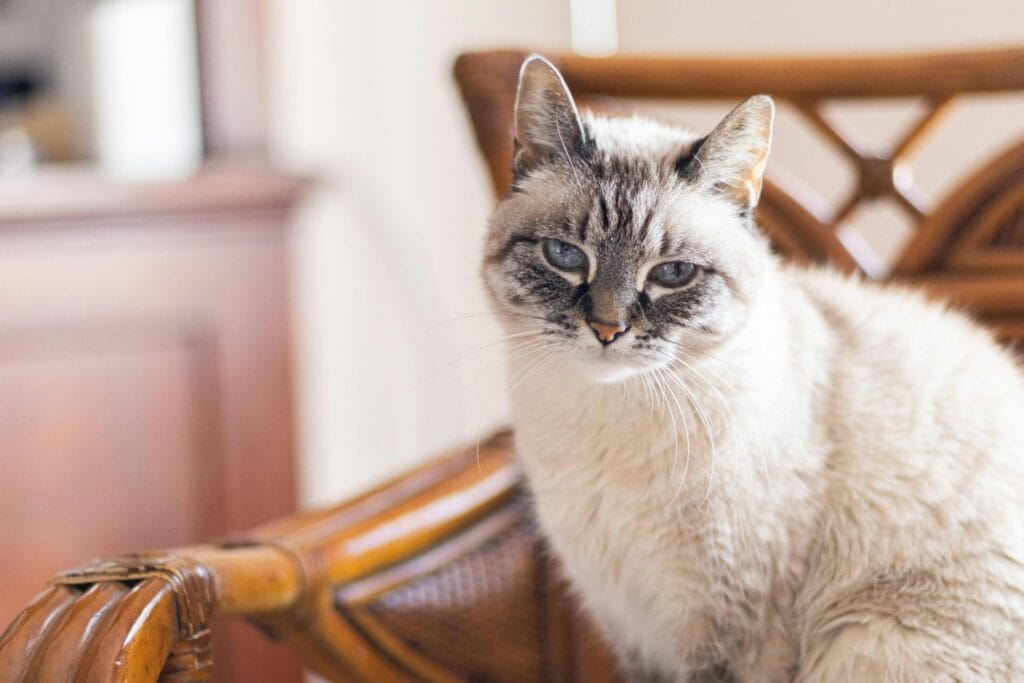
Your cat is 7 or older and the arthritis is starting to take its toll on those limber joints. Time to start thinking about knee- and hip-friendly activities that can still help build muscle.
Change the floors from hard to yoga mats or carpets. Don’t jump, play “gently batting games” on the ground. Put ramps for pets next to the couch or bed.
These small changes, along with the less intense play time, will help keep your older cat more active without the morning stiffness.
Low-impact games on soft surfaces with minimal jumping
What? The older cats, with arthritis or stiff joints, they need exercise but they can’t do flips and sprints like the young ones.
Quiet games: Let them run around the carpet, yoga mat or soft blanket and never let them jump so they don’t hurt their joints. Roll treats across the floor for a slow-motion “hunt” or drag a feather toy on the floor so they have to “stalk” instead of “jump”.
1. **Blogging**: I just started a blog that helps people who are new to online marketing and who are too busy to learn it all. The most important thing I’ve learned is that I need to write at least 1000 words a day for it to make any difference at all. I’ve had fun doing it so far and I’m curious to see where it goes.
> 2. **Doodling**: I used to do a lot of doodling when I was young. I’m not sure if I’ll ever have the time for it again, but maybe I can start. I’ve found that it helps me come up with ideas for my blog posts.
> 3. **Singing**: I’ve been working on my guitar playing and singing for a while now. I don’t have much to add, but I thought I’d mention it in case it interests you.
- Treat-trail games where you place small food rewards in a line, encouraging your cat to walk slowly from station to station
- Puzzle feeders positioned at floor level that stimulate mental engagement while requiring only minimal physical movement
- Gentle laser pointer sessions keeping the dot exclusively on horizontal surfaces, never requiring vertical chases or sudden direction changes
Small tweaks like ramps and lower shelves that protect aging joints
These are great for older cats. Changing the environment is helpful for aching joints in arthritic cats.
Install carpeted ramps at 30-degree angles next to your cat’s favorite furniture, so they don’t have to take the stressful leap. Lower food and water bowls by placing them on the floor instead of elevated stands, to minimize neck strain when eating.
6. Replace your cat’s litter boxes with ones that have 3-inch entrance holes, instead of 7-inch walls. Get non-slip mats to keep rugs from sliding, which could be dangerous for hips or knees.
Add a couple of shelves or ottomans to your cat’s high perch. This will give your cat a couple of steps to get up there, rather than one big jump.
1. Put a non-slip rug in front of the food and water bowls. It can prevent your old cat from slipping and falling as it reaches for the meals.
2. Buy or make a simple and low-to-the-ground litter box. Old cats with arthritis or hip dysplasia may have problems bending down to reach into the regular litter box. By giving your old cat a low-to-the-ground box, you can help it avoid the painful movement.
3. Put non-skid mats on the favorite sleeping spots of the cat. Old cats can have difficulty to keep the footing when it gets up from a sleeping position. Non-skid mats can help prevent the cat from falling.
4. Place the cat trees and furniture in a lower level. Old cats may have problems to climb to reach their favorite perches. A lower-level cat tree can help the old cat to maintain its independence.
Building a Weekly Play Routine You Will Actually Stick With
Nope. It’s not willpower. It’s habit stacking and variety.
If you hang it on something you already do every day (like making your morning coffee or watching the nightly news) you’ll do it.
Mix things up and play with new toys, like feather wand on Monday, laser pointer on Wednesday, or treat dispenser on Friday. Don’t get bored of each other.
Mixing different play types so the week stays interesting
You don’t want to eat the same meal every day. Your cat doesn’t either. Change up play time to keep your cat mentally and physically active.
The idea is that you’re rotating the type of toys you use each day so that your cat never gets bored and uses different muscles. It will keep them busy.
When you’re ready to go from work to play, you can. When you’re ready to go from play to work, you can. Bounce back and forth between these two kinds of play to create a schedule that works for you.
- Chase games with wand toys, laser pointers, or rolling balls that activate your cat’s predatory instincts
- Puzzle feeders and treat-dispensing toys that combine mental stimulation with physical activity
- Climbing activities using cat trees, wall shelves, or cardboard boxes that build leg strength and coordination
You don’t have to plan much. Combine a couple of play types in a week and your cat will have plenty to keep it busy and moving around.
Tying play sessions to daily habits you already have
I’m just saying that knowing what to do when you’re in your chair and ready to work is moot if you can’t remember to actually do it, which is why habit stacking is a life-saver for busy cat owners.
If you’ve already got a 5 minute play session built into your morning coffee time, then you’re almost there! Place a wand next to the kettle, play with mice while dinner cooks, play laser before the evening news.
No, it’s not a matter of finding the time. It’s using the time you have. You’ll teach your cat this cue. They’ll be there the second you get the saucepan out.
This predictability will lower their anxiety and your routine will never fail.
Frequently Asked Questions
Can I Use a Laser Pointer Safely With My Cat?
You can use a laser pointer safely, as long as you follow the rules.
11. A laser pointer can also be fun. Shine it on a toy that your cat can catch. Don’t make him run around the room forever trying to catch it.
Don’t stay there for more than 5-10 minutes or you will be hooked. Never shine the light in their eyes.
Some cats will eat the laser. Just don’t make a habit out of encouraging your cat to chase shadows all day.
How Do I Get My Lazy Cat Interested in Exercise?
Start with 5-minute play sessions twice daily with toys that resemble prey movement (feather wands or motorized mice).
Place treats at different levels around your home to encourage your dog to climb and jump.
If your cat prefers the couch over the floor, try catnip or silvervine to get your cat jumping.
Change your toys every week so your cat doesn’t get bored and play before meals to play with your cat’s hunting instinct which is at its peak before meals.
The answer: wait.
What Toys Are Best for Cats Who Ignore Everything?
Puzzle feeders, or battery-operated toys that go nuts. Nothing gets your cat’s hunting instincts going like this.
Don’t forget to change the toys every week to make them new and fun and try different textures like crinkly, feathers, or a tiny furry mouse.
If your cat likes the wand, it’s probably because your cat likes how you’re moving the wand.
Ok. I’ve failed at this one a couple times too. At the end I used a cardboard box. That’s the last thing I try but it’s the best for picky cats.
Should I Exercise My Cat Before or After Feeding Time?
Before, not after. This is when you should play with your cat. It’s best to mimic the natural “hunt-eat-groom-sleep” cycle. This will prevent problems with digestion by not exercising on a full stomach.
Hold some extra play time for 30-60 minutes before feeding time. This way you’ll be setting up a predictable routine. Your cat will be so pleased to have their meal as a reward for their “hunting” workout, meal time is even more fun.
How Long Should Each Play Session Last for Indoor Cats?
Perfect! If you can sneak in 10-15 minutes play sessions twice a day, you should be able to do it.
Think of it like your cat’s natural hunting patterns (which are short bursts of activity). If your cat’s still going strong after 15 minutes, go for it!
But most indoor cats will be tiring after about 20 minutes. Look for signs of fatigue, such as heavy panting or lying down, and let your cat lead the way.
Conclusion
You’ve got everything you need to turn that lazy couch potato into an active, healthy kitten. Get going! Start with just 5 minutes a day, and mix in climbing, chasing, and puzzle toys. If they seem tired, take a break and pick up again later. It doesn’t matter if you’re not playing perfectly – what matters is that you’re showing up. A little play each day is better than one marathon session a week, so keep it simple and fun.

Hi, I’m Ali Tarek, co-founder of Animalsman. I’ve always been passionate about pets, especially dogs and cats, and I created this website to share practical tips, easy recipes, and helpful care advice for fellow pet lovers. My goal is to make pet care simple, enjoyable, and accessible for everyone. When I’m not writing or curating content, you’ll usually find me spending time with my furry friends or learning new ways to keep them happy and healthy.