If your dog vomits once and acts normal, do not feed him for 12-24 hours, but offer small amounts of water. If he vomits again, do not feed him, but offer small amounts of bland food such as boiled chicken and rice. However, if you see blood in the vomit, repeated vomiting, a distended stomach, pale gums, or severe lethargy, you will need to contact an emergency vet, as your dog may have bloat, poisoning or internal bleeding. You will also need to contact an emergency vet if you think your dog has eaten something poisonous. This is particularly true if your dog is not showing improvement after 24 hours. The difference between dietary indiscretion and a serious condition is described below.
Key Takeaways
- Distinguish vomiting (with abdominal contractions) from regurgitation (passive) to communicate accurately with your veterinarian.
- Look for warning signs like blood in vomit, lethargy, distended abdomen, or pale gums and take your pet to the vet immediately.
- Fast your dog for several hours, then introduce bland diet (boiled chicken and rice) in small portions every 3-4 hours.
- Seek urgent care for bloat, repeated vomiting, toxic ingestion, bloody vomit, seizures, or vomiting that lasts more than 12 hours.
- Prevent future episodes with consistent feeding schedules, smaller meal portions, slow-feeder bowls, and proper food storage.
Why Dogs Vomit and What You’ll Learn
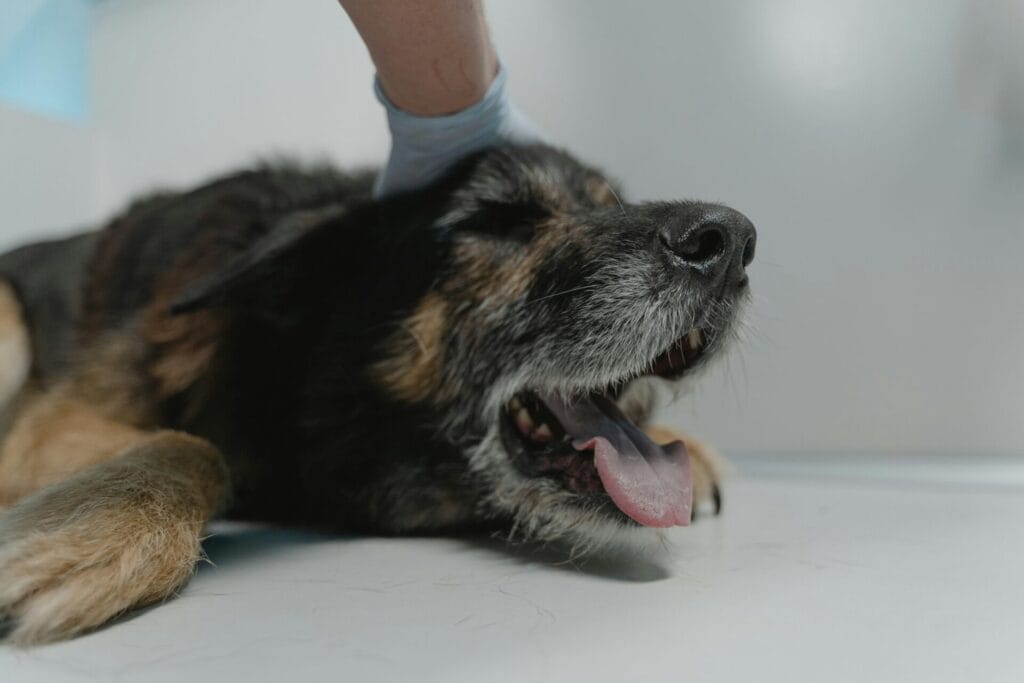
When your dog suddenly vomits all over your living room carpet you may be equal parts concerned and angry. Understanding why dogs vomit can help you determine if it is a minor issue or a veterinary emergency.
Knowing when a dog has an upset stomach and when it’s a more serious medical problem can save your pet’s life.
Dogs can vomit for many reasons, from eating too quickly, to conditions such as pancreatitis and intestinal blockages.
Learn to distinguish between vomiting and regurgitation, recognize warning signs that require immediate attention and common triggers.
We will cover what you can do at home to help your pup, including monitoring and what you can feed to your pup.
You’ll also discover when waiting isn’t safe and your dog needs professional care.
Confirm It’s Vomiting (Not Regurgitation or Coughing)
Before you can help your dog, you need to make sure what you’re seeing is actually vomiting and not something else.
Although they may appear similar, vomiting and regurgitation are two distinct processes that require different responses.
Knowing the differences between the two could help you decide if your dog needs to see the vet immediately or if you can monitor them at home.
Key differences between vomiting and regurgitation
How can you tell if your dog is really vomiting or just doing something else? The trick is to look at what happens before and during the event.
Vomiting involves active abdominal contractions (heaving) and retching before anything comes up. Your dog may drool and look uncomfortable, and vomit up digested food mixed with yellow bile.
Regurgitation, on the other hand, happens suddenly, without any warning signs or effort. Your dog lowers his head and undigested food slides out of his mouth, often in a tubular shape.
Material regurgitated from the esophagus will appear to be similar to food that just came out of the dog’s food bowl. Vomit will appear partially digested and acidic. Knowing the difference will help you communicate with your veterinarian accurately and will help determine potential problems.
Do a 60-Second Safety Check
Before you start cleaning up the mess, spend one minute checking your dog for any of the following warning signs.
It is important to know the symptoms that need urgent veterinary care versus those that can wait a bit. This may mean saving your dog’s life.
There are definitely some red flags that should send you running to the phone.
Red-flag symptoms you should never ignore
When your dog vomits, you have about 60 seconds to search for signs that indicate that this may be a “veterinary emergency” rather than an upset tummy.
Look for the presence of blood (either bright red or the darker brown color of old blood) in the vomit. Your dog may have vomited up a foreign object (e.g. toy or piece of fabric), or the vomit may simply be of an unusual color (bright yellow-green bile).
Next, make sure your dog’s not acting sick. If your dog is lethargic and vomiting, or has a distended, hard abdomen, he may be bloated, which can kill within hours.
Pale gums usually indicate either shock or internal bleeding. If your dog is trying to vomit but nothing comes up, this is also a sign of bloat.
If the dog vomits more than twice in a 24 hour period or vomits with diarrhea-especially puppies!
Trust your gut instincts here.
Decide: Emergency Vet Now or Monitor at Home?
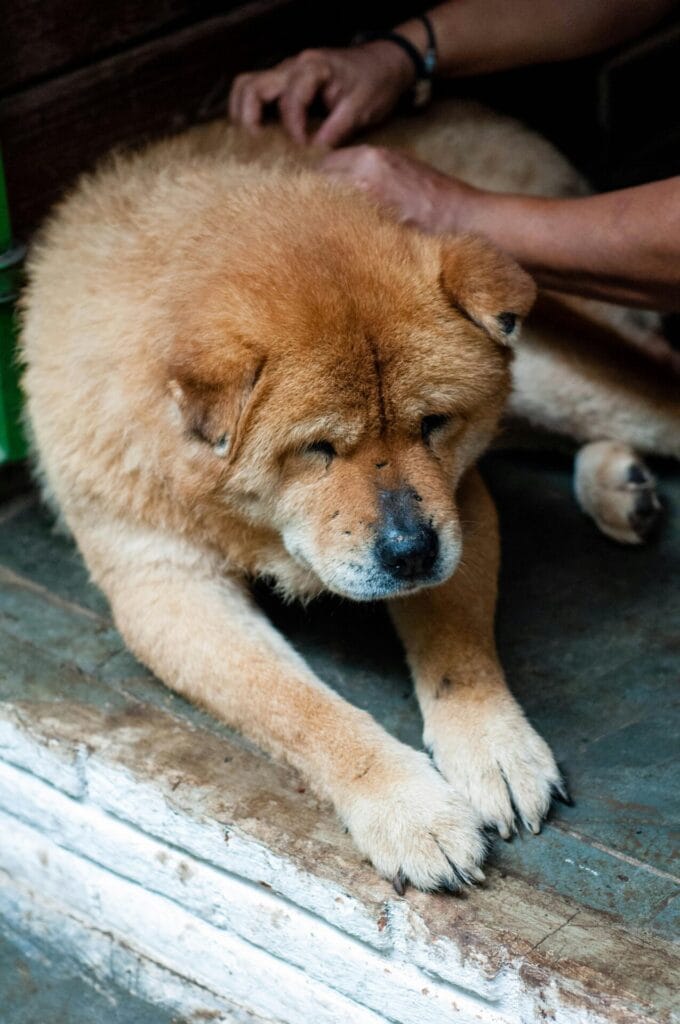
If you have completed your quick and simple safety check, you now need to decide if your dog requires emergency care or if you can safely monitor and wait for him at home.
Sometimes, vomiting is an emergency situation and your dog needs to see a vet immediately. For example, when your dog is showing signs of bloat, is retching but not producing anything or has eaten something poisonous.
In other cases, especially if your dog seems bright-eyed and otherwise normal, you can monitor your dog at home for 12-24 hours while following specific care steps.
When to head straight to the emergency vet
Although most episodes of vomiting will resolve on their own or with a little care, some ‘red flags’ should send you running to the vet.
Rush your dog to the emergency vet if you notice: Repeated vomiting, where your dog can’t keep anything down for more than 12 hours. Blood in the vomit, whether it’s bright red or coffee grounds in color.
If your dog is experiencing signs of bloat such as a distended abdomen, unproductive retching or restlessness, do not wait to go to the vet. This is a life-threatening condition.
A seizure, collapse or extreme lethargy with vomiting is a medical emergency. If your dog ate something toxic, like chocolate, xylitol, or antifreeze, it’s time to head to the vet.
When in doubt, call ahead and describe the symptoms.
When it’s usually safe to monitor at home
If your dog vomits once or twice, but otherwise seems their goofy self, you can likely watch them at home with some basic care.
Mostly, they’re still wagging their tail, interested in treats, drinking water as normal and playfully, so it’s a reassuring sign. Their gums should be pink and moist, not pale or dry.
If the dog only vomits food or grass, and there’s no blood, this is usually normal. Young healthy dogs often bounce back quickly after minor stomach upset.
However, you will need to withhold food for 12-24 hours, but offering small amounts of water frequently.
Watch them carefully at this time, checking their behaviour every few hours, just to see if anything is wrong. While watching your dog recover, this is also a good time to check for other common issues like flea infestations which could be causing them additional discomfort.
First 12 Hours: What to Do (and Not Do)
Once you’ve determined that your dog doesn’t need emergency care, the first 12 hours are critical to recovery.
Your main job is to try to rest their stomach while avoiding dehydration and to adjust food and water intake accordingly.
There are three steps you need to take: first, the pup should fast; second, reintroduce the water slowly; and third, start offering her some bland food. Read on to learn more about these steps and why timing is important when trying to treat stomach pain in dogs.
Safe use of fasting, water, and bland food
It’s only natural to want to offer your dog food or treats when they throw up, but it’s best to hold off on food for a few hours so their stomach has time to settle down.
Start your dog’s fast with a 4-6 hour fast. If your dog is a puppy, do not let him go longer than 2-3 hours without a meal. Make sure your dog has access to a small amount of fresh water, but not enough to fill a bowl at once. He should only be allowed to drink a few laps of water every hour.
If your dog has fasted, start with a bland diet of boiled chicken and white rice in a 1:3 ratio. You can give a small amount of this, about a tablespoon per 10 pounds of body weight, every 2-3 hours if your dog keeps this down.
For dogs with digestive issues, or who have had issues for a while, gentle solutions like pumpkin puree or bone broth can help soothe the stomach lining and promote healing. Adding a small amount of coconut oil to your dog’s food during recovery can also help coat and soothe the stomach. Sometimes digestive issues are related to other issues like yeast infections in dogs and natural remedies are needed to help resolve.
Vomiting and diarrhea can occur together, but these effective diarrhea remedies for dogs follow the same principles of fasting and bland food to give your dog’s system a rest. If your dog also has signs of scratching or irritated skin, check out these natural skin allergy remedies for dogs to address both the inside and outside symptoms.
Day 1–2: Gentle Feeding Plan After Vomiting
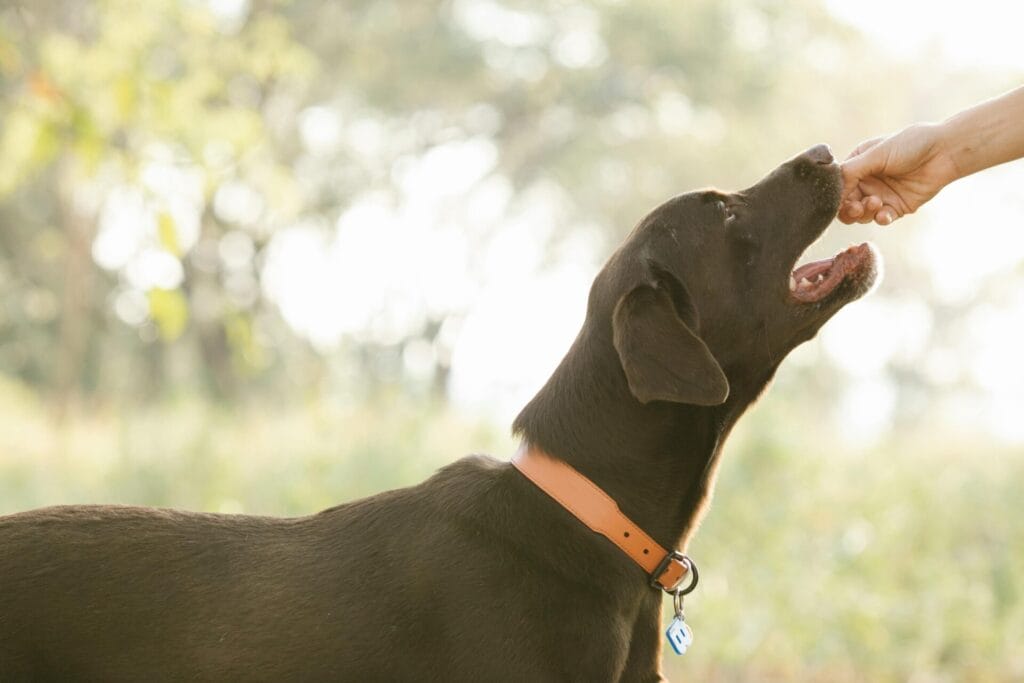
Giving your dog a chance for its stomach to settle and heal after a bout of vomiting is a good idea. You should start off with a bland diet that is easily digestible for the first day or two.
2. Offer small portions every 3-4 hours rather than one large meal. This prevents overwhelming their sensitive digestive systems. 3. Boiled chicken (skinless, boneless) mixed with plain white rice (1:2 ratio chicken to rice) works well for my babies.
You can also try boiled lean ground turkey or cottage cheese if your dog will eat these options. Feed no more than a tablespoon of either per 10 pounds of body weight per feeding.
If your dog keeps these meals down without issue, then you’re well on the way to a speedy recovery. However, if your dog has chicken allergies then you will need to substitute the chicken with another protein such as turkey or fish in their recovery diet.
Common Everyday Causes of Vomiting (That Are Usually Mild)
Most dogs vomit occasionally for reasons that are no cause for concern, and knowing what is “normal” for your dog may help you determine when vomiting is a minor hiccup or a more serious problem.
The occasional vomiting in a dog is usually not serious. Knowing the common causes of vomiting in dogs will help you tell the difference between normal and a serious problem.
If your dog eats too quickly, it’s probably the worst offender, especially if they wolf down their meals in under two minutes.
The ingesting of grass by cats is a little bit of a mystery to veterinarians, but it usually just causes mild stomach upset and the cat recovers quickly.
Dietary indiscretion is vomiting of garbage, spoiled food or non-food items. These episodes resolve within 24 hours.
Car sickness is more common in younger dogs and they usually outgrow it.
Minor stress from change in routine or new environment, or from temporary anxiety can bring on an isolated vomiting episode without any other symptoms.
If you notice that your dog is vomiting it is important to monitor his behavior and watch for any signs of distress.
While vomiting involves emptying the stomach of its contents, digestive issues like constipation represent the opposite problem.
Serious Causes You Can’t Afford to Miss
However, some people vomit because they have a life-threatening condition that can worsen quickly unless treated.
Bloat, or gastric dilatation-volvulus, causes your dog’s stomach to twist and fill with gas. It is a medical emergency within hours.
Intestinal obstructions from toys, bones or fabric can also cut off blood supply to the gut.
Poisoning from chocolate, xylitol, antifreeze, or toxic plants requires urgent treatment.
Pancreatite, liver disease, kidney failure, and Addision’s disease are all associated with vomiting, but also other warning signs.
Hemorrhagic gastroenteritis produces bloody vomit and severe dehydration.
If you notice that your pet is lethargic, if there is blood in the vomit, if the abdomen is swollen, if the gums are pale, if there is repeated unproductive retching or if the vomiting persists beyond 24 hours, contact your veterinarian immediately.
What Your Vet Will Do and Ask at the Clinic
When you arrive at the clinic, your vet will ask some specific questions about the vomiting: how often it happened, what the vomit looked like, and whether your dog ate anything unusual.
They will perform a physical exam, and may recommend bloodwork, X-rays, or an ultrasound to identify the cause of the problem.
Before you leave, make sure you understand your diagnosis, treatment plan, and warning signs that mean you need to come back immediately.
Tests your vet may recommend (and why)
Once your veterinarian has completed the physical examination, they will likely recommend certain diagnostic tests based on what they discovered and what your dog’s symptoms may suggest.
Blood work checks organ function, electrolyte balance, and infection markers, helping rule out kidney disease, pancreatitis, or metabolic issues. X-rays reveal foreign objects, tumors, or intestinal blockages that need immediate attention.
A fecal test can identify parasites, bacteria or other sources of the vomiting problem. Urinalysis will test for kidney function and hydration issues, which can occur as a result of dehydration associated with vomiting.
Depending on your dog’s symptoms, your vet may recommend a number of diagnostic tests including ultrasound or endoscopy, to get more detailed views of the internal organs. If you’re still in doubt about the diagnosis, consult a specialist.
Questions to ask your vet before you leave
Have you ever thought about what to ask your vet before you head home with your pup? Here are some answers that will help you to better manage your pup’s recovery.
Ask what symptoms you should call to bring him back to the hospital, such as vomiting that continues or lethargy. Ask about the dose of any medications your son is on and if it should be given with food. Ask if you should hold off giving any of the medications for a certain amount of time.
Ask when your dog can resume “normal eating” and whether you need to continue with a bland diet. Ask for clear “feeding instructions” including portion sizes and how often you should feed your dog.
Ask if there are any restrictions on activity while your dog recovers, as some need to rest while others can play normally. Make any necessary follow-up appointments before you leave the vet. Find out how to contact the clinic if you have concerns after hours.
Preventing Future Vomiting Episodes
Once you’ve got over an acute vomiting episode, it’s time to focus on prevention, and a few simple daily habits can go a long way.
If your dog suffers from stomach upset, try slowing down how fast your dog eats and/or changing the time when your dog is fed. .
Simple daily habits that protect your dog’s stomach
While it’s important to treat your dog if they’re vomiting from time to time, establishing protective daily routines can greatly reduce your dog’s risk of stomach upset in the first place.
Give your dog food at the same times every day, if possible split the meals into two or even three smaller meals rather than one large meal. Always have fresh clean water available for your dog, clean the bowl daily.
Always store dog food in airtight containers and never leave wet food out for more than 30 minutes.
Make sure your dog’s food bowls are at a level that makes him comfortable, but not so low that he is gulping or aerophagia. If your dog is eating too quickly, consider using a slow feeder bowl.
Make sure you keep up your exercise regime but try not to exercise too soon after eating a meal. Leave it 30-60 minutes after a meal before going out for a run or playing a game. Make sure you purchase a quality dog feeding station to help organise your pets dinner spot and keep the bowls at the correct height and clean.
Conclusion
You’ve learned the signs to watch for, how to act quickly when needed and how to comfort your dog through a rough patch. Now you’re ready to handle vomiting episodes with confidence and not panic. Trust your instincts, keep your vet’s phone number handy and don’t hesitate to call if something just doesn’t seem right. Your dog depends on you to be their voice and advocate.

Amr Mohsen is a software engineer who traded his keyboard for a leash — at least on weekends. His love for dogs inspired him to share what he learns as a dog owner and enthusiast, bringing a detail-oriented, research-driven perspective to every article he writes. If it’s about dogs, he’s probably already looked it up twice.