
You love your dog. But vet visits for every little thing can get expensive. So what can you do at home? While some ailments — from mild tummy troubles to itchy skin or an irritated paw — can be handled with simple home treatments, you still need to know which ones you can handle on your own, and which should be seen by a vet right away.
Key Takeaways
- Fast your dog for 12 hours, then offer bland diet of boiled chicken and rice for upset stomach or diarrhea.
- Oatmeal baths, coconut oil, and diluted apple cider vinegar can help soothe skin irritation and inflammation in dogs.
- Natural flea control includes apple cider vinegar spray, diatomaceous earth on carpets, and washing bedding in hot water.
- Coconut oil moisturizes cracked paw pads while Epsom salt soaks promote healing of minor injuries and inflammation.
- See a veterinarian if symptoms persist for more than 48 hours or worsen, or if emergency signs appear.
When to Use a Home Remedy vs. When to Call the Vet
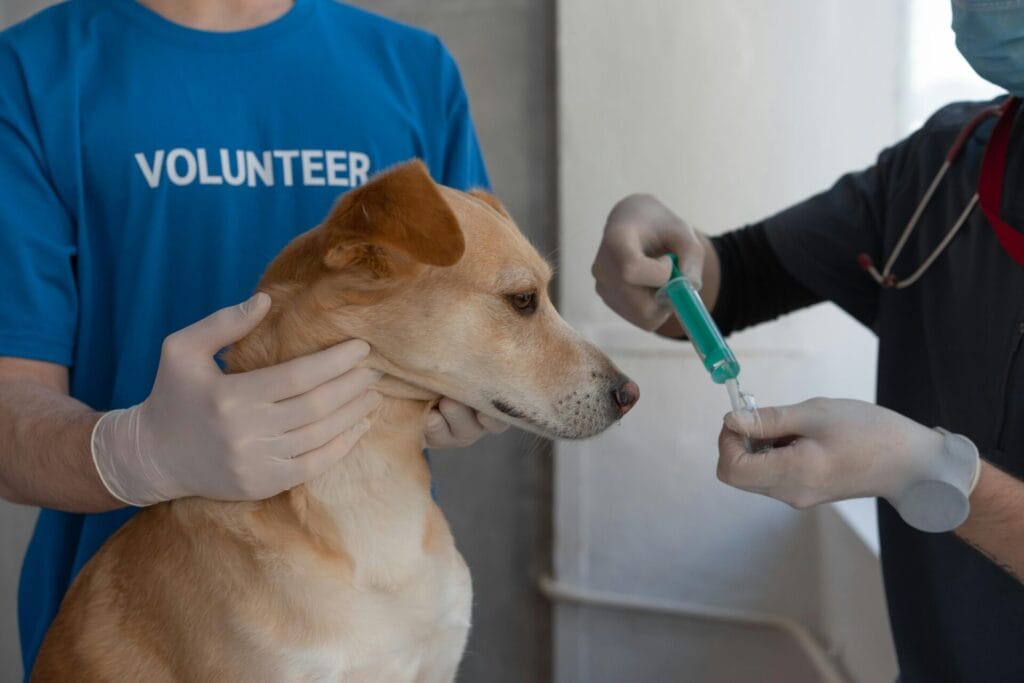
If your dog has an upset stomach, it may be time to visit the veterinarian. But how can you tell if it’s something a little TLC at home will take care of? First, check out how severe and how long the symptoms are.
If your dog has vomited for more than 24 hours, has bloody diarrhea, shows signs of dehydration, lethargy, pale gums, or difficulty breathing, call your vet.
Sometimes, however, minor digestive issues, minor cuts, or itching can be managed at home. Trust your instincts. You know your dog’s normal behavior better than anyone. A slightly off day may just need rest and bland food, but persistent symptoms lasting beyond 48 hours need a visit to the vet.
If you are in doubt whether to bring the animal to the vet, give your vet a quick phone call to help you decide.
Digestive Problems
Digestive problems are some of the most common problems you will run into as a dog owner. This can range from a little rumble in the tummy to something more serious such as persistent vomiting or diarrhea.
Most digestive problems can be treated with simple home remedies. Especially if you catch them early, and you know what to offer your pup. Gentle solutions to your dog’s upset stomach can often provide quick relief and help restore your dog’s comfort without the need for medication.
Read this pamphlet for safe and effective ways to help handle upset stomachs, diarrhea, vomiting, and constipation in your dog.
Dog Upset Stomach Remedies That Actually Work
When you dog’s stomach starts gurgling you know you are in for a rough day. Although when it comes to gastritis, you can treat mild gastritis with simple home remedies.
Try a 12-hour fast to let your dog’s digestive system reset, then introduce a bland diet of boiled chicken and plain white rice in a 1:3 ratio. Feed small amounts at 3-4 hour intervals, rather than large amounts which can further irritate the stomach.
I use plain canned pumpkin (about 1 tablespoon per 10 pounds of body weight) for upset stomachs. You can also offer bone broth as a liquid to drink.
If symptoms persist beyond 24 hours, contact your veterinarian immediately.
Dog Diarrhea Remedies: What to Give and What to Avoid
Some dogs may also have diarrhea along with stomach upset. A bland diet of boiled chicken and plain white rice can help firm up the stools within 24-48 hours.
Feeding four small meals daily will help your dog’s stomach to digest the food more easily. Feed a tablespoon of plain canned pumpkin per every ten pounds of body weight to help your dog’s digestive tract, but make sure you are not feeding them canned pumpkin pie filling! Probiotics formulated for dogs may help to restore healthy bacteria to the gut following bouts of vomiting and diarrhea. You may also want to consider adding natural fiber sources.
Also avoid dairy products, fatty foods and table scraps, as these will exacerbate symptoms. Make sure fresh water is available, as diarrhea will cause dehydration rapidly.
If your dog’s stools are bloody, and he shows signs of fever (is very warm or hot to the touch) or lethargy, you should contact your veterinarian immediately. These signs can indicate a serious condition.
Dog Vomit Remedies: How to Calm a Nauseated Dog at Home
Occasional vomiting in dogs is often a minor stomach upset that will pass on its own. However, if your dog vomits several times, then it is best to withhold food for 12-24 hours. Provide fresh water so your dog doesn’t get dehydrated. After the fast, you can try introducing bland foods to help settle your dog’s stomach.
Here are home remedies to calm your nauseated dog:
- Fast then feed bland meals** Offer small portions of boiled chicken and white rice every 3-4 hours
- Keep water available – Provide ice chips if your dog can’t keep water down
- Try ginger – A small amount can settle upset stomachs naturally.
- Monitor for dehydration – Check gums and skin elasticity regularly
- Limit activity – Rest helps digestion recover faster
Contact your vet if your rabbit is vomiting for more than 24 hours. It is important to recognize these signs early as the rabbit can become seriously ill if this progresses.
Dog Constipation Remedies: Safe Ways to Get Things Moving Again
It’s something that every dog will experience at some point in their lives: constipation. And as every pet parent knows, going potty can get uncomfortable and a bit of a struggle.
If your dog has constipation, adding a little moisture and fiber to his diet will help it pass safely. Mix 1 to 4 tablespoons of canned pumpkin (not the pie filling) into your dog’s food. The pumpkin has soluble fiber, which can help soften your dog’s stool.
You can also increase water intake by adding low-sodium broth to kibble, making hydration more appealing. Gentle exercise, like a 15-minute walk, stimulates intestinal activity through movement.
If your dog hasn’t had a bowel movement in 48 hours, is straining, or passes blood, call your vet immediately. Some constipation is serious and requires medical attention. If your dog is constipated and has a chicken allergy, these homemade dog foods are right for them.
Skin and Coat Conditions
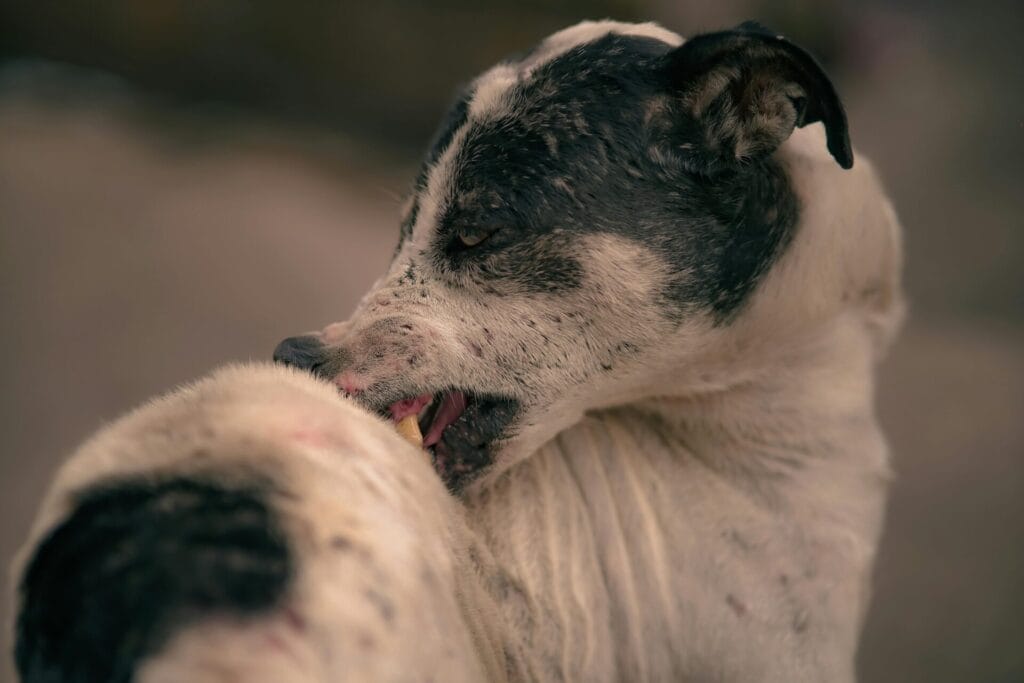
Your dog’s skin is their largest organ and when it’s irritated, you’ll know it quickly. They’ll scratch, lick, bite and you’ll see bald patches on your dog that will seem to pop up overnight.
Some of the most common reasons for a trip to the vet are skin and coat issues, whether you just have a case of the mild dandruff or if your dog is scratching with an angry hot spot or that infamous <strong>mysterious itch</strong>.
Fortunately, many of these issues can be successfully treated with a simple home remedy as long as you know what is causing the problem to begin with.
Dog Itchy Skin Remedy: Natural Ingredients That Stop the Itch
Dogs scratch for countless reasons, but when that occasional itch turns into constant pawing, biting, and rubbing, you’re dealing with a skin problem that needs attention.
If you want a natural remedy to soothe your irritated skin, try mixing some of the ingredients from your pantry together to make an exfoliant mask that will leave your skin feeling fresh and looking great.
Natural ingredients that relieve itching:
- Oatmeal baths – Colloidal oatmeal soothes inflammation and creates a protective barrier on irritated skin
- Coconut oil – Apply topically to dry patches twice daily for moisturizing relief; this natural oil is also known for its antibacterial properties that promote healing.
- Apple cider vinegar – Mix equal parts with water, spray on affected areas to balance pH
- Aloe vera gel – Pure gel reduces redness and cools hot spots instantly
- Chamomile tea – Brew, cool completely, then use as a calming rinse
Always try a small area first to make sure that the dog doesn’t have a bad reaction.
Dog Hot Spot Remedy DIY: How to Treat and Prevent Painful Flare-Ups
When you notice a big, red, oozing patch of skin on your dog overnight, chances are it’s a hot spot. Hot spots, or acute moist dermatitis, can grow in size from the size of a quarter to the size of a palm in a few hours.
You’ll need to trim the fur around the area and clean the spot at least twice a day with a solution of diluted chlorhexidine or an antiseptic wash. Pat the area completely dry.
Apply a thin layer of hydrocortisone cream or colloidal silver spray to the area to reduce the inflammation and fight the bacteria. Keep your dog from licking the area with an Elizabethan collar (the dreaded cone of shame also works).
The best approach in dealing with sore spots is to prevent them from occurring in the first place. So, it is best to find out the reason for the sores to deal with the root cause of it. If the sores are caused by fleas, ear infections or due to the anxiety of the dog, then it is important to do something to stop it. Also, you can use some natural remedies for yeast infections to give your dog’s immune system a boost and to maintain a healthy skin.
Dog Dandruff Remedy: Fixing Dry, Flaky Skin Without a Vet Visit
When you look at your dog’s dark coat and see little white flakes scattered everywhere, it may look like they have been out in the snowstorm. However, dog dandruff is more than just a cosmetic problem.
Dry, flaky skin is usually a sign of dehydration or poor diet. When it progresses to itchiness, it could lead to inflammation.
Simple fixes for dog dandruff:
- Add omega-3 fatty acids to meals through fish oil supplements or sardines.
- Brush daily to distribute natural oils and remove dead skin cells
- Use a moisturizing oatmeal shampoo every 2-3 weeks, not more frequently
- Run a humidifier in dry winter months to combat indoor heating effects
- Increase water intake by adding low-sodium broth to their bowl
Taking natural remedies can often improve your dog’s overall skin health and reduce the chance of future issues. These adjustments usually clears up the dandruff within 2 weeks of consistent use.
Dog Scratching Remedies: Identifying the Trigger Before You Treat
While all that scratching, thumping and jingling can be an annoyance, especially if you have an indoor cat, what you may not realize is that itchy cat ears are likely more than just a minor irritation.
Before you turn to remedies, it’s time to become a doggy detective to figure out what’s triggering your dog’s discomfort.
to check your dog for fleas, part your dog’s fur and look for tiny black specks (these are actually flea droppings).
Environmental allergies from things such as pollen, dust mites, and mold may cause you to scratch around the clock in the summer, but not in the winter.
The more difficult to diagnose sensitivities are often year-round itching, especially around the face, paws and ears.
In contact dermatitis, your dog has a reaction when they come in contact with something that irritates their skin, such as lawn chemicals or cleaning products.
Hot spots, dry skin, and mange mites are other possible causes.
There are also many home remedies that can help reduce dog skin allergies caused by these sources, providing your dog some relief.
Allergies and Pest Relief

When your dog starts scratching constantly, develops red patches, or starts attracting fleas, you might be dealing with some of the most common canine health issues.
Allergies can come from food, seasonal pollens or the environment. If left untreated, these allergies can make your pooch very uncomfortable. Additionally, yeast infections in dogs are often associated with skin irritations from allergies.
Luckily you can use natural remedies for allergic reactions as well as fleas without resorting to chemicals that might cause other problems.
Dog Allergy Remedies: Food, Seasonal, and Environmental Relief
Dogs will scratch, lick and rub themselves on various parts of their bodies when allergies take hold. In addition, you will notice signs such as red skin, watery eyes and your dog may chew at its paws more often.
There are also remedies you can take that target your particular allergy. Whether it’s an allergy to food, pollen or something in the air, there’s no reason for you to be miserable.
Effective allergy relief strategies:
- Switch to limited-ingredient or hypoallergenic dog food to identify food sensitivities
- Wipe your dog’s paws and coat after outdoor walks to remove pollen and allergens
- Add omega-3 fatty acids to reduce inflammation and improve skin health
- Use an air purifier in your home to reduce dust mites and mold spores
- Bathe your dog weekly with gentle, oatmeal-based shampoos during allergy season
You may also consider using natural flea remedies for dogs to further improve your dog’s comfort and health.
These methods, together, help to minimize allergic reactions and keep your dog comfortable year-round.
Dog Flea Remedies: Home Treatments That Work Without Harsh Chemicals
Une petite broche peut rapidement devenir un problème dans les cheveux de votre chien ainsi qu’à votre maison en quelques semaines si vous n’êtes pas prêt à lutter contre cela. La bête deviendra colossale…
You need to control both your dog and your environment for effective control.
Make a natural flea spray by mixing one cup of apple cider vinegar with three cups of water. Spray your dog’s coat every other day.
Sprinkle on the carpets and bedding 48 hours before vacuuming for a flea dehydrating powder that is not toxic.
You can also add a teaspoon of brewer’s yeast daily to your dog’s food, which will make their skin less appealing to fleas.
Wash bedding once a week in hot water. Vacuum your bed thoroughly at least every few days and immediately dispose of the bag outside your house.
Paws and Oral Health

Your dog’s paws get beat up every single day, whether they’re walking on hot pavement, icy sidewalks, or rough terrain that leaves their paws cracked and sore.
Meanwhile, that doggy breath you’ve been trying to ignore could be telling you something about your pet’s oral health, from a simple diet issue to gum disease.
Here are a few natural remedies to keep those paws protected and that mouth fresh, so your furry pal is comfortable from the ground up.
Dog Paw Remedies: Cracked, Burned, and Irritated Paw Relief
If your dog’s paws get burned by hot pavement, winter salt, or rough terrain, you will likely see her lick them or hobble around the house.
THIS NEEDS TO BE CLEARED TO PREVENT IT FROM GETTING INFECTED!!!!!
Natural remedies that soothe damaged paws:
- Coconut oil – Apply twice daily to moisturize cracked pads and form a protective barrier
- Epsom salt soaks – Mix 2 tablespoons per gallon of warm water, soak for 5 minutes
- Aloe vera gel – Use pure gel without additives to reduce inflammation and speed healing
- Vitamin E oil – Pierce capsules and massage directly onto affected areas before bedtime
- Paw balm – Choose beeswax-based formulas to seal moisture and prevent further damage
Keep your dog’s nails trimmed to avoid extra pressure on their pads while they are healing.
Dog Breath Remedy: What It Signals and How to Fix It Naturally
Bad breath in dogs is not only unpleasant, it is often the first sign of dental disease, digestive problems, or even kidney disease.
Make sure to check your dog’s gums when you’re doing their oral care check. Look for redness, swelling and tartar build up along the gum line. Also remember that parsley acts as a natural breath freshener and can be added to their meal daily. Coconut oil, a half teaspoon for every 10 pounds of body weight is a great addition to the diet to help with oral health and to fight bacteria. Raw carrots are an excellent dental chew for dogs.
However, if your dog’s breath smells fruity or extremely foul, you need to take him to the vet immediately, as this could be a sign of diabetes or kidney disease.
Home Remedy Ingredients Worth Keeping in Your Cabinet
Having a well-stocked cabinet of safe, effective ingredients on hand can save you time, money and stress if your dog needs quick relief from one of the following issues. You don’t need exotic supplies, just practical staples.
What are some natural remedies for dogs? Some common dog health issues can be treated with some simple, safe, and inexpensive household products.
Keep these essentials on hand:
- Coconut oil Soothes dry skin, aids digestion, and supports coat health when used topically or mixed into food
- Plain pumpkin puree – Settles upset stomachs and regulates digestion with its high fiber content
- Apple cider vinegar – Helps with ear cleaning and can deter fleas when diluted properly
- Chamomile tea – Calms anxious dogs and reduces minor skin irritations
- Oatmeal – Relieves itchy skin through soothing baths
These ingredients are all mild, inexpensive, and will take care of most common problems.
Warning Signs a Home Remedy Is Not Enough
Obviously, home remedies are a great solution for minor issues, but when you know that your dog’s condition requires medical attention, then you need to get him to see a professional.
If your dog’s symptoms are still present after 24-48 hours, or if they are getting worse despite treatment, you should call your veterinarian.
Watch for signs of an emergency, such as difficulty breathing, persistent vomiting or diarrhea, bleeding that won’t stop, seizures, or sudden collapse.
If the lethargy is extreme or you can tell your dog has not eaten for more than a day, or if you think your dog is in severe pain, take your dog to the vet immediately.
If you are still debating whether or not to bring your dog to the vet, trust your gut. If it seems wrong to you, then it probably is.
Puppies, senior dogs, and those with pre-existing conditions, are more vulnerable to complications.
Frequently Asked Questions
Can Home Remedies Be Used for Senior Dogs With Chronic Conditions?
Although home remedies should never be considered as replacements for veterinary care, they can help you and your senior dog as natural supplements, anti-inflammatory foods, gentle massage and herbal treatments to help complement the care prescribed by your veterinarian.
How Long Do Homemade Dog Remedy Solutions Typically Stay Fresh?
Most homemade dog remedy solutions can stay fresh for 3-7 days if refrigerated properly. Unused portions of the dog remedy should be discarded after this time period to avoid potential bacterial growth.
Are There Breed-Specific Considerations When Using Home Remedies?
Yes, that may be true. Sometimes the remedy that works wonders on your Great Dane’s joints will overwhelm your Chihuahua. As always, you will need to adjust dosages and consider your dog’s weight and his or her sensitivities and specific health issues, as well as your dog’s breed.
Can Puppies Safely Receive the Same Home Remedies as Adult Dogs?
You should not give puppies home remedies for dogs the same as an adult dog. Puppies are much more sensitive and you will need to give them less of a remedy than an adult dog. If you are going to give puppies home remedies for dogs it is always wise to ask your veterinarian first.
What’s the Proper Dosage Adjustment for Small Versus Large Breed Dogs?
Dogs require different amounts of medication. Small breeds usually only need one-quarter to one-half of the amount larger breeds need. Always calculate the dose based on the actual weight of your dog.
Conclusion
Now that you have a few tips to help your dog feel better, faster, you can get on with taking care of your best friend. According to the American Veterinary Medical Association, about 65% of minor health issues that your dog may have can be treated at home with proper care. That is why it is important to always follow your instincts and always call your vet if you feel like something is wrong. Although your dog is feeling better, it is important to not let anything go unnoticed. Keep your dog happy and healthy by combining the tricks above with your vet.

Amr Mohsen is a software engineer who traded his keyboard for a leash — at least on weekends. His love for dogs inspired him to share what he learns as a dog owner and enthusiast, bringing a detail-oriented, research-driven perspective to every article he writes. If it’s about dogs, he’s probably already looked it up twice.