You’ve probably heard of the “hype” on coconut oil for dogs. However, you may be wondering if it’s a good idea for your dog. While it can be a wonderful addition to your dog’s diet and help with his/her skin, coat, and digestion, coconut oil isn’t a miracle cure-all and can actually be harmful if used improperly. Before adding coconut oil to your dog’s dish, you should read this post!
Key Takeaways
- Coconut oil is great for your dog’s skin, gives them a boost of energy from MCTs, makes their coat shine, helps with digestion, and has antimicrobial properties from lauric acid.
- Start with ¼ teaspoon per 10 pounds daily, working up to 1 teaspoon per 10 pounds, divided into multiple servings.
- Don’t give coconut oil to dogs with pancreatitis, obesity, fat metabolism disorders, or sensitive stomachs without talking to your vet first.
- Use coconut oil to soothe dry paw pads, heal hot spots, and disinfect minor cuts and scrapes.
- Use USDA Organic, cold-pressed, virgin coconut oil and talk to your vet about dosage, medication interactions, and whether it’s safe for your dog.
Coconut Oil for Dogs: What You Need to Know
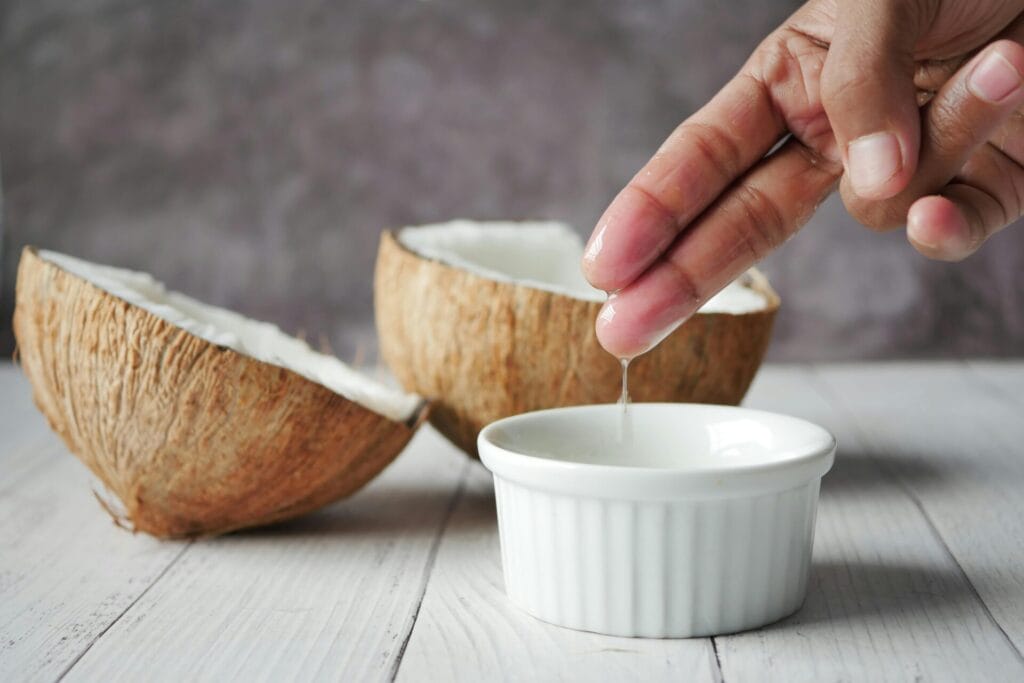
Before you go running out and include coconut oil into your dogs food or grooming routine, there are a few things you should know about this new product.
Coconut oil is not going to cure all of your dogs ailments and it may not do a thing for them. It will be different for different dogs.
By learning more about both sides, you can make an informed choice that is right for your dog.
Quick Pros and Cons Before You Start
But wait! Before you run to your local pet store to buy some coconut oil, there are a few things you need to know about the wonder drug for your dog. Even though coconut oil is a wonder drug for dogs, it is not a miracle cure and here are a few reasons why.
Pros:
- 3. Good for skin – Medium-chain fatty acids moisturize dry skin, reduce itching, and can help with hot spots and minor irritations.
- Energy boost – MCTs give an energy boost, which can help senior dogs or dogs with metabolic problems.
- 1. Shinier coat – Use of this shampoo will result in a shinier and softer coat that will have your neighbors asking what your secret is.
- 4. Helps with digestion – Coconut oil can help increase nutrient absorption and help with inflammatory bowel conditions.
Cons:
- High calorie content – One tablespoon has 120 calories, which can add up quickly for small breeds.
- Will I get diarrhea or greasy stools? Too much, too fast.
When Coconut Oil Is Safe—and When It Isn’t

It’s not that many dogs cannot eat coconut oil, but rather that some dogs cannot eat it.
If your dog has pancreatitis, high cholesterol, or is obese, the saturated fats in coconut oil (12 grams per tablespoon) may aggravate the condition.
You should always consult your vet before adding coconut oil to your dog’s diet. This is especially important if your dog is managing a chronic illness.
Dogs Who Should Avoid Coconut Oil
While coconut oil is a great option for many dogs, it may not be the best for all your four-legged friends.
Dogs who should avoid coconut oil include:
- Dogs with pancreatitis or a history of it – The high fat content can trigger a painful flare-up.
- Overweight or obese dogs – Coconut oil is 120 calories per tablespoon. Your dog doesn’t need any extra calories.
- Dogs with fat metabolism disorders – Hyperlipidemia is where their bodies can’t process fats properly. Coconut oil will only make things worse.
- Dogs with diarrhea or sensitive stomachs – Even small amounts can cause upset stomach, loose stools, and general discomfort.
But be careful if your dog eats coconut oil and his health changes in any way (especially if he has any digestive problems). Always ask your vet before giving your dog coconut oil.
Real Benefits You Can Expect (Not Hype)
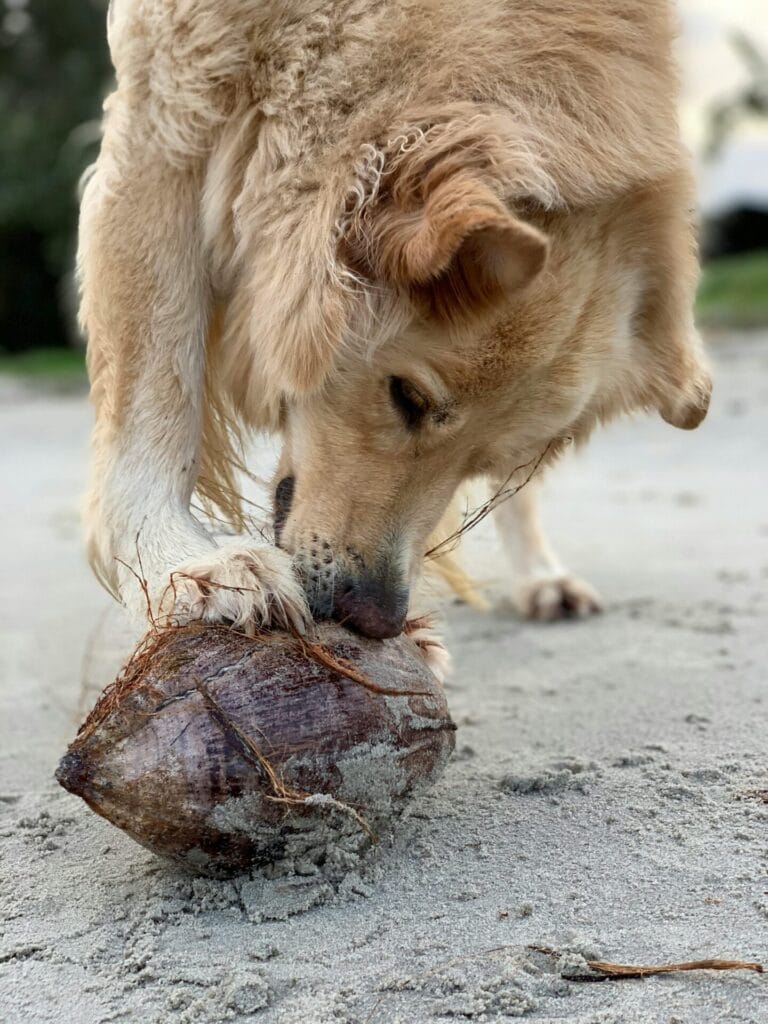
You might have heard that coconut oil can turn your dog’s dry, flaky skin into a silky masterpiece overnight. I’m here to tell you if it’s true or just a myth.
Benefits are a little help for dry skin and a shiny coat. And a little help with itchiness. Your dog will probably stop itching if you use it regularly, but not a miracle cure. Probably takes 2-3 weeks.
Skin, Coat, and Itch Relief Basics
Wait, before you go dousing your dog in coconut oil, let’s talk about what it actually does for skin and coat issues.
Another benefit of coconut oil is that it contains lauric acid, an antimicrobial that could help soothe minor skin irritations.
Here’s what you can realistically expect:
- Moisturizes dry, flaky skin like lotion moisturizes yours.
- It brightens up dull coats by conditioning the hair shafts with fatty acids.
- It can help with mild itching from dryness, but it won’t cure allergies.
- Soothes hot spots: Creates a barrier while antimicrobial properties help healing.
Apply sparingly to affected areas or add 1/2 teaspoon for every 10 pounds of your dog’s weight to your dog’s food for internal benefits.
Risks, Side Effects, and How to Avoid Them
14. It’s OK to write about your dog. Just don’t get carried away. Your dog will let you know if you do.
1. Diarrhea 2. Greasy stools 3. Weight gain 4. Upset stomach (within hours of feeding)
If your dog seems lazy, is vomiting or having stomach problems, try cutting back on his meals or even skip them altogether.
Signs You’re Giving Too Much
Coconut oil is a great addition to your dog’s diet, just don’t use too much of it or you could even be canceling out some of its benefits!
Watch for these telltale signs that you’re overdoing it:
- 1. Diarrhea or loose stools – This is the most common sign, and it usually occurs within a few hours of eating.
- Greasy coat or skin – You apply the topical treatment to your dog’s skin, and yet the fur still feels oily days later.
- Weight gain – Those extra calories add up fast, as coconut oil has 120 calories per tablespoon.
- Pancreatitis symptoms – Vomiting, abdominal pain, lethargy, or loss of appetite that requires urgent veterinary attention.
If any of these sound like you, take a step back or cut down.
If you find that your symptoms are getting worse and your skin is breaking out after reintroducing coconut oil, you can go back to using coconut oil but in smaller doses.
Exactly How Much Coconut Oil to Give
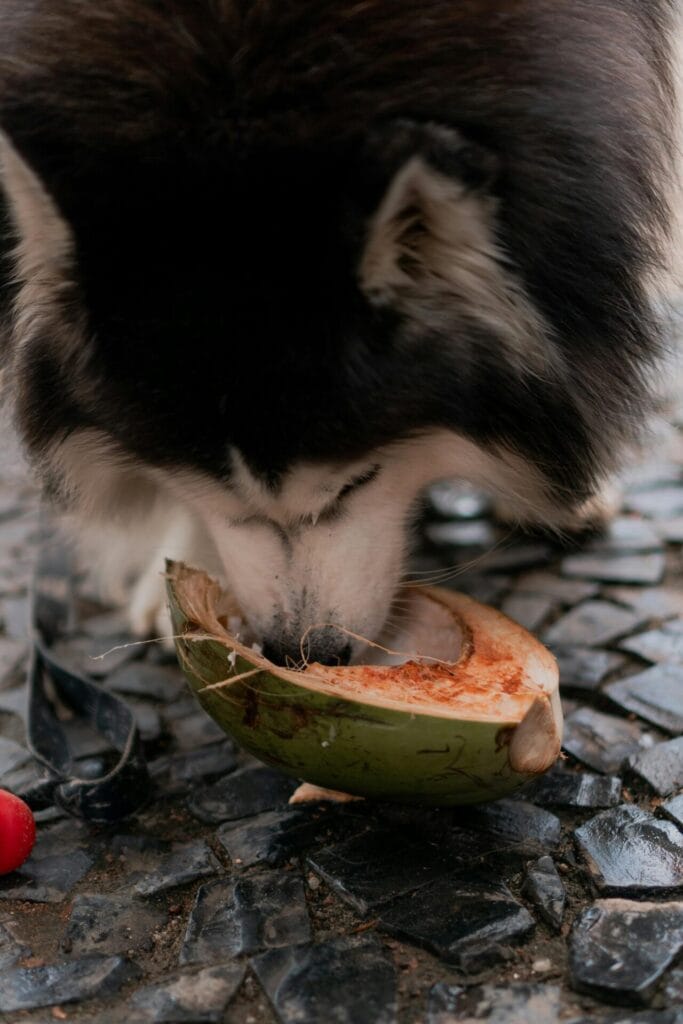
There is a correct way to dose coconut oil and the good news is that dosing coconut oil is very easy. Dosing coconut oil is based on the weight of your dog.
I think you should start with a little less than the recommended dose and then over a week or two gradually increase it so that your dog can get used to it.
any vet will tell you to give about 1 teaspoon per 10 pounds of body weight daily. you can do it all at once if you want or break it up.
Simple Weight-Based Portion Guide
I take 1/4 teaspoon of your product for every 10 pounds of body weight (ie. 5 pounds, 1/2 teaspoon; 50 pounds, 5 teaspoons; etc…). I take it once per day.
You will start out with a smaller amount, but after a few weeks you can increase this as your dog’s stomach gets used to the supplement.
Here’s your quick reference guide:
- Medium dogs (25-50 lbs): ½ to 1 teaspoon daily Small dogs (10-25 lbs): ¼ to ½ teaspoon daily
- Medium dogs (25-50 lbs): ½ to 1 teaspoon daily
- Large dogs (50-75 lbs): 1 to 1½ teaspoons daily
- Extra-large dogs (75+ lbs) : 1½ to 2 teaspoons daily
1. Peanut butter: Mix it into kibble, spread it on treats, or let them lick it right off the spoon.
For the most part I find that dogs love the taste so it is a piece of cake to administer.
Easy Ways to Add Coconut Oil to Your Dog’s Food
If your dog doesn’t care for plain coconut oil, or if your dog has a sensitive tummy, it’s time to get creative with your oils. Try mixing up some fancy oils.
How can you give your dog all the benefits of coconut oil without it being so obvious? Hide it in something you know your dog loves to eat.
Start with a 1/4 teaspoon at a time and increase the amount as your kitten gets used to the taste and texture.
Mix-In Ideas for Picky or Sensitive Dogs
So if your dog won’t take the plain coconut oil, here are some sneaky ways to get coconut oil into your dog’s diet.
Smart Mix-In Methods:
- 2. Mix with pumpkin puree – Stir in 1/2 teaspoon coconut oil with 2 tablespoons pure pumpkin for digestive support and a tasty treat.
- Stir into bone broth – Warm broth melts the oil completely, making it the perfect drizzle for kibble or rice.
- Mix with Greek yogurt – Plain, unsweetened yogurt will mask the texture of the oil and give your dog probiotics.
- Mix into wet food – Stir coconut oil into canned food before serving so it doesn’t separate.
If your dog has a sensitive stomach, start with a small dose and work your way up to the full dose over a few days.
Coconut Oil Uses Beyond the Food Bowl
I actually use it for my dog’s dinner as well as my dog’s dry, cracked paws and nose.
We’ve also found this to be great on hot spots (those pesky patches of inflamed skin that dogs just can’t seem to stop licking and scratching).
A few minutes of paw, nose and hot spot routine can be completed in a flash, but it makes a big difference, especially when the weather is rough or during allergy season.
Paw, Nose, and Hot Spot Care Routine
10. Paws, nose, and skin: Your dog’s paws, nose, and skin need some love, too. Coconut oil can be used to treat these often neglected areas.
Use it sparingly to help soothe any irritation, moisturize dry spots and speed healing.
Here’s your simple care routine:
- Cracked paws and dry noses: Rub a little into rough pads and crusty noses twice a day until they improve.
- Hot spots: Clean the area, then apply a thin layer of coconut oil 2-3 times a day to reduce inflammation.
- Minor cuts and scrapes: Apply dab oil to cleaned wounds once or twice a day for antimicrobial protection.
- Preventative maintenance: Apply weekly to paws and noses to keep them moist and healthy all year round.
How to Choose a Good-Quality Coconut Oil

In the aisle of your supermarket, there are a million jars of coconut oil that say “raw”, “pure”, and “natural”.
However not all of these labels are telling you anything about the quality and some are just marketing fluff.
Let’s take a look at some of these myths and see what they really mean for your dog’s health.
Labels and Claims That Actually Matter
How do you avoid buying a poor quality coconut oil that’s just well marketed? Look for labels that meet some real quality standards, not just buzzwords.
Look for these meaningful certifications and claims:
- USDA Organic certification – The coconuts weren’t treated with synthetic pesticides or fertilizers. That’s good for your dog’s health.
- Cold-pressed or expeller-pressed – These processes preserve the compounds that heat destroys.
- Virgin or extra-virgin – The oil is from the first pressing and contains the most nutrients.
- Non-hydrogenated statement – Hydrogenation creates trans fats, which you definitely want to avoid.
Words like “natural” or “pure” sound nice, but not being regulated, they have no meaning.
Stick with verifiable certifications instead.
When to Call Your Vet About Coconut Oil
Make sure you check with your vet before you add coconut oil to your dog’s diet. Especially if your dog has any health issues.
If your dog suffers from pancreatitis, is overweight, or has a sensitive stomach you may want to avoid coconut oil because it contains 14g of fat per tablespoon.
I would ask your vet how much coconut oil you should give your dog and if they should have any at all based on their health history.
Questions to Ask if Your Dog Has Health Issues
I like coconut oil for dogs and I really like adding coconut oil for dogs to my dog’s routine however there are a few times when I recommend checking with your vet before you start adding it to your dog’s routine.
Does your dog have any pre-existing conditions? When you ask the right questions you are able to make the right choices for your dog’s health.
Consider these important questions for your vet:
- How will coconut oil interact with my dog’s current medications or supplements? Some medications may be affected by the high fat content.
- What dose is safe for my dog’s weight, age, and health? Pancreatitis-prone dogs need special care.
- Should I avoid coconut oil entirely with conditions like hypothyroidism or pancreatitis?
- What symptoms should make me stop using coconut oil immediately? If you get diarrhea, vomiting, or lethargy, stop using coconut oil.
Frequently Asked Questions
Can Puppies Have Coconut Oil at the Same Dosage as Adult Dogs?
no i wouldnt give a pup the same as a dog i would start off with less like a 1/4 teaspoon a day. you would have to check with your vet on the size of your puppy.
Does Coconut Oil Expire or Go Rancid After Opening the Container?
Yes coconut oil can go bad after opening but it is good for a very long time than other oils. It will go bad if it starts to smell, change color or taste bad or sour.
Can Coconut Oil Interact With My Dog’s Current Medications or Supplements?
If your dog is taking any medication, please check with your vet before giving coconut oil to your dog. Examples of medications that may be contraindicated with coconut oil include blood thinners, diabetes meds and thyroid pills.
Is Refined or Unrefined Coconut Oil Better for Dogs With Allergies?
If you have a dog that is allergic to regular dog food and other dog treats, it is recommended that you give him unrefined coconut oil for dogs. This is because it is not as processed and it has most of the good properties in it and it does not have any additives or chemicals that may cause allergies.
Can I Use Coconut Oil Meant for Human Cooking for My Dog?
Yes, you can use coconut oil for dogs. Make sure it’s human grade, pure, organic and free from additives. Coconut oil for dogs should not have sweeteners or flavourings added. Begin by using a small amount and watch your dog for side effects.
Conclusion
Coconut oil is another thing that might help, but not a cure all. Go slow, watch for any digestive upset and make sure you are getting a good product. I’ve heard it helps with coat shine and skin health, but as with all dogs, it may not work for yours. Your vet’s advice will trump anything you read online, including this blog.

Hi, I’m Ali Tarek, co-founder of Animalsman. I’ve always been passionate about pets, especially dogs and cats, and I created this website to share practical tips, easy recipes, and helpful care advice for fellow pet lovers. My goal is to make pet care simple, enjoyable, and accessible for everyone. When I’m not writing or curating content, you’ll usually find me spending time with my furry friends or learning new ways to keep them happy and healthy.