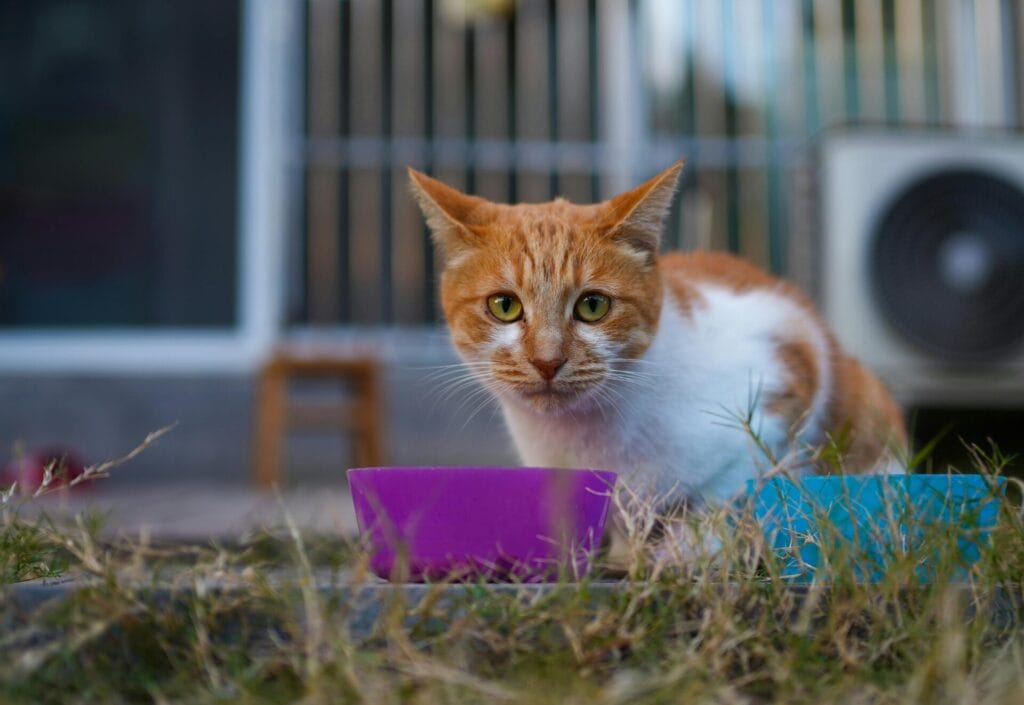
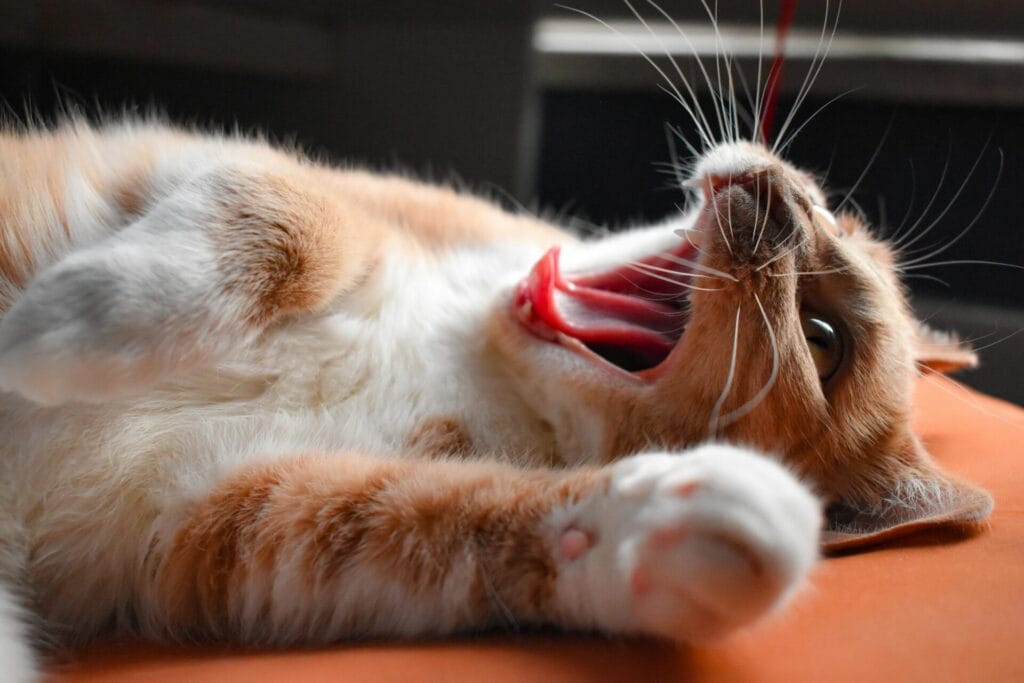
You’ve noticed your cat sleeping more than usual, maybe skipping meals or ignoring their favorite toy, and now you’re wondering if something’s actually wrong. The tricky part? Cats naturally sleep 12-16 hours a day, so it’s not always clear whether your cat is a professional napper or if your cat needs a vet. Before you panic or dismiss it, here are specific signs you need to watch for that’ll tell you exactly what’s happening.
1. Introduction
2. What is a Product Market Fit?
3. Importance of Product Market Fit
4. How to Measure Product Market Fit?
5. How to Build a Product Market Fit?
6. Conclusion
7. References 1. Introduction Every company and organization have one goal: to provide value to customers and make a profit. The first step towards achieving this goal is to identify and understand the market. The process of identifying and understanding the market is called product market fit. A product market fit is a fundamental concept in the business world, and it is the primary determinant of a company’s success. The importance of product market fit cannot be overstated. 2. What is a Product Market Fit? Product market fit refers to the degree to which a product or service meets the needs and expectations of its target customers. In other words, it is a measure of how well a product or service fits the market it is designed for. A product market fit can be achieved by understanding customer needs and designing a product or service that meets those needs effectively. 3. Importance of Product Market Fit A product market fit is critical for a company’s success. A product that does not fit the market will not sell, regardless of how well it is marketed or how attractive its features are. In contrast, a product that fits the market will be embraced by customers and will generate revenue for the company. Therefore, it is essential to understand the market and ensure that the product fits the market before launching it. 4. How to Measure Product Market Fit? Measuring product market fit can be challenging. However, there are several metrics that can be used to measure product market fit. These include customer acquisition costs (CAC), customer lifetime value (CLV), net promoter score (NPS), and product-market fit (PMF) score. By monitoring these metrics, a company can determine whether its product is achieving a product market fit and make adjustments as needed. 5. How to Build a Product Market Fit? Building a product market fit requires a comprehensive approach that includes understanding customer needs, designing a product that meets those needs, and testing the product with customers. This process involves several steps, including: – Identifying the target market: The first step is to identify the target market and define its characteristics, including demographics, behaviors, and needs.
– Developing a value proposition: The next step is to develop a value proposition that addresses the needs of the target market. This involves identifying the key benefits of the product and communicating them effectively to customers.
– Building a minimum viable product (MVP): The next step is to build a minimum viable product (MVP) that can be tested with customers. This MVP should be a simplified version of the final product, with only the essential features required to test the value proposition.
– Testing the MVP: Once the MVP is built, it should be tested with a small group of customers to gather feedback. This feedback can be used to refine the MVP and improve its fit with the market.
– Launching the product: Once the MVP is refined and improved, it can be launched to the market. It is essential to monitor customer feedback and usage data to ensure that the product continues to fit the market and is meeting customer needs. 6. Conclusion A product market fit is critical for a company’s success. By understanding customer needs and designing a product that meets those needs, a company can achieve a product market fit and generate revenue. By monitoring key metrics, such as customer acquisition costs, customer lifetime value, net promoter score, and product-market fit score, a company can determine whether its product is achieving a product market fit and make adjustments as needed. Building a product market fit requires a comprehensive approach that includes understanding customer needs, designing a product that meets those needs, and testing the product with customers. By following these steps, a company can achieve a product market fit and succeed in the market. 7. References – “The Lean Startup: How Today’s Entrepreneurs Use Continuous Innovation to Create Radically Successful Businesses” by Eric Ries (2011)
– “The Mom Test: How to Talk to Customers & Listen to the Truth” by Rob Fitzpatrick (2017)
– “Zero to One: Notes on Startups, or How to Build the Future” by Peter Thiel (2014)
– “The Four Steps to the Epiphany: Successful Strategies for Products that Win” by Steve Blank (2005)
Key Takeaways
- Cats normally sleep 16 hours daily; lethargy shows dull eyes, hunched posture, stationary behavior, and decreased grooming habits.
- Chronic conditions like arthritis, dental disease, kidney disease, anemia, and thyroid problems commonly cause exhaustion in cats.
- Seek veterinary evaluation if lethargy persists beyond two days, as serious underlying conditions may require immediate treatment.
- Stressful environments from new pets, loud noises, or household changes can drain mental energy and cause exhaustion.
- Urgent symptoms requiring immediate attention include open-mouth breathing, pale gums, extreme hiding, urination difficulties, or abnormal stools.
Figuring Out if Your Cat Is Just Lazy or Truly Lethargic
I’m sure you’ve noticed your cat sleeps 16 hours a day and wondered if that’s normal or if something is wrong.
The truth is, cats are actually champion sleepers. But real laziness looks a lot different than their usual lazy afternoon sprawl.
If your cat’s energy dips below their norm, you’ll notice telltale signs in how they carry their body, react to favorite activities, and move around. You can also keep your cat active with cute dog stuff ideas to better monitor their activity level and improve their quality of life.
The difference between a normal cozy nap and a worrying lack of energy
Cats can sleep up to 16 hours a day, so it’s tough to know if your cat is just having its usual marathon napping sessions or if it’s actually just too tired. A healthy, sleepy cat will be up and ready to go when you shake the treat bag or call dinner. They’ll stretch, yawn, and walk over with their usual enthusiasm.
A slow cat, in contrast, will stay still or move slowly, with little zest for the things he adores.
Check for position changes, too. Normal nappers will move around, from a sunny windowsill to a warm bed. But a really tired cat will stay in one place for a long time—24 hours or more.
Their body language is different as well. Healthy sleepers are relaxed and peaceful looking, while lazy cats look limp, unresponsive, or even still when they’re awake. If your cat has shown any behavioral changes lately, there might be an underlying issue that needs to be addressed.
Subtle body language clues that show your cat is actually feeling drained
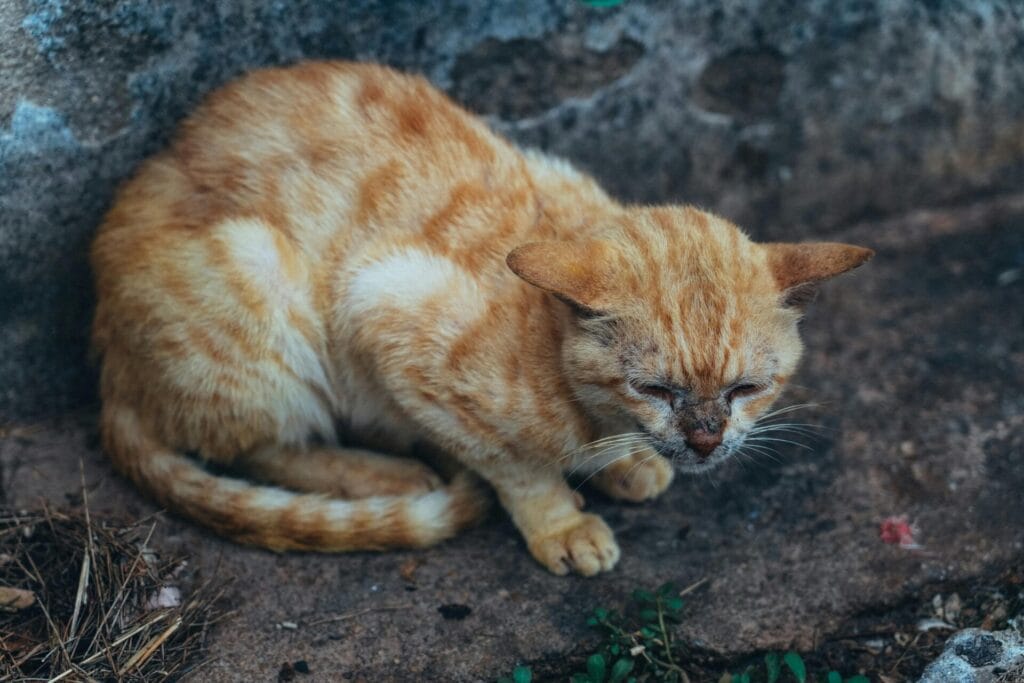
The eyes tell the first story. A lethargic cat’s eyes look half-closed, dull, or unfocused, even when you’re holding their favorite treats. Their pupils might stay constricted or dilated no matter the light.
4. Whiskers: They’ll droop forward or hang loosely instead of standing up straight with curiosity. A completely drained cat sits hunched, tucking their paws in, making themselves small and still. Their tail doesn’t change.
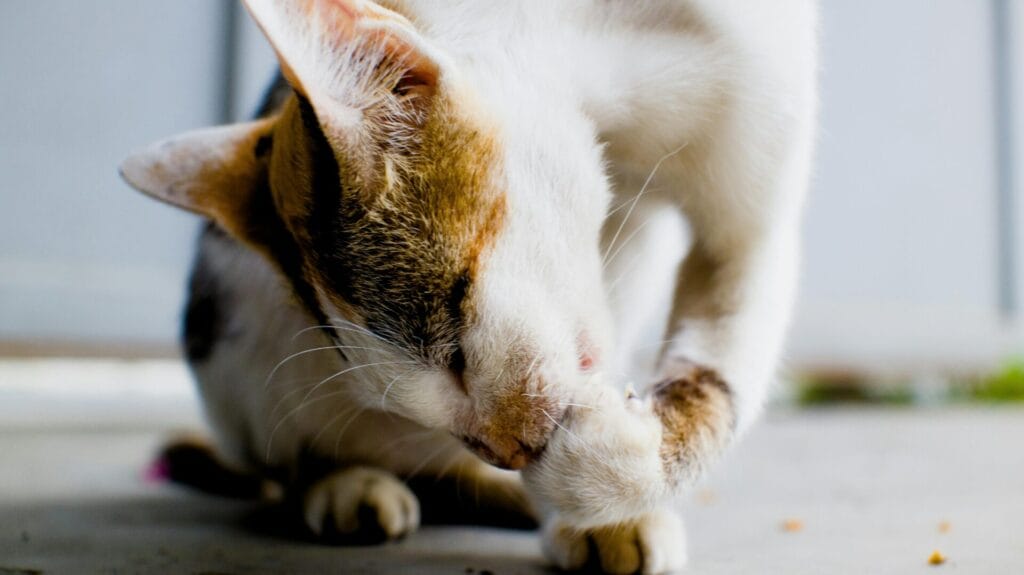
Their ears will flatten sideways or backwards, not from anger, but from sheer disinterest. And you’ll notice that they don’t groom themselves properly, and their coat will be unkempt and greasy.
If you pet them, they won’t lean into your hand or purr. They’ll just tolerate it or weakly pull away. This can be a sign of a bigger health problem, so keep an eye out for other signs of stress in your cat.
Common Medical Reasons Your Cat Suddenly Has Zero Energy
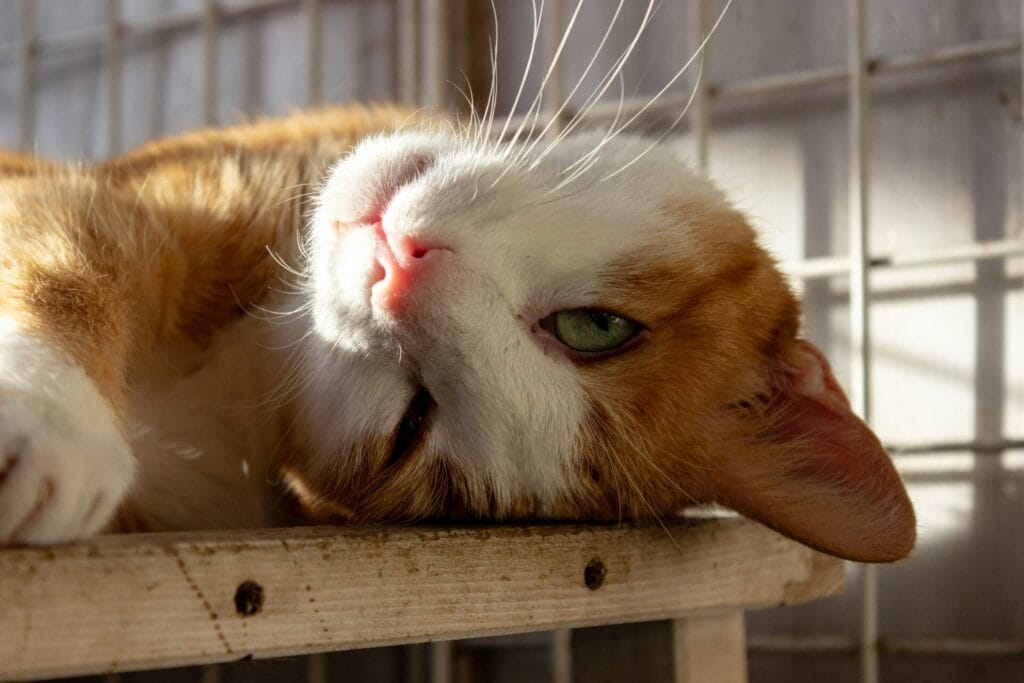
Sometimes, your cat isn’t just being lazy. It could be a medical red flag waving in your face.
There are a host of reasons why your dog may not be getting enough exercise, from arthritis to dental disease to anemia, kidney disease or thyroid problems. In many cases, these conditions can turn your once-active companion into a couch potato who barely moves.
So, let’s look at the specific maladies that secretly suck the energy out of your cat, because catching these early means your furry friend gets back to knocking things off counters much sooner. One of the common medical reasons for increased lethargy can be connected to problems that also affect other pets, like dogs.
How silent issues like arthritis or dental pain slowly steal their daily pep
She may just seem like she’s getting old, but sometimes the pain is hidden, and can be mistaken for just being tired.
Arthritis will creep into your joints and you can’t just jump up on counters or climb stairs. It feels like a marathon. Your cat won’t complain, she’ll just sleep more and move less.
Dental disease is much the same: every meal becomes a painful, energy-sapping ordeal. A cat with a broken tooth or gingivitis might eat less, lose weight and spend hours resting instead of playing.
This isn’t likely to happen gradually over months or years.
Watch for signs of decreased grooming, or refusal to jump. Sometimes just a change in energy or behavior can be helped by a few natural remedies.
Sneaky illnesses like anemia or kidney trouble that make cats hide and sleep
Unlike arthritis, which warns you with stiff movements, internal diseases creep up silently and rob your cat of his energy reserves before you even know he’s sick.
Anemia (where red blood cell counts drop too low) turns your once-playful hunter into a sleepy lump who hides in dark closets.
3. Chronic Kidney Disease – This is a common disease in cats over 10 (30-40% of cats). The kidneys can’t remove the toxins from the bloodstream, making the cat feel nauseous and weak.
Hyperthyroidism, diabetes, heart disease can also suck your energy and make you feel like you’re just getting old.
They’re progressive, so you might just write it off as laziness. Your cat will hide his illness and stay in quiet spots, sleeping a lot, and keeping to themselves.
Blood work will catch these silent saboteurs early, so if your cat is exhausted for more than two days, you should have a veterinary checkup. An unbalanced diet can also affect your cat’s health and energy.
Why senior cats slow down and when it points to an actual thyroid problem
If your 14-year-old cat’s afternoon naps are turning into all-day sleep-a-thons, it might be part of normal aging, or it could be hyperthyroidism playing a sneaky trick on their metabolism.
It’s true that older cats slow down. They sleep 16-20 hours a day instead of the 14 hours they used to sleep. But hyperthyroidism creates a confusing picture: your cat might seem paradoxically exhausted despite weight loss and increased appetite.
Your thyroid gland is working overtime and your heart is racing and your energy is burning. You’re feeling restless and exhausted and your coat isn’t as good as it used to be and maybe you’re a bit irritable.
Hypothyroidism (though it’s less common in cats) will slow down your kitty and can cause weight gain. Your vet can run blood tests to check your cat’s T4 levels to see if it’s just old age or if there’s a real metabolic problem that needs medication. Plus, a balanced homemade cat food will give your cat all the nutrients they need to keep their energy up.
Stress and Boredom as Invisible Energy Killers
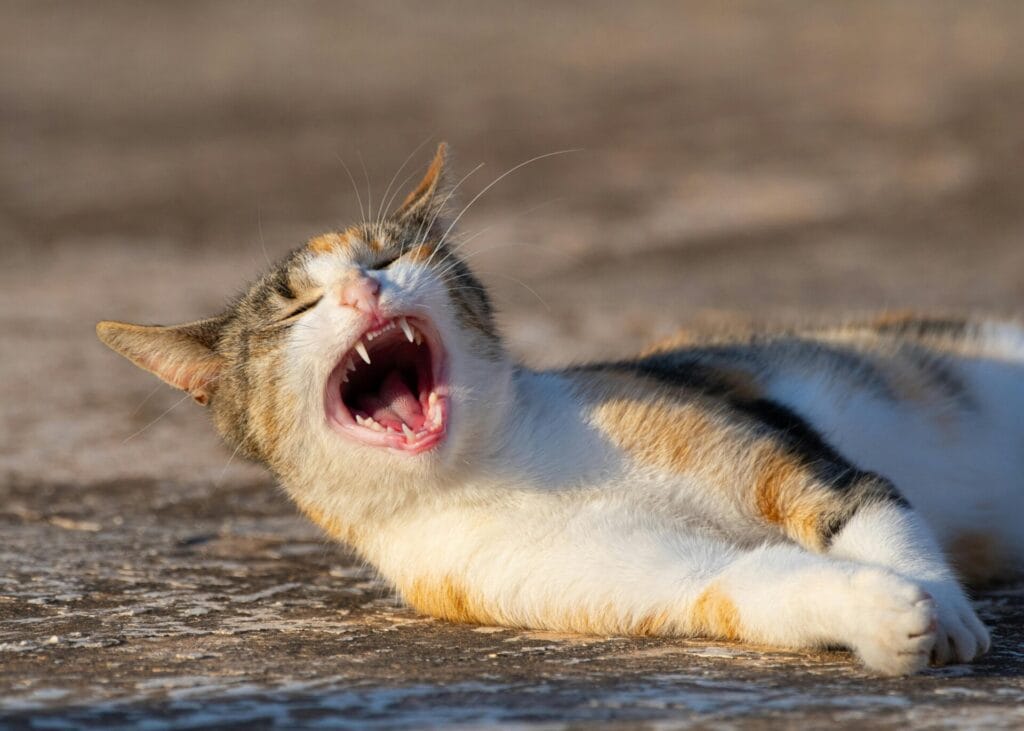
Your cat might be healthy, but they’re mentally exhausted. You wouldn’t know it from a vet visit alone.
If you have a chaotic household with screaming toddlers, construction noise next door, or that new puppy you brought home, you can drain your cat’s emotional reserves as quickly as any illness.
The hard part is figuring out if your cat is actually sick or if she’s just plain sick and tired of the daily circus and sleeps 20 hours a day because she’s so mentally exhausted from it all. A dog barrier can help by eliminating distractions and making your cat feel more secure.
How a chaotic home, loud noises, or new pets can mentally exhaust your cat
3. If your cat lives in a stressful environment every day, their mental energy is depleted as much as if they’d spent hours chasing toys. A chaotic household with lots of noise, visitors, or construction work keeps your cat on edge, which is mentally tiring.
A loud TV, doors slamming, kids running through the house can all cause stress, and when this happens day after day, it can take its toll. A new pet can cause territorial anxiety, making your cat always on guard and having to assess their safety every moment.
Small changes, like moving the furniture around or using new cleaning products that have weird scents, can cause stress that can last for weeks. Your cat may sleep more, hide more, and not want to play as much.
This hypervigilance depletes cortisol reserves and leaves them chronically tired, withdrawn, and emotionally drained. In some cases, it may even lead to physical symptoms like dog upset stomach remedies that need to be treated for your pet’s well-being.
Signs your indoor cat is just bored to tears rather than physically sick
In addition to other potential environmental stressors that drain your cat’s energy, boredom can also be a common culprit that’s often misdiagnosed as illness. Your indoor cat may appear lethargic, but she’s really just understimulated and mentally checked out from the same old routine.
This is what boredom-induced exhaustion looks like:
- Excessive sleeping beyond the normal 12-16 hours daily, often appearing disinterested when you attempt interaction
- Destructive behaviors like scratching furniture or knocking items off counters, which signal pent-up energy seeking an outlet
- Weight gain combined with decreased playfulness**, creating a cycle where inactivity leads to more inactivity
Unlike being sick, bored cats are immediately interested in new stimuli, new toys or playtime. They’re waiting for engagement, not a vet. You can also use high quality treats during playtime to help get them interested.
Safe Health Checks You Can Do at Home Right Now
You don’t need a vet degree to spot warning signs early, and honestly, some of the most revealing clues are hiding in your cat’s litter box and water bowl.
Look for clusters that seem to be missing or much larger or smaller than usual. These changes could indicate kidney, diabetes or urinary problems before your cat is showing other signs.
And while you’re at it, lift your cat’s lip to look at the color of their gums (healthy pink, not pale or bright red) and measure their daily water intake for a few days to get a sense of what’s normal for them.
Checking the litter box for missing clumps or totally strange bathroom habits
Your cat’s litter box is a gold mine of information about your cat’s health, and yes, you should be paying attention.
When your cat is as exhausted as you are and is also having bathroom problems, that’s a red flag. Make sure to check daily for these warning signs:
- Missing or smaller clumps might indicate dehydration or kidney problems, especially if you’re scooping less frequently than usual.
- Straining without producing much could signal a urinary blockage, which is a genuine emergency requiring immediate vet attention.
- Diarrhea or unusually soft stools combined with lethargy often points to infections, parasites, or digestive upset.
If something seems off, take a photo with your phone. Your vet will thank you, even if it feels strange.
Looking at their gum color and tracking exactly how much water they drink
The litter box will tell you what’s coming out, but checking your cat’s hydration will tell you what’s going in. Both are important to monitor when you’re looking at exhaustion.
Lift your cat’s lip and look at its gums. They should be slippery-wet and pink, not tacky or pale. Press your finger against the gum tissue, then let go; the color should return within two seconds. That’s called capillary refill time.
For water intake, measure what you pour into their bowl each morning, then measure what’s left 24 hours later. Most cats need roughly one ounce per pound of body weight daily.
If your 10-pound cat isn’t drinking about 10 ounces, or if you notice their gums are dry, it could be dehydration making them lethargic.
When to Stop Googling and Call Your Vet Immediately
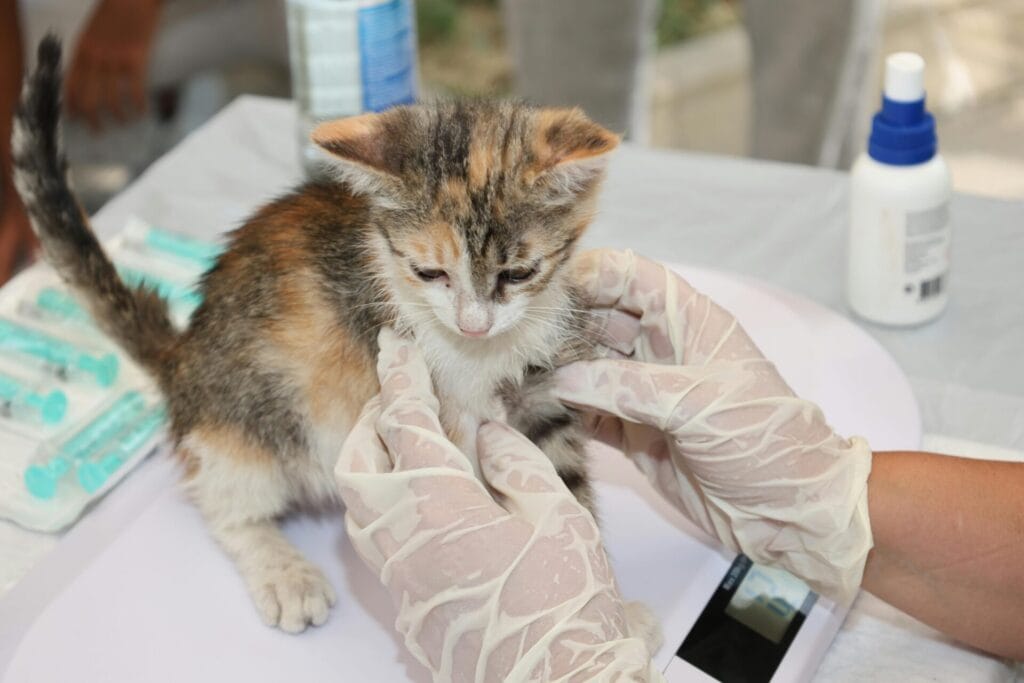
Google can be a useful tool, but only until it’s not, and sometimes, the signs mean you need to close your browser and call the vet right away.
Open-mouth breathing in a resting cat, gums that look white or gray rather than healthy pink, or your usually social cat hiding for more than 12 hours straight are all reasons to call your vet immediately.
Before you call the vet, write down what you’ve noticed, including when the symptoms started, any behavior changes and whether your cat is eating or using the litter box, because these details help your vet diagnose the problem more quickly.
Red flag symptoms like open-mouth breathing, pale gums, or extreme hiding
There are some symptoms that warrant dropping everything and rushing to the vet, no matter what time it is or how certain you are you’re overreacting.
4. Open-mouth breathing in cats is not like a dog panting. It means your cat is in respiratory distress, heart failure, or severe pain. If your cat is breathing with its mouth open, this is a 911 situation.
Pale or white gums indicate shock, anemia or internal bleeding. Gums should be pink, not gray or ghostly white.
If your cat is hiding PLUS lethargic, something is really wrong. Cats are natural hiders, so if your cat can’t hide it anymore, it’s at a critical point.
- Bluish gums or tongue (lack of oxygen)
- Collapse or inability to stand
- Seizures or loss of consciousness
These symptoms are running your life, your sleep, and your weekends. Trust your gut.
How long you should realistically wait before booking an urgent appointment
How long must you wait until your cat starts acting strange?
The real answer? If you see red flags, don’t wait. Open-mouth breathing, collapse, or extreme lethargy? Same day, period.
For smaller problems, like your cat sleeping more than usual but still eating and moving around, a 24-48 hour watch-and-see approach is fine.
Observe their appetite, litter box habits and energy levels. If things aren’t getting better, or if new symptoms crop up, get that appointment.
Go with your gut. You know your cat’s normal behavior better than anyone. If something just doesn’t sit right, it’s time to call.
Important details to write down so your vet can solve the puzzle much faster
You’re going to call the vet, but what are you going to say? “He seems tired.” Not going to fly.
Your vet can’t see what happened three days ago, so writing down the specifics before your appointment makes diagnosing the problem faster and easier.
These are all great.
- Timeline specifics: When did the lethargy start, and has it gotten progressively worse, stayed constant, or come in waves?
- Behavior changes: Note decreased appetite, hiding more than usual, reduced grooming, or changes in litter box habits.
- Physical symptoms: Record any vomiting, diarrhea, breathing changes, or unusual vocalizations with approximate times.
Pretend you are a detective, gathering clues.
The more specific your notes, the fewer tests your vet will have to perform.
Comforting a Wiped-Out Cat While You Figure Things Out
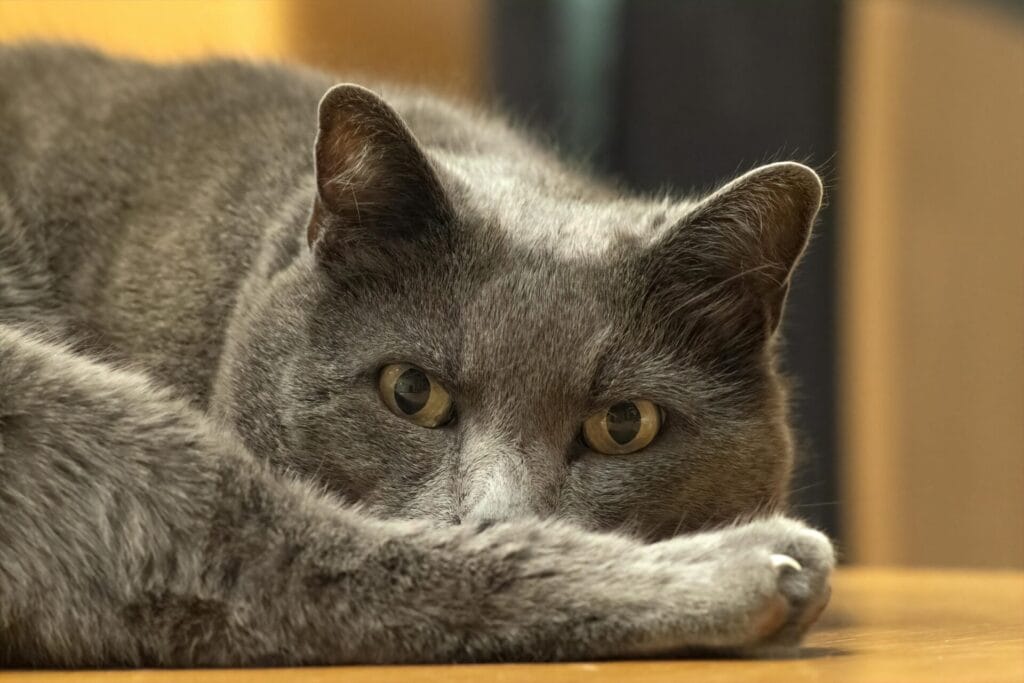
While you’re waiting for your vet to get back to you or dealing with other not-so-urgent reasons for your cat to be exhausted, your cat needs some immediate TLC to feel safe and comfortable.
The idea is to minimize any physical exertion, so put their necessities—food bowl, water dish, and litter box—next to their favorite lounging spot.
Create a cozy, quiet refuge away from kids, other pets, and household chaos, with a soft bed and a heating pad on low to keep them warm and safe.
Moving food, water, and litter boxes closer so they do not have to work for it
The last thing your cat wants when they are exhausted is to go on a long expedition just to take a drink or to go to the bathroom.
Set up a recovery station near their favorite resting spot and make sure that all the essentials are within reach.
1. A temporary care area with a few blankets, a pillow, and a box of tissues.
- Fresh water bowl positioned within 3-5 feet of where they’re sleeping
- Small portions of food nearby, refreshed every 4-6 hours to maintain appeal
- Litter box relocated to the same room, ensuring they won’t avoid it due to distance
The setup will also help you to reduce the physical strain you experience when you keep an eye on them.
Your cat shouldn’t have to expend energy on the basics when they’re already tired.
Setting up a warm, low-traffic safe space away from all household noise
4. A tired cat needs a quiet sanctuary where they can truly unwind. This means choosing a place that is far from the hustle and bustle of life.
Find a spare bedroom, closet or bathroom where you can shut the door and close yourself off from the noise of TVs, kids and visitors.
Add a soft bed or blanket in a cardboard box, so it’s a cozy den-like environment. Cats feel safer with walls around them, especially when they’re feeling vulnerable.
Keep the room between 68-72°F. Cats that are sick or stressed often have a hard time regulating their body temperature.
Place their food, water, and litter box a few feet away from where they sleep.
Just check on them quietly twice a day. Don’t cuddle or play.
Frequently Asked Questions
Can Certain Cat Breeds Naturally Sleep More Than Others?
Yes, breed does make a difference when it comes to sleep patterns.
Persian and Ragdoll cats are known for being lazy sleepers, sleeping up to 16-20 hours a day.
At the same time, active breeds such as Abyssinians and Bengals may sleep as few as 12-15 hours a day, spending more of their time exploring your cabinets.
Larger breeds like Maine Coons sleep for a longer period as well.
How much sleep your cat needs is largely determined by their genes. Some cats are naturally energetic and require more sleep, while others may be more sedentary.
How Many Hours Should a Healthy Adult Cat Sleep Daily?
Your healthy adult cat should sleep 12-16 hours a day, although some cats can go as far as 20 hours if they’re very lazy or bored.
I don’t think it’s laziness. It’s evolutionary programming.
Cats are crepuscular hunters, meaning they are active during dawn and dusk.
They’re using the rest of the time to save up energy for those hunting bursts, even if the only thing they’re chasing is a feather toy you’re dangling.
Do Indoor Cats Get More Lethargic Than Outdoor Cats?
Indoor cats are not necessarily more lazy but they sleep more because they have less stimuli and less hunting opportunities.
Your indoor cat might be sleeping 16-20 hours a day, while your outdoor cat might sleep 12-16 hours because they are out patrolling their territory and hunting.
But true laziness—weakness, depression, or being unresponsive—isn’t the same as sleep.
If you have an indoor cat who seems genuinely tired, rather than bored, you should see a vet.
Can My Cat’s Diet Affect Their Energy Levels?
Absolutely! Your cat’s diet can have a huge effect on their energy levels.
If there are too many fillers, or there’s not enough protein (cats need at least 26%) or the food is missing certain nutrients, your cat may feel sluggish, or she may not be interested in it. If you’ve recently switched brands, that might be the problem.
If you’re worried about too many calories, it could be obesity-related exhaustion. Make sure you’re giving age-appropriate food with the right amount of taurine because a deficiency can cause fatigue and heart problems.
Is Lethargy in Senior Cats Just a Normal Aging Sign?
Even though senior cats sleep more (up to 20 hours a day!), it’s not just “getting old.”
6. Watch out for “real problems” like hyperthyroidism, kidney disease, or arthritis pain that can look like laziness. If your older cat stops jumping, hides more, or changes eating habits, that’s not normal aging.
Schedule a vet visit for bloodwork and exam. Age doesn’t mean sickness, but it does mean more risk.
Conclusion
Your cat’s exhaustion may go away on its own, or it could be a sign of something more serious lurking beneath the surface. You know the difference between sleepy and sick, you’ve checked for stressors, and you know when to act. Trust your instincts, keep watching for those subtle changes, and don’t hesitate to call your vet if things don’t feel right. Your cat is counting on you to be their advocate.

Hi, I’m Ali Tarek, co-founder of Animalsman. I’ve always been passionate about pets, especially dogs and cats, and I created this website to share practical tips, easy recipes, and helpful care advice for fellow pet lovers. My goal is to make pet care simple, enjoyable, and accessible for everyone. When I’m not writing or curating content, you’ll usually find me spending time with my furry friends or learning new ways to keep them happy and healthy.