You’ve probably noticed the ingredient lists on commercial cat food and wondered if you could do better at home. The truth is, you can—but only if you understand what makes a cat’s diet truly complete. Cats aren’t small dogs or tiny humans; they’re obligate carnivores with unique nutritional requirements that, if missed, can lead to serious health problems within months. Before you start cooking, there’s something critical you need to know about taurine, calcium ratios, and why your good intentions alone won’t keep your cat healthy.
Key Takeaways
- Consult a veterinarian or nutritionist before starting to ensure recipes meet your cat’s specific nutritional needs and health requirements.
- Use high-quality animal proteins like chicken, turkey, or rabbit as the base, rotating proteins weekly to prevent sensitivities.
- Add essential supplements including taurine, vitamins, and minerals since cooking destroys nutrients and muscle meat alone causes deficiencies.
- Cook meat to 165°F to eliminate harmful bacteria, then cool quickly and store in labeled airtight containers.
- Transition gradually over 7-10 days by mixing increasing amounts of homemade food with current diet to avoid digestive upset.
Before You Start: Is Homemade Cat Food Right for You?
Making your own cat food can feel empowering, like you’re finally taking full control of what goes into your pet’s bowl.
The benefits are real—you’ll know exactly what ingredients your cat eats, you can avoid fillers and mystery meats, and some cats with allergies or sensitivities thrive on homemade diets.
But before you start cooking, you need to understand the risks, because unlike us, cats require very specific nutrients like taurine and arachidonic acid, and getting the balance wrong can lead to serious health problems.
Why you might want to cook for your cat
When you’re standing in the pet food aisle staring at dozens of colorful bags and cans, you might wonder if there’s a better way to feed your cat. Cooking for your cat gives you complete control over ingredients, which matters if your feline has food allergies, inflammatory bowel disease, or chronic kidney disease.
You’ll know exactly what goes into each meal, no mystery meat or fillers. Some cats with sensitive stomachs thrive on homemade diets when commercial foods cause vomiting or diarrhea. Fresh food can also help finicky eaters rediscover their appetite.
Plus, you can adjust recipes as your cat’s nutritional needs change with age or health conditions, working closely with your veterinarian to create truly personalized meals.
Big benefits, real risks, and what you should think about first
Homemade cat food sounds wonderful in theory, but it comes with serious responsibilities you’ll need to embrace before your first batch. The biggest benefit is complete control over ingredients, which helps cats with allergies, IBD, or chronic kidney disease.
You’ll know exactly what’s in each meal, and many cats find homemade food more palatable than commercial options.
However, the risks are substantial. Nutritionally incomplete recipes can cause taurine deficiency, leading to dilated cardiomyopathy within months. Calcium-phosphorus imbalances weaken bones, and missing vitamins create serious deficiencies over time.
Before starting, ask yourself:
Can you commit to precise measurements?
Will you follow veterinary-formulated recipes exactly?
Do you have freezer space for batch cooking?
Can you afford supplements?
If you answered no to any question, reconsider your approach.
Talk to Your Vet Before You Change Anything
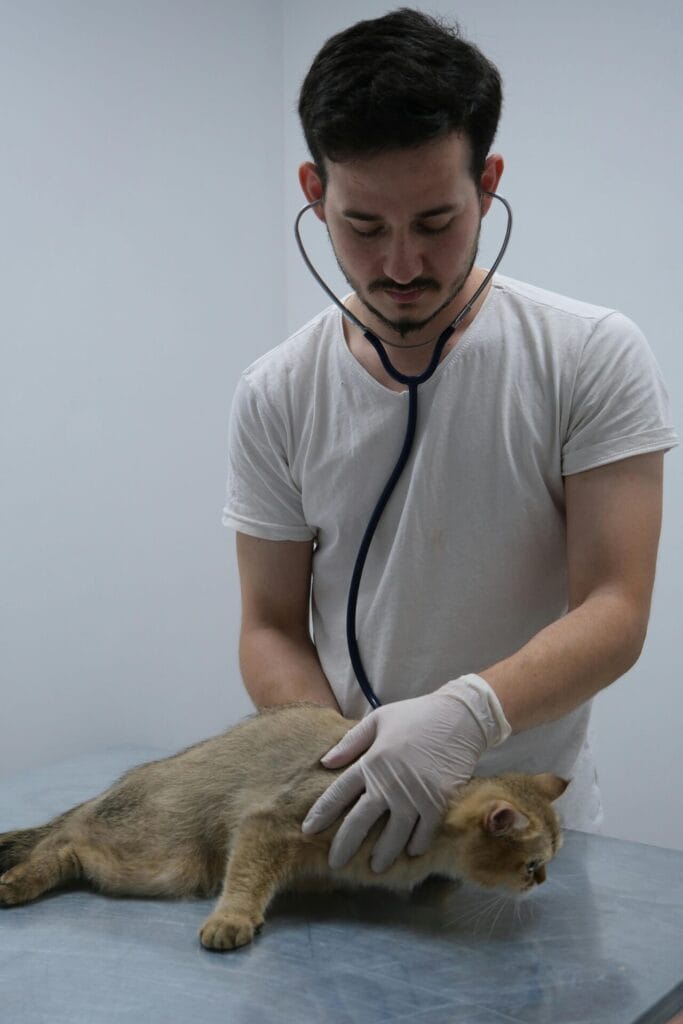
Before you start chopping chicken or measuring supplements, you’ll want to schedule a chat with your veterinarian or a board-certified veterinary nutritionist.
They’ll help you create a recipe that matches your cat’s specific needs, whether she’s a healthy adult, a kitten, or managing conditions like kidney disease or diabetes.
Bring along your cat’s current diet details, any health issues she’s facing, and a list of questions about portion sizes, necessary supplements like taurine, and how often you should schedule follow-up bloodwork.
Why your vet or a pet nutritionist should help you
Although you might feel confident about cooking for yourself, creating nutritionally complete cat food requires specialized knowledge that most pet owners simply don’t have.
Cats need precise ratios of protein, fat, vitamins, and minerals, and getting these wrong can lead to serious health problems like heart disease, blindness, or bone disorders.
Your vet understands your cat’s specific needs based on their age, weight, activity level, and any existing health conditions.
A board-certified veterinary nutritionist can design recipes that meet AAFCO standards while accounting for your cat’s individual requirements.
They’ll calculate exact amounts of supplements like taurine, calcium, and vitamin E, ensuring nothing’s missing. This professional guidance isn’t optional, it’s essential for keeping your cat healthy long-term.
Health details and questions to bring to the appointment
Your appointment will be most productive if you come prepared with detailed information about your cat’s health history and current condition.
Bring a list of any medications, supplements, or treats your cat currently receives, including dosages and frequencies.
Note any diagnosed health issues like kidney disease, diabetes, or food allergies.
Document your cat’s current weight and any recent changes, whether gains or losses.
Write down specific questions about nutrient requirements, particularly calcium-to-phosphorus ratios and taurine needs.
Ask about foods to avoid and potential deficiencies to watch for.
If your cat has shown pickiness or digestive issues with previous diets, mention those patterns.
Request recommended resources, supplement brands, or recipe sources the vet trusts.
Cat Nutrition Basics: What Your Cat’s Body Needs
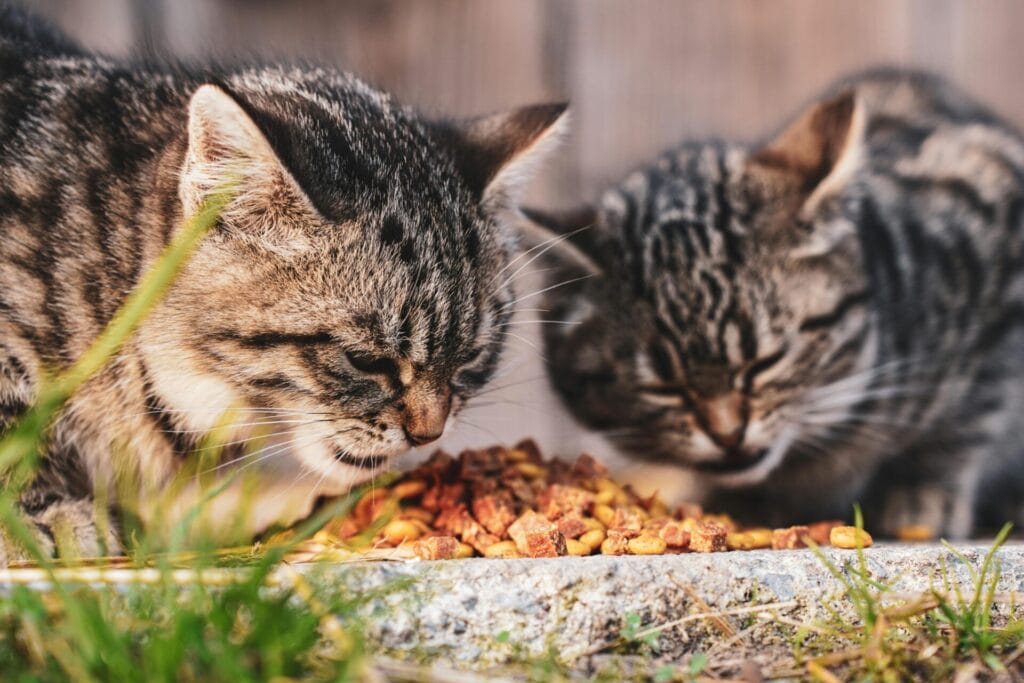
Your cat isn’t just a picky eater by nature—she’s an obligate carnivore, which means her body is specifically designed to run on meat, not plants or grains.
Unlike dogs or humans who can adapt to different food sources, your cat needs specific nutrients like high-quality protein, animal-based fats, taurine (an essential amino acid), vitamins A and D, minerals like calcium and phosphorus, and plenty of fresh water to thrive.
Getting these components in the right amounts, and in forms her body can actually use, makes the difference between a homemade diet that supports her health and one that slowly causes deficiencies.
Obligate carnivore: what this means for your cat’s daily meals
Cats are obligate carnivores, which means their bodies are biologically designed to derive nutrients from animal tissue, not plants. Unlike omnivores who can thrive on varied diets, your cat’s metabolism evolved to extract everything from prey animals.
This carnivorous requirement shapes what you’ll put in their bowl:
- Taurine from meat – Cats can’t synthesize this essential amino acid themselves.
- Vitamin A from liver – They can’t convert plant beta-carotene like dogs can.
- Arachidonic acid from animal fat – Plant oils won’t cut it.
- High protein needs – Around 26% minimum for adults, more for kittens.
- Minimal carbohydrate processing – Their bodies aren’t built for grains or vegetables.
Understanding this carnivore blueprint helps you avoid plant-based shortcuts that leave nutritional gaps.
Protein, fat, taurine, vitamins, minerals, and water in simple terms
When you build a meal from scratch, six fundamental nutrients need to work together in your cat’s body: protein, fat, taurine, vitamins, minerals, and water.
Protein supplies amino acids that build muscle, repair tissue, and fuel enzymes.
Fat delivers concentrated energy, twice the calories of protein per gram, and carries fat-soluble vitamins A, D, E, and K.
Taurine, an amino acid cats can’t manufacture themselves, keeps their heart strong and vision sharp.
Vitamins act as metabolic catalysts, turning food into usable energy.
Minerals like calcium, phosphorus, and magnesium form bones, balance fluids, and transmit nerve signals.
Water makes up 60–70% of your cat’s body weight, dissolving nutrients and flushing waste.
Each nutrient plays a distinct role, and skipping one creates deficiencies.
The Must‑Have Nutrients You Cannot Skip
You might think that cats are carnivores, so a bowl of pure chicken or beef should do the trick, right?
Unfortunately, feeding only meat creates serious nutritional gaps that can lead to heart disease, blindness, and weakened bones over time.
Wild cats don’t just eat muscle meat—they consume entire prey animals, including organs, bones, and even stomach contents, which provides calcium, taurine, vitamins, and other essential nutrients that muscle meat alone simply can’t offer.
Why “just meat” is not enough for a balanced cat diet
Although muscle meat provides excellent protein and some essential nutrients, feeding it alone will leave your cat critically deficient in several essential compounds.
You’ll see serious health problems develop within weeks or months, including bone disorders, heart failure, and neurological issues.
Here’s what meat-only diets lack:
- Calcium and phosphorus balance – Without bones or supplements, your cat won’t build strong teeth and skeleton
- Taurine sufficiency – Cooking destroys much of this heart-critical amino acid
- Vitamin A and D – Meat contains minimal amounts of these essential vitamins
- Essential fatty acids – The right omega-3 to omega-6 ratio requires careful planning
- B vitamins – Particularly thiamine, which degrades rapidly during storage
You must supplement appropriately to prevent devastating deficiencies.
Raw vs Cooked Homemade Cat Food
You’ve probably heard passionate arguments on both sides of the raw-versus-cooked debate, and honestly, both approaches can work for cats if you balance them correctly.
Raw diets mimic what cats would eat in nature and keep enzymes intact, but they demand strict hygiene, reliable sourcing, and aren’t ideal if you have young children or immunocompromised family members at home.
Cooked recipes kill bacteria like Salmonella and E. coli, fit more easily into busy schedules, and still provide complete nutrition when you add the right supplements after cooking.
Pros and cons of raw recipes for indoor cats
When it comes to feeding your indoor cat a raw diet, you’re weighing some significant benefits against real safety concerns.
Raw food advocates point to shinier coats, healthier teeth, and more energy in their cats. However, bacterial contamination poses risks to both you and your feline friend.
Consider these key points before deciding:
- Nutrient availability: Raw meat provides enzymes and amino acids like taurine in their natural state.
- Bacterial risks: Salmonella and E. coli can sicken cats with compromised immune systems.
- Storage demands: You’ll need dedicated freezer space and strict handling protocols.
- Cost factor: Raw diets typically run $3-5 per day for an average cat.
- Preparation time: Expect 30-45 minutes weekly for grinding, portioning, and freezing.
Your indoor cat’s lifestyle means less exposure to pathogens than outdoor cats naturally encounter.
When cooked food is safer, easier, or better for your lifestyle
Cooked homemade cat food offers a practical middle ground that addresses many concerns raw feeders face.
If you’re immunocompromised, pregnant, or have young children at home, cooking eliminates bacterial risks like Salmonella and E. coli. You’ll also find cooked recipes easier to store, since they last 3-4 days refrigerated versus raw’s 1-2 day window.
Cooking breaks down certain nutrients, making them more digestible for cats with IBD or pancreatitis. Plus, let’s be honest, handling cooked meat feels less intimidating for most beginners.
You can prepare larger batches, freeze portions in ice cube trays, and thaw as needed. If your cat has a sensitive stomach or you’re nervous about food safety protocols, cooked food simply makes more sense for your household.
Choosing Safe, High‑Quality Ingredients
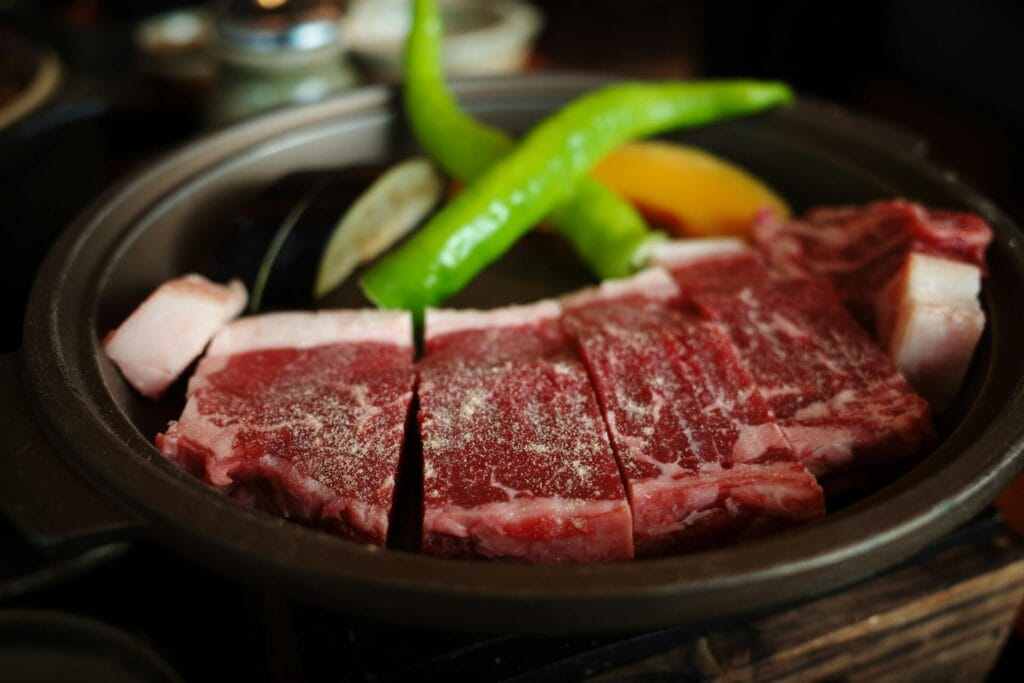
Once you’ve decided whether to feed raw or cooked, you’ll need to shop for the building blocks of your cat’s meals.
The best proteins include chicken, turkey, rabbit, and beef, and you’ll also need safe oils for essential fatty acids, small amounts of carbs if desired, and gentle fiber sources.
Quality matters here, since your cat will eat these ingredients daily, so look for fresh meat without additives and oils specifically labeled safe for pets.
Best animal proteins for cats: chicken, turkey, rabbit, beef, and more
Animal protein forms the cornerstone of any homemade cat food recipe, and choosing the right sources can make all the difference in your cat’s health.
You’ll want to select proteins that match your cat’s digestive abilities and nutritional needs.
Here are your best protein options:
- Chicken – Budget-friendly, widely available, and typically well-tolerated by most cats
- Turkey – Lean protein that’s excellent for weight management and sensitive stomachs
- Rabbit – Novel protein that works wonderfully for cats with food allergies
- Beef – Rich in taurine and iron, though some cats find it harder to digest
- Fish (salmon, mackerel) – Packed with omega-3 fatty acids but use sparingly to avoid mercury
You can rotate proteins weekly to provide variety and prevent sensitivities from developing over time.
Safe oils, small amounts of carbs, and gentle fiber sources
While protein takes center stage in cat nutrition, the supporting ingredients—oils, carbohydrates, and fiber—play essential roles in keeping your cat’s digestive system running smoothly and their coat looking glossy.
Add fish oil or salmon oil for omega-3 fatty acids, which support skin health and reduce inflammation. You’ll need about 1,000 mg per pound of food. Olive oil works too, though it lacks those critical omega-3s.
Carbohydrates aren’t necessary for cats, but small amounts—around 5% of the recipe—won’t hurt. Cooked sweet potato, pumpkin, or white rice provide easy-to-digest options.
For fiber, canned pumpkin is your best friend. Just a teaspoon per meal helps prevent constipation and hairballs.
Psyllium husk powder also works, but start with tiny amounts to avoid digestive upset.
Foods You Should Never Feed Your Cat
While you’re crafting nutritious meals for your cat, you’ll need to know which ingredients are absolutely off-limits.
Common foods like onions, garlic, chocolate, grapes, and alcohol can cause serious health problems, ranging from anemia to kidney failure, and even small amounts can be dangerous.
If your cat accidentally eats something toxic, contact your veterinarian or the Pet Poison Helpline immediately, since quick action can make all the difference in preventing lasting harm.
Common toxic foods like onions, garlic, chocolate, and alcohol
Your homemade cat food recipes need strict boundaries when it comes to ingredients, and certain foods pose serious, sometimes fatal risks to your feline companion.
Never include these dangerous items in your preparations:
- Onions and garlic destroy red blood cells, causing hemolytic anemia even in small amounts.
- Chocolate contains theobromine, which cats can’t metabolize, leading to seizures and heart problems.
- Alcohol causes severe liver damage, respiratory failure, and can be fatal in tiny quantities.
- Grapes and raisins trigger acute kidney failure in some cats, though researchers don’t fully understand why.
- Raw dough expands in your cat’s stomach, producing dangerous ethanol during fermentation.
These aren’t just “avoid if possible” ingredients—they’re absolute no-go items. Keep them completely separate from your cat’s meal prep area.
What to do if your cat eats something unsafe
Despite your best efforts at prevention, accidents happen, and quick action makes all the difference when your cat ingests something toxic.
First, remove any remaining food from your cat’s reach and note what they ate, how much, and when.
Contact your veterinarian immediately, or call the ASPCA Animal Poison Control Center at (888) 426-4435 if it’s after hours.
Don’t induce vomiting unless specifically instructed, as some substances cause more damage coming back up.
Watch for symptoms like drooling, vomiting, lethargy, or seizures while seeking help.
Keep hydrogen peroxide on hand only if your vet recommends it for emergencies.
Time matters with toxins, so even if your cat seems fine, professional guidance guarantees their safety and prevents delayed complications.
Supplements: The Secret to Making the Diet Complete
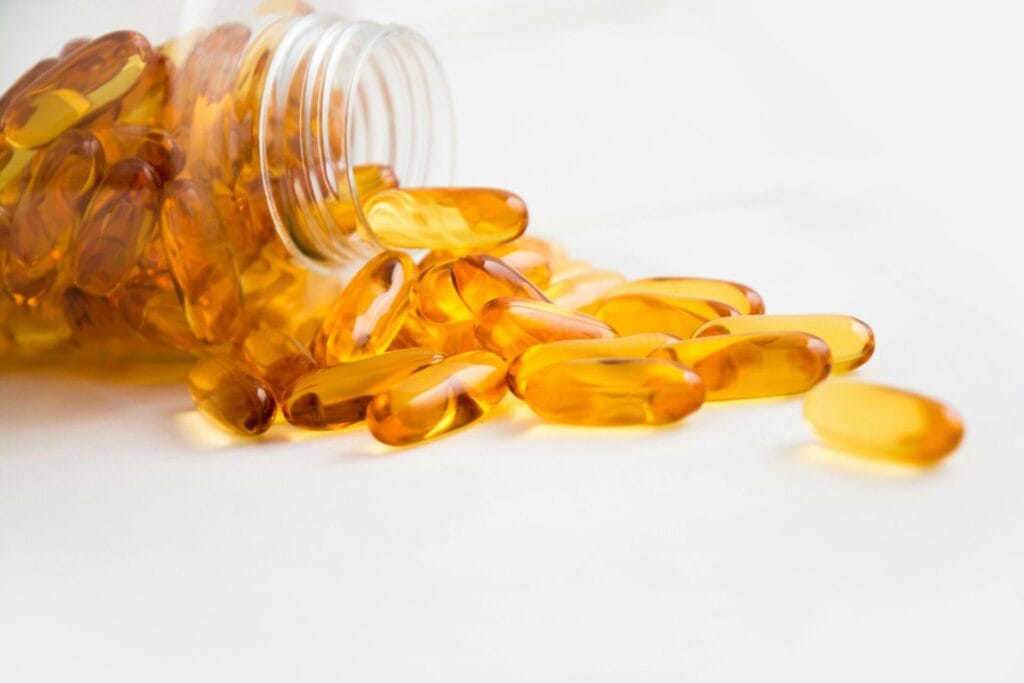
Even the most carefully chosen meats and organs won’t give your cat everything she needs, which is why supplements are absolutely essential to homemade recipes.
You’ll need to add taurine, an amino acid cats can’t produce themselves, along with omega-3 fatty acids for heart and joint health.
Calcium is another critical addition, and you can provide it through ground raw bone, eggshell powder, or commercially available premixes that simplify the balancing act.
Taurine, omega‑3s, and other key additions most recipes need
While homemade cat food recipes provide fresh, whole ingredients, they almost always fall short on essential nutrients that cats can’t live without.
You’ll need to add specific supplements to prevent serious deficiencies, and getting this right isn’t optional—it’s critical for your cat’s health.
The most important additions include:
- Taurine (essential amino acid that prevents heart disease and blindness)
- Omega-3 fatty acids from fish oil for skin, coat, and joint health
- Vitamin E to protect against oxidative damage
- B-complex vitamins especially if you’re using cooked meat
- Iodine through kelp powder or potassium iodide
Your recipe might need calcium, vitamin D, or other minerals depending on ingredients used.
A veterinary nutritionist can calculate exact amounts for your specific recipe.
Calcium sources: ground bone, eggshell powder, and commercial premixes
Calcium stands as one of the most critical—and trickiest—supplements to get right in homemade cat food. Without proper calcium, your cat risks severe skeletal problems, especially kittens and young adults.
You’ve got three main options: ground bone (if you’re grinding raw meaty bones yourself), eggshell powder, or commercial calcium supplements like calcium carbonate.
Eggshell powder is popular because it’s cheap and effective—just bake clean shells at 300°F for ten minutes, grind them fine, and add roughly half a teaspoon per pound of boneless meat.
Commercial premixes often combine calcium with other minerals in precise ratios, taking the guesswork out entirely.
Whatever you choose, exact dosing matters tremendously here, so measure carefully and consult feeding charts specific to your calcium source.
How Much Homemade Food Your Cat Should Eat
Now that you’ve got your supplements sorted out, you need to figure out exactly how much food to serve your cat each day.
Your cat’s calorie needs depend on their weight, age, and activity level, and getting the portions right means watching for signs of overfeeding or underfeeding.
A chubby indoor cat lounging around all day needs fewer calories than a young, energetic feline zooming through the house at 3 a.m.
Daily calorie needs based on weight, age, and activity level
Determining your cat’s daily calorie needs requires considering three key factors: their current weight, life stage, and how active they’re throughout the day. A typical adult cat needs about 20 calories per pound of body weight, but this varies considerably based on individual circumstances.
Here’s what affects your cat’s caloric requirements:
- Kittens need roughly twice as many calories as adults because they’re growing rapidly.
- Senior cats (7+ years) often require 20-30% fewer calories due to decreased metabolism.
- Indoor cats typically need less food than outdoor cats who burn more energy.
- Spayed or neutered cats usually need 25% fewer calories than intact cats.
- Pregnant or nursing cats require substantially more calories to support their kittens.
Your veterinarian can help calculate your cat’s specific needs.
Signs you are overfeeding or underfeeding your cat
How can you tell if your homemade feeding plan is hitting the mark? Watch for these telltale signs.
Overfeeding shows up as weight gain, a disappearing waistline, and lethargy after meals. Your cat might also leave food in the bowl consistently.
Underfeeding reveals itself through visible ribs, a prominent spine, constant begging, and increased vocalization around mealtimes. You’ll notice low energy levels and a dull coat too.
Weigh your cat monthly using a pet scale or your vet’s equipment. A healthy adult cat shouldn’t gain or lose more than 0.5 pounds per month.
If you’re seeing these red flags, adjust portions by 10-15% and monitor for two weeks. Trust your observations, but consult your veterinarian if concerns persist.
Step‑by‑Step: Preparing and Storing Homemade Cat Food Safely
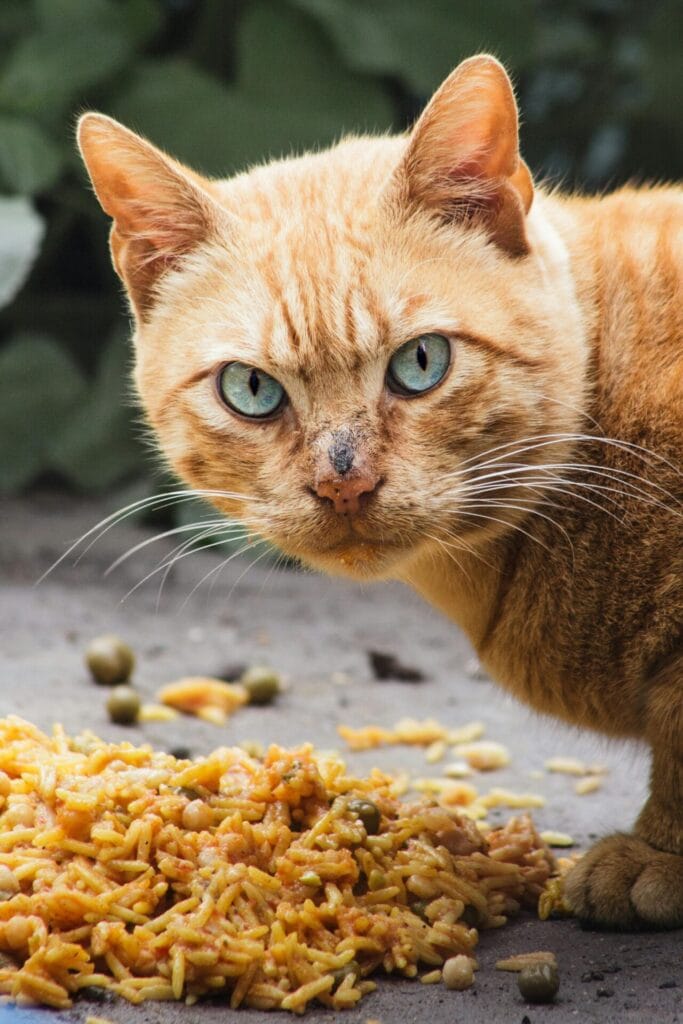
You’ve balanced your cat’s recipes and calculated portions, but now you need to handle the food safely to prevent bacterial growth and foodborne illness.
Proper thawing, cooking temperatures, and storage techniques will keep your homemade meals fresh for up to three months in the freezer.
You’ll also want a gradual 7–10 day adjustment plan to help your cat’s digestive system adjust to the new diet without upset stomachs or refusal to eat.
Safe thawing, cooking, cooling, and freezing to control bacteria
When you’re ready to prep your homemade cat food, proper handling becomes your first line of defense against harmful bacteria like Salmonella, E. coli, and Listeria.
Follow these critical steps to keep your cat’s meals safe:
- Thaw frozen meat in the refrigerator overnight, never on the counter, where bacteria multiply rapidly at room temperature.
- Cook meat to 165°F internal temperature using a meat thermometer, ensuring you’ve eliminated pathogens throughout.
- Cool cooked food quickly by spreading it in shallow containers, refrigerating within two hours of cooking.
- Freeze portions in airtight containers for up to three months, labeling each with preparation dates.
- Wash all surfaces, utensils, and hands thoroughly with hot, soapy water after handling raw ingredients.
These practices protect both you and your feline friend.
A simple 7–10 day plan for mixing old and new food
Most cats view dietary changes with the same enthusiasm they show for closed doors—which is to say, none at all. A gradual shift prevents digestive upset and helps your cat accept the new food.
Start with 90% old food and 10% homemade for days 1–2. Mix thoroughly so your cat can’t pick around the new bits.
On days 3–4, shift to 75% old and 25% new. By days 5–6, you’ll reach a 50/50 split.
Days 7–8 should be 25% old and 75% homemade. Finally, on days 9–10, serve 100% homemade food.
If your cat refuses to eat or develops diarrhea, slow down the shift. Some finicky cats need two weeks instead of one.
Frequently Asked Questions
Can I Feed Homemade Cat Food to Kittens or Senior Cats?
You can feed homemade cat food to kittens and senior cats, but you’ll need to adjust the recipes for their specific needs.
Kittens require higher protein, calcium, and calories for growth, while seniors often need fewer calories and modified nutrients for aging bodies.
Work closely with your vet to create age-appropriate formulations, as both life stages are particularly vulnerable to nutritional imbalances that can cause serious health problems.
How Long Does It Take to Transition My Cat to Homemade Food?
Plan for a 7-10 day changeover period to switch your cat to homemade food.
Start by mixing 25% homemade with 75% current food for days 1-3, then increase to 50-50 for days 4-6, and 75-25 for days 7-8.
By day 10, you should be at 100% homemade.
Watch for digestive upset, and slow down if your cat experiences diarrhea or refuses meals.
Is Homemade Cat Food Cheaper Than Buying Commercial Cat Food?
Homemade cat food isn’t always cheaper than commercial options. You’ll spend $2-4 per day on quality ingredients like chicken thighs, organ meats, and supplements, which often matches premium wet food costs.
However, you’ll save compared to high-end brands, and you’re getting fresher, higher-quality protein. Buying in bulk and using whole chickens can reduce your expenses considerably, making it more budget-friendly over time.
Can I Make Large Batches and Freeze Homemade Cat Food?
Yes, you can absolutely make large batches and freeze homemade cat food for up to three months.
Portion the food into meal-sized containers or ice cube trays before freezing, which makes thawing easier.
Always thaw portions in your refrigerator overnight, never at room temperature, and use thawed food within 48 hours.
This batch-cooking approach saves you time and guarantees your cat always has fresh, balanced meals ready.
What if My Cat Refuses to Eat the Homemade Food?
Don’t panic if your cat turns up their nose initially—cats are notoriously stubborn about food changes.
Try mixing just 10-25% homemade food with their current diet, then gradually increase the ratio over 7-10 days.
You can also warm the food slightly to enhance aroma, add a sprinkle of nutritional yeast for flavor, or drizzle some tuna juice on top to make it more enticing.
Conclusion
You’ve now got everything you need to make balanced, nutritious homemade cat food that’ll keep your feline friend healthy and thriving. Remember, your vet’s guidance is vital, and those supplements aren’t optional—they’re essential for preventing deficiencies. Start small, shift gradually, and watch how your cat responds. With proper planning and consistency, you’re giving your cat fresh, quality nutrition you can feel confident about every single day.

Hi, I’m Ali Tarek, co-founder of Animalsman. I’ve always been passionate about pets, especially dogs and cats, and I created this website to share practical tips, easy recipes, and helpful care advice for fellow pet lovers. My goal is to make pet care simple, enjoyable, and accessible for everyone. When I’m not writing or curating content, you’ll usually find me spending time with my furry friends or learning new ways to keep them happy and healthy.