“My golden retriever is scratching her ears so hard at 2 AM that I hear her from my bedroom. I wake up to find that she has a thick brown discharge coming from her ears that smells like fermenting bread. Her paws smell like the corn chip bag that hasn’t been opened for a while.
Yeast infections occur in nearly 15% of dogs each year. Yeast infections can cost the average dog owner $300 each time the vet visit happens. Unless your dog has food allergies, your dog’s skin has trapped moisture, or your dog has a weakened immune system, these infections will keep coming back.
The itching goes from mild to more severe sores, ear problems and sleepless nights. The scratching and licking often leads to bacterial skin infections that require even more medications.
What do Yeast Infections in Dogs Look Like? and What Causes Them? This guide explains everything you need to know about Yeast Infections in Dogs. You will find out exactly what they look like, how they are caused and how you can treat them naturally alongside treatment from the vet, so that you dog can be back to normal within 5-7 days (rather than weeks or even months).
Natural remedies for yeast infection in dogs work alongside a medical treatment and dog skin allergies home remedies can help to deal with the triggers that conventional medicine often misses.
What Is a Yeast Infection in Dogs?
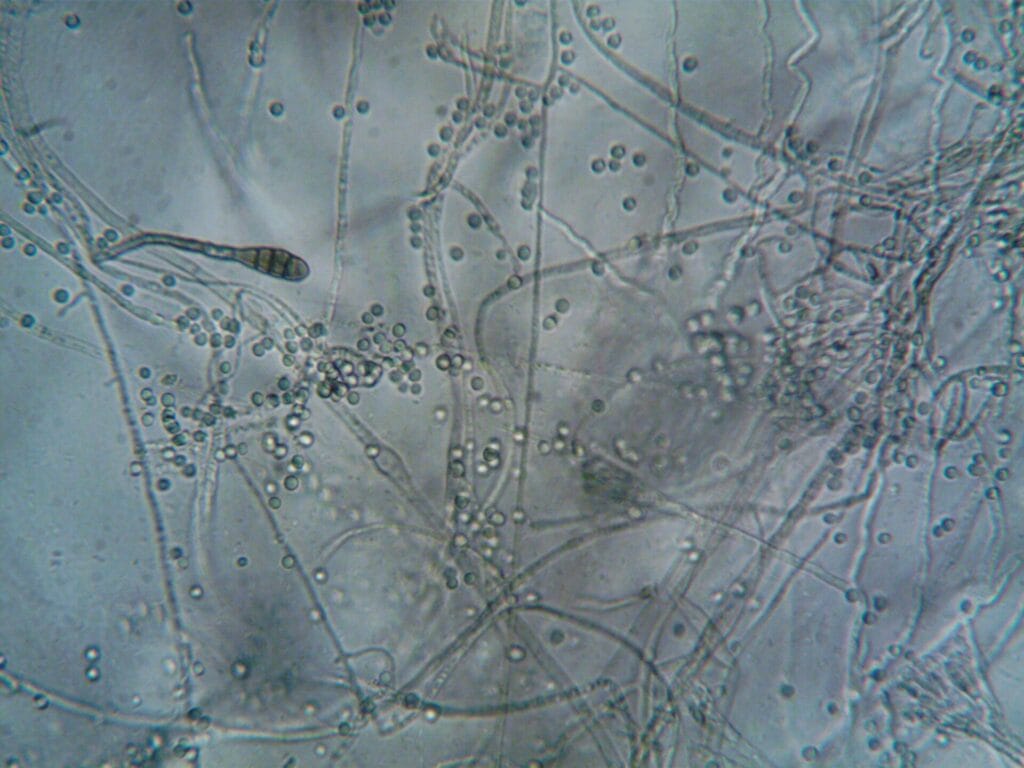
Every dog carries Malassezia pachydermatis, a naturally occurring yeast living on his skin and in his ears right now. In small numbers, this fungus causes no problems, like good bacteria in yogurt that help the digestion process.
Trouble starts when something disrupts the balance, with allergies damaging the skin barrier, antibiotics killing off good bacteria or stress weakening the immune system, and yeast takes over and grows out of control, like sourdough starter left too long on the counter.
Yeast thrive in warm moist environments, and your dog creates the perfect ones in his floppy ears, between his toes and in the folds of his sweaty skin on a hot day. Add your dog’s 101-102.5 °F body temperature to the equation and you can see why these areas are rife with yeast.
Why It Signals Bigger Problems?
Yeast infections in dogs are not a random occurrence and actually indicate some sort of underlying health issue that your dog is unable to explain to you. Food allergies to common ingredients like chicken or beef as well as environmental allergies such as grass pollen can cause skin inflammation that opens the door for yeast to come in and cause problems. Other common causes include underlying issues such as thyroid disease that compromise the immune system.
Every time a dog scratches his ear, he is making small micro-tears in the skin. The simple yeast can now become infected with bacteria which may need antibiotics. These infections are more difficult to treat and can increase the length of treatment from 2 weeks to 6-8 weeks. In addition, chronic ear infections can lead to permanent hearing loss in a matter of months.
A digital thermometer for pets helps monitor if your dog develops fever above 102.5°F, signaling secondary bacterial infection needing immediate vet care. Understanding what dogs can eat matters because dietary triggers fuel 40% of chronic yeast cases.
Where Yeast Infections Show Up on Your Dog
Candida enjoys the warmth and moisture of these areas, and if you catch an infection within the first 72 hours you can avoid brown discharge and open sores.
Ears (Most Common)
The most common yeast infections I see involve the ears. The ear canals are consistently warm and there is very little air movement. Any moisture from a bath or swimming gets trapped.
You will notice thick, dark brown discharge on the inside of the ear flap. It smells musty or fermented, like old bread. Your dog may shake his head 20 or more times daily and sometimes will shake his head to the side because the feeling is like water left in his ears after swimming.
Floppy eared dogs, such as Cocker Spaniels, Basset Hounds, Labrador Retrievers, Golden Retrievers and Beagles, have the greatest number of ear infections. The ear flaps seal in moisture and heat every time these dogs swim or take a bath.
If not treated, infections that are allowed to persist for months become thicker, narrower, and cause permanent loss of hearing. Some dogs develop a painful blood filled growth known as a hematoma, that needs to be surgically drained.
Use ear cleaner solution weekly. After baths or swimming, dry ear canals completely with cotton pads—never Q-tips, which push debris deeper.
Paws (Between Toe Pads)
If your dog licks paws for more than 15 minutes, especially between toes, chances are yeast has moved in. This area between the pads of the paws can trap grass, pollen, dirt, and moisture from the morning dew.
The dog’s fur may be stained with brown or reddish brown color in between their toes. You may notice that when you press down on the fur between their toes you will get a strong odor that smells like “Frito feet” that reminds you of eating a corn chip.
In dogs, the most common causes of infections are environmental allergies, that is, allergies to things found in the environment such as pollen, grass, and mold. In these cases, the dog’s thin skin on the paws can become inflamed and exposed to allergens when the dog goes for a walk outside. The inflammation and subsequent damage to the skin allows yeast to colonize within 3-5 days. Yeast is a very common type of fungi.
The obsessive licking can add more moisture to already moist areas feeding the yeast. Some dogs will lick until they develop raw spots and limping.
Keep a portable dog paw washer by your door for 30-second post-walk cleaning that removes 90% of allergens. Dry thoroughly between toes where moisture hides.
Skin Folds (Face, Neck, Tail)
Dogs such as Bulldogs, Shar-Peis, Pugs, and Mastiffs have cute wrinkles that can become breeding grounds for yeast. Deep facial folds, neck creases and tail pockets create areas in which sweat and moisture is trapped with no air circulation to help dry.
Most often, an animal has one or two small greasy, oily or slick patches. The fur may be darker in color or discolored, and a musty smell emanates when the folds are spread. More severe cases show red, raw skin.
my cats are cornish rex and manx. i have heard that the rex and manx breeds get alot of yeast problems. i need to know how to properly care for their skin and what to avoid. they need to be cleaned every day dont they? i use unscented baby wipes and dry them with a soft cloth after that. if i miss two days during the summer when it is very humid i get yeast?
A high-velocity professional pet dryer reaches deep folds towels can’t access, completely drying skin in 3-5 minutes versus 30+ minutes of air-drying. Learn proper grooming techniques to prevent fold infections.
Groin and Armpits
Generally owners do not think about these areas until the infection becomes severe. They stay warm and sweaty against the body and the friction can cause more heat and moisture.
If your dog has been showing more signs of scooting, or sits with his legs spread out for air, you’ll notice an irritated area that may feel sticky or have a yeasty odor.
It’s probably the most common spot for dogs to get yeast infections. Overweight dogs and dogs with hormonal imbalances (such as an under-active thyroid) are particularly susceptible. Check in this area during your nightly routine. If you find dampness, wipe it with a pet-safe cleansing wipe and ensure that the area is completely dry after baths.
Under the Tail/Perivulvar Area
Female dogs, especially overweight and/or spayed females, can develop yeast infections of the vulva. Prolonged exposure of the skin to urine combined with the natural discharge of the vulva and the warm moist environment of an enclosed area can cause yeast to proliferate.
If she is licking her backside more than normal (which can be hard to tell), or you notice that the tissue around the vulva is red and swollen, you may have a yeast infection on your hands. It might feel like a UTI to you, but trust me when I say it smells like a yeast infection (not ammonia).
This requires vet examination within 48 hours because symptoms overlap with UTIs, vaginitis, or life-threatening pyometra. Never self-diagnose.
A cooling elevated dog bed reduces moisture from lying on solid surfaces during hot months. Using pH-balanced dog shampoo protects natural skin barriers.
Identifying infection location guides treatment—ears need different medication than paws. The next section reveals specific symptoms that tell you whether you caught it early or need immediate veterinary intervention.
How to Recognize the Symptoms
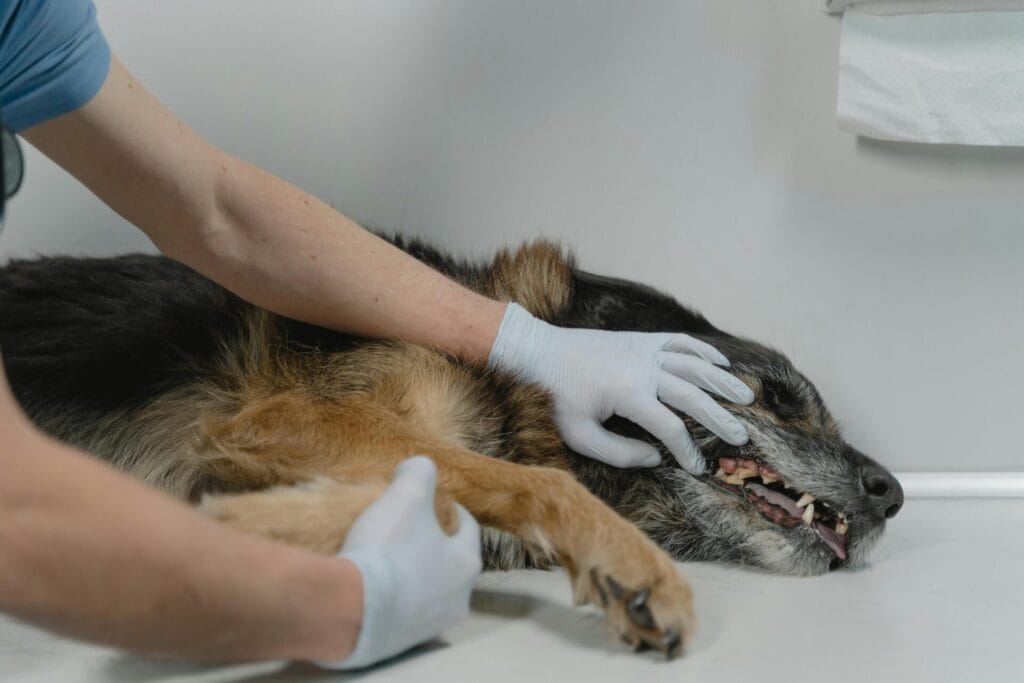
Catching a yeast infection early means 7-10 days of treatment instead of 6-8 weeks of misery. Here’s what to look for.
What You’ll See
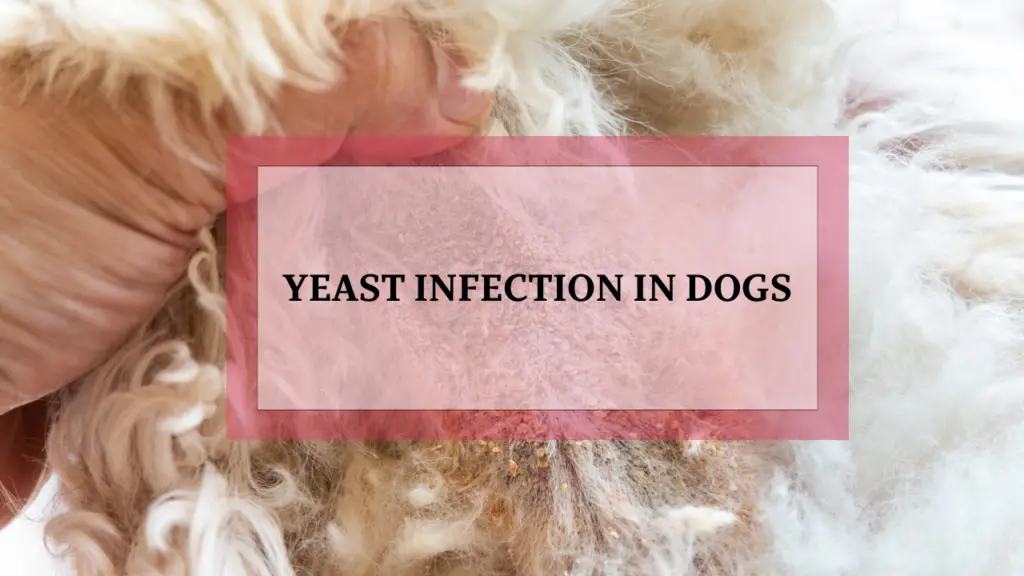
The waxy substance may be dark brown or black. It often is said to look like coffee grounds. The skin underneath may also be pink or red. In chronic cases, thickened, elephant-like skin may develop. Brown staining on the fur is often seen in the ear area, especially if the dog is white coated. The coat often feels greasy and oily, even after washing.
What You’ll Smell
It may have a musty, fermented odor that can smell like old bread or beer. Another odor can be described as a “corn chip” or “Frito” smell that is produced from the infection in the paws. The smell will become sour and yeasty.
What Your Dog Will Do
They can scratch their ears until they are bleeding or until blood filled hematomas develop. They will shake their head, sometimes violently, throughout the day. They may lick their paw for 20+ minutes at a time, especially at night. Some dogs will rub their face on furniture/carpet for relief. Some dogs will become irritable or depressed from the constant discomfort.
The Timeline That Matters
Days 1-3: Mild itching and slight odor you might miss
Days 4-7: Visible redness, increased scratching, noticeable smell
Week 2+: Brown discharge, hair loss, skin thickening—vet visit becomes urgent
It is important that you understand how to create a balanced homemade dog food because a change of diet can be used to help prevent the recurrence of the infection once it has been treated for.
Root Causes—Why Your Dog Keeps Getting Infections
If you are following a candida diet and begin to feel better only to develop the symptoms again a few weeks later, then you are probably dealing with one or more of the five main triggers of yeast overgrowth.
Food Allergies (40% of Cases)
In the same way that a high-carb diet feeds yeast, so does feeding kibble that contains a high level of carbohydrates such as chicken, beef, wheat, corn and soy. When carbs are consumed, they break down into simple sugars and thus can feed yeast.
The elimination diet takes 8-12 weeks. Foods, including novel proteins such as duck, venison or rabbit, are added to the diet in turn to identify the trigger food.
Homemade dog food for dogs with yeast issues gives you complete ingredient control.
Antibiotic Overuse
Antibiotics kill off the good bacteria in the gut along with the bad, leaving the yeast to multiply. I usually recommend giving probiotics throughout antibiotic treatment and a month after treatment has finished, to allow the gut flora to rebalance. It can take 4-6 weeks for the gut flora to rebalance after antibiotics have been stopped, so this is a prime time for the yeast to flourish.
Environmental Allergies
The most common peak seasons for dog allergies are spring pollen and summer grasses. As a result of the inhalation of these pollens, dogs often have increased inflammation of their skin barriers, which may predispose them to skin infections. Dogs will often come in contact with these allergens on the ground during walks. In the coastal area, and regions of the Southern United States with 60%+ humidity, there is an increased rate of infections in dogs in July-August, as opposed to the winter.
Weakened Immune System
If your dog has hypothyroidism, Cushing’s disease, or diabetes, his immune system will not work properly. Dogs with these conditions will have a higher rate of infection than a dog without these conditions. Also, as dogs age, their rate of infection increases to 30% higher. Stress factors like moving, a new pet or schedule change will lower your dog’s immune system.
Moisture and Heat
Yeast likes an environment that is 80 degrees plus in temperature and at least 60 percent plus in humidity. If a dog swims and is not dried thoroughly within 30 minutes, it can become a target for yeast. The infection can follow the weather and tend to be more prolific in hot and humid months.
Stock probiotics for dogs and fish oil supplements to support gut health and reduce inflammation. Understanding best dog food for allergies helps identify safe protein sources.
How Veterinarians Diagnose Yeast Infections
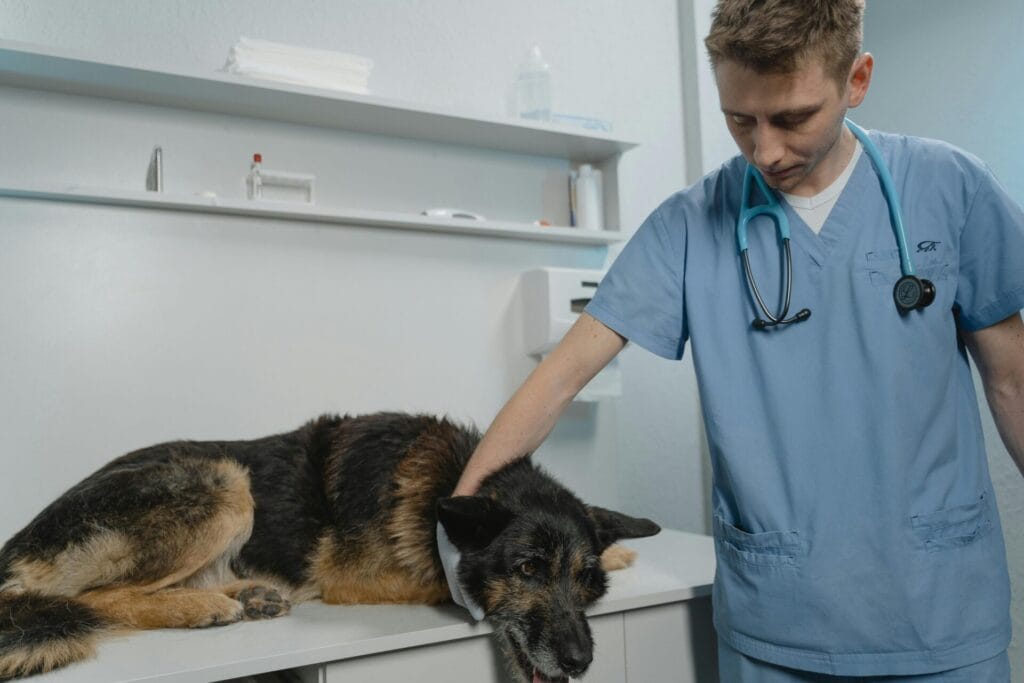
Good your vet need to confirm if it is yeast before prescribing the treatment. This is what will happen.
The Initial Exam
Your veterinarian will take a complete medical history of your pet and ask questions about when he began to show symptoms, if he had been sick before, and what medications he is currently taking. The veterinarian will also examine your pet’s ears, skin folds, paws, and general condition.
Common Diagnostic Tests
A test for yeast infection of the ears in which clear tape is pressed on the affected skin, stained, and then examined under a microscope. Results are available in 5-10 minutes with 85-90% accuracy for detecting yeast. Usually included in the exam fee.
2. Cotton Swab Cytology This test involves placing a cotton swab on the skin or in the ear and spreading the material on a slide. It is a good way to check for ear infections and other areas that are moist. Results are available on the same day.
3. Fungal Culture (if stubborn) If you have a chronic infection not responding to treatment or if your yeast infection is persisting and you think it might be due to an unusual species of yeast, you can ask your doctor for a fungal culture. The culture can take anywhere from 7-14 days to yield results.
4. Blood Work Are you dealing with thyroid problems, Cushing’s or diabetes? These and many other conditions can be revealed by blood work. It can also help determine your immune system and your organs are working properly and triggering your immune system.
Veterinary Treatment Options
Your vet will prescribe based on infection severity and location.
Topical Antifungal Treatments
Miconazole, ketoconazole, and chlorhexidine shampoos all can kill yeast on contact. Make a thick lather and leave on for 10 minutes (set a timer). Do 2x/week for 4-6 weeks then 1x/week.
Use a lick mat with peanut butter to distract your dog during the 10-minute wait. Check out best dog shampoo options for maintaining healthy skin between treatments.
Oral Antifungal Medications
Ketoconazole, fluconazole or itraconazole are used for the treatment of severe cases. The treatment usually lasts for 4-8 weeks at least. Some of the side effects that may be experienced include loss of appetite and vomiting. Blood tests are required to monitor the liver enzymes due to the possibility of liver toxicity.
Medicated Ear Drops
If your dog’s ear infection is confirmed by your veterinarian to be secondary to a fungus (most are), he/she will often prescribe one or more of the following medications. These medications are typically drops and are often combined with an antibiotic. They are typically prescribed to be used twice a day for 10-14 days, even after the symptoms seem to resolve. This medication can be applied until the ear canal is filled, then massaged at the base of the ear for 30 seconds and let the dog shake his/her head. Success rates are often around 80-90% with this treatment.
Prescription Diets
Hill’s Z/D or Royal Canin Hydrolyzed Protein are prescription diets. Homemade recipes are easy to make and you control what goes into them.
Natural Home Remedies (To Use Alongside Vet Care)
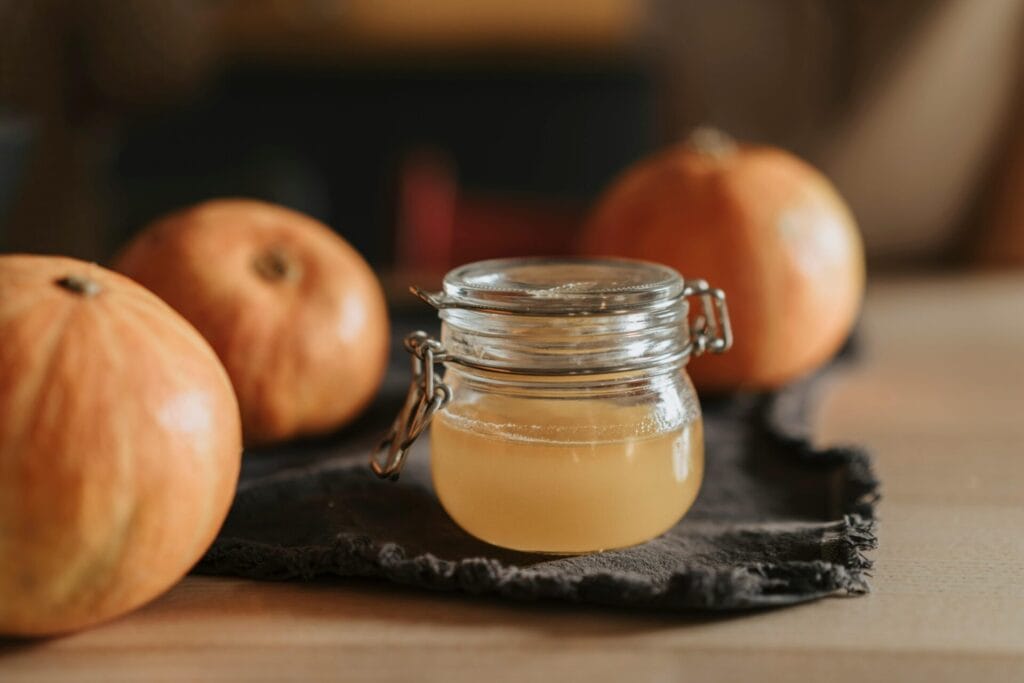
These evidence-based solutions work with your vet’s treatment plan. Never replace prescription medications.
Apple Cider Vinegar (The pH Balancer)
I like to use apple cider vinegar to restore the acidity of the skin and to prevent yeast growth. Use a 1:1 ratio of apple cider vinegar and filtered water in a spray bottle to spray on affected areas after baths, then air dry (never rinse off). Use once daily for 7-10 days, then 3x per week for maintenance.
Do not use on open wounds. May sting. Less itching within 3-5 days.
Coconut Oil (Inside and Out)
Lauric acid in the coconut oil helps to ward off fungal infections. Apply organic, unrefined coconut oil on your dry, clean dog’s skin (paws, folds, tummy) and give him 1 tsp per 10lbs body weight mixed into his food every day. Apply it after the evening walk when the dog is calming down and he’s less likely to lick it off immediately.
Bonus: Wet combing it makes my dog’s coat shine in 2 weeks. You should read this article about coconut oil benefits before start using it on your dog.
Low-Carb Homemade Diet
Yeast loves to feed on sugar and other carbs, so starving the beast will speed up your recovery process. To do this, you will want to eat a diet that consists of 50% lean protein, 25% non-starchy vegetables and 25% healthy fats.
Example Recipe:
2 cups cooked turkey, 1 cup steamed broccoli, 1/2 cup blueberries and 2 tablespoons coconut oil (serves 2-3 cups daily for a 50 lb dog, adjust for size). I make the whole thing at once, portion out, and freeze. It thaws in 20 minutes.
Most dogs show improvement within 2-3 weeks. Try these homemade dog food recipes for skin allergies.Use a slow feeder ceramic dog bowl or elevated wooden dog feeder station to pace meals and reduce neck strain.
Probiotic-Rich Foods
Plain unsweetened yogurt: for a daily dose equivalent to 2 tablespoons of yogurt for every 20 lbs of body weight (they recommend 1 tablespoon of kefir for every 20 lbs). For fermented vegetables I’ve seen anywhere from 1/4 tsp of sauerkraut to 1 tsp for every 20 lbs.
This helps restore the balance of good bacteria in your pets gut and help boost their immune system. You can give this with meals, as well as digestive enzymes, for better absorption. Make sure to check the ingredient list for added sugars or xylitol (which is toxic to dogs). Check out our recipe for Homemade Probiotics for Dogs.
.
Hydrogen Peroxide Paw Soaks
Mix 1 part 3% hydrogen peroxide with 2 parts water in a shallow container. Soak each paw for 3-5 minutes, twice daily for severe infections. Pat the paw dry with a clean towel between the toe pads until the paw is bone dry. Most dogs stop licking at their paws within 48 hours.
Never use higher concentrations—causes irritation.
Prevention Strategies (Stop Infections Before They Start)
Daily and weekly habits prevent recurring infections that drain your wallet and your dog’s wellbeing.
Environmental Control
Keep your indoor humidity to less than 50% with the help of dehumidifiers. Set your AC to no warmer than 72 degrees in the summer. Washing dog beddings in hot water once a week (140 degrees or warmer) with white vinegar added is a good idea. Vacuum daily where your dog sleeps or relaxes, the yeast spores can remain in carpets for weeks.
A HEPA air purifier and robot vacuum for pet hair reduce airborne allergens that weaken immunity.
Post-Activity Routines
After walks: Wipe your dog’s paws with a damp cloth after going outside and dry thoroughly between the pads. After swimming, rinse your dog’s feet completely in clean water and blow dry completely within 30 minutes. If it has been raining, check between the skin folds, ear flaps and armpits for water and dry well. Make a habit of checking your dog’s ears, paws and belly for 5 minutes at night.
Grooming Maintenance
Make sure to trim hair around ears, paws and around the groin area to allow the area to remain dry. Keep nails short so the toes do not have to splay to accommodate the nail. If you have a wrinkly breed, make sure to clean the skin folds daily with an unscented wipe and to dry the area thoroughly. It is recommended that you have your dog professionally groomed every 6-8 weeks. This includes a sanitary trim and being thoroughly dried.
Use professional dog grooming clippers for at-home maintenance. A cooling mat gel reduces sweating during hot months.
Dietary Vigilance
Stay away from treats with wheat, corn and added sugars. Give single ingredient treats such as freeze dried liver, sweet potato or salmon. Change proteins every 3-4 months to avoid new allergies. Change fresh water twice daily in stainless steel or ceramic bowls. Plastic bowls harbor bacteria.
Check out some of the best dog treats for training and homemade dog food recipes that are safe.
Recovery Timeline and What to Expect
Week 1: Initial Treatment
Sometimes the itching gets worse just before it starts to get better (a die-off reaction). It is important to do the treatments twice a day and to set reminders on your phone. You may notice your child is scratching less by days 5-7. Treatments can take 30-45 minutes daily. — www.drdianerawson.com
Weeks 2-4: Active Healing
The redness and discharge from the nose improves. The smell is less. Mild cases: The redness and discharge from the nose disappear in the end of the second week in 80% of the patients. Moderate cases: The redness and discharge from the nose gradually disappear and will not be healed until the fourth week. Do not stop the treatment in the middle. This will cause a recurrence.
Weeks 5-8: Complete Resolution
For severe/chronic cases you may have to do the treatments for 6-8 weeks but the infection is still present and the dog is still spreading the infection. Then you’ll be in the maintenance stage. You would then taper down the medicated baths to once a week, continue the probiotics but have another vet visit just to make sure the infection is cleared.
Red Flags
If there is no improvement in 2 weeks or you notice new symptoms such as a fever or lethargy, the infection spreads to other areas of your pet’s body or you see open sores or bleeding as a result of scratching, call your vet.
Breeds Most at Risk (Is Your Dog Prone?)
Floppy-Eared Breeds
Ear infections are more common in dogs with floppy ears like Cocker Spaniels, Basset Hounds, Labrador Retrievers, Golden Retrievers and Beagles because their ears trap moisture. To help prevent ear infections, it’s a good idea to clean your dog’s ears once a week and thoroughly dry them after a bath or swim.
Wrinkly/Brachycephalic Breeds
English Bulldogs, French Bulldogs, Pugs, Shar-Peis, Mastiffs, and other breeds can develop folds of skin on their face, at the base of their tails, or around their neck. These folds can trap moisture between the skin. Daily, clean and dry these folds of skin without exception. The risk of developing a yeast infection is double during the summer, especially during humid months.
Dogs with Allergies
West Highland White Terriers, German Shepherds, Boxers and Golden Retrievers are some of the breeds that have a higher propensity for allergies. When a dog has allergies, he tends to scratch, thus causing the skin to become damaged. Yeast can easily get into those damaged areas and result in a yeast infection. The easiest way to avoid a yeast infection is to try to control your dog’s allergies year round.
Dogs with Hair Between Paw Pads
Poodles, Shih Tzus, Maltese, Lhasa Apsos have hair that traps moisture and debris between toes. Solution: trim paw hair every 3-4 weeks using curved grooming scissors
.
If you are looking for a breed-specific information, such as best dog food for Golden Retrievers or best dog food for German Shepherds read this article to find out.
.
Your Next Steps
If you are always battling yeast infections in your dog, maybe it’s time to figure out the triggers and nip it in the butt once and for all. If it’s the chicken-based kibble you’re feeding that’s feeding the yeast, change it. If it’s the fact you don’t blow-dry her after the post-swim towel-dry, get yourself a good dryer and do it. If it’s those pesky seasonal allergies and they’re causing the misery to your dog’s paws, see below.
Start with one change today: Switch to a low-carb diet, dry your dog’s ears after every bath, keep a paw washer by the front door for after walks, or do whatever you need to do to keep your dog’s ears from getting infected and painful again. Whatever little steps you take now will be well worth it later when you’re not sitting around with a teary eyed dog at your side.
If you’re not already following me, please do so now, and snap a photo of the areas of your dog where he/she has been scratching and take a picture of it. We will both take a look at it again in a week or two and you will be amazed at the difference in your dogs scratching. If you are trying to figure out what to do to help your dog, please read on….
When you visit the vet with your golden retriever, it is only natural that you want the vet to understand your dog’s problem. With these steps, you can remind yourself of everything you need to do to get your dog sleeping through the night without scratching.

Amr Mohsen is a software engineer who traded his keyboard for a leash — at least on weekends. His love for dogs inspired him to share what he learns as a dog owner and enthusiast, bringing a detail-oriented, research-driven perspective to every article he writes. If it’s about dogs, he’s probably already looked it up twice.