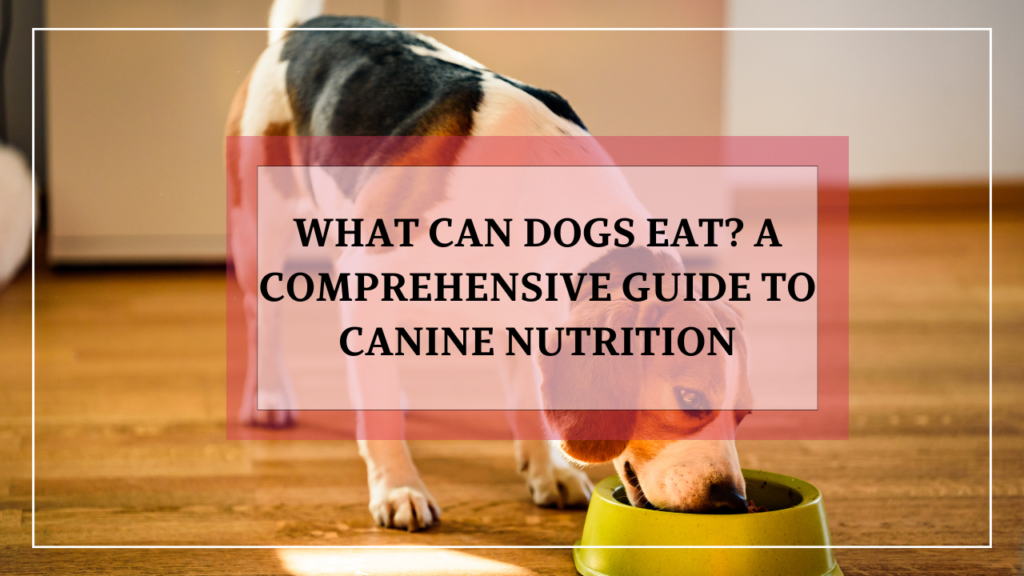
Yes, your dog can eat lean proteins like chicken, fresh vegetables like carrots, and fruits like blueberries. However, “can” doesn’t always mean “should.” Dogs need to eat a complete and balanced diet, which includes proteins, fats, carbohydrates, vitamins, minerals, and water in proper amounts that meet AAFCO standards. Never feed your dog grapes, chocolate, xylitol, or onions, which are toxic to dogs. Remember, your dog is a dog, not you, and they may not need some foods just because you do. Make sure your dog is getting proper nutrition, not too much, and avoid sneaky weight gain by using the rib test and weighing your dog weekly.
Key Takeaways
- Dogs require complete and balanced nutrition meeting 37 essential nutrients across six categories: proteins, fats, carbohydrates, vitamins, minerals, and water.
- Safe human foods include carrots, blueberries, and lean chicken; always introduce small portions after cleaning and removing seeds.
- Toxic foods cause severe harm: grapes damage kidneys, chocolate causes toxicity, xylitol triggers liver failure, and onions cause emergencies.
- Monitor your weight through weekly weigh-ins, rib tests, and waistline checks and adjust portions based on life stage and health conditions.
- Meal prep with vet-approved ingredients, rotate proteins and vegetables weekly, and track your dog’s responses to personalize their diet.
What “What Can Dogs Eat?” Really Means
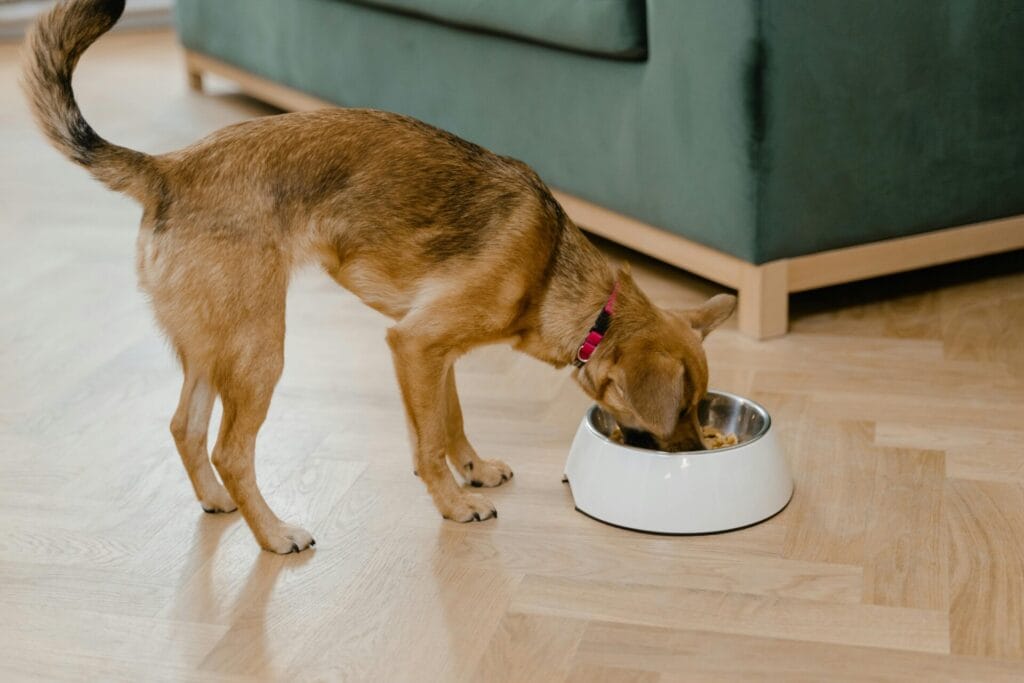
Before you toss your dog a bite of your sandwich, however, remember that “can dogs eat this?” isn’t just about whether something is safe or toxic.
However, you may want to consider not just the cost of the food, but also whether it suits your dog’s nutritional needs, fits into their caloric budget, and won’t upset their digestive system. Similarly, making your own dog food with recipes specifically designed to help dogs with skin allergies can help your pooch overall.
This little change of mindset in just one area has the potential to change you from a well-meaning dog owner to an actual supporter of your dog’s health.
The one mindset shift before you share any food
If you’re searching Google for “can dogs eat strawberries,” you’re probably hoping for a simple yes or no answer.
But the real question is not simply can they, but should they, and if so, how much. That distinction matters more than you might think.
So, when you give someone else advice, you need to take into account their dog’s individual needs. For example, a food that is generally considered safe may be too high in fat or calories for your dog or may cause a reaction.
Being aware of what you are feeding your dog will turn you from a bored owner to an informed pet parent. Just because you want to share what you are eating does not mean it is the best for your dog’s nutrition or are you just giving in to those puppy eyes?
That perspective changes everything.
The Nutrients Your Dog Actually Needs
Your dog’s body runs on three main fuel sources: protein, fats, and carbohydrates. The protein is used to build muscle and tissue; the fats are used as a source of energy and nutrient absorption; and the carbohydrates provide a quick source of energy.
You might often come across the term “complete and balanced” pasted on many dog food bags. This actually means the food contains all 37 essential nutrients in the right proportions. This includes high quality dry dog food and ensuring they receive the necessary nutrients to keep them healthy.
Now that you know the basics, you can start reading food labels like a pro and determine if the food you’re feeding your dog is providing quality nutrition for his/her body.
Protein, fat, and carbs in normal-people language
Our dogs need three main macro nutrients to survive, and by understanding what these macros do we can make smarter choices when it comes to feeding our dogs.
Proteins, for example, chicken, beef, and fish are our muscles and tissues and as such the importance of these proteins to our body cannot be over emphasised. We just have to ensure we eat quality proteins rather than quantity of proteins.
Digestible fats are a concentrated source of energy and help with the absorption of vitamins.
Carbs often get a bad rap, but carbs are important because they give your body quick energy and fiber for digestion.
The magic of this combination occurs in nutrient balance, as they are all responsible for the maintenance of healthy energy levels.
Your dog doesn’t care about macronutrient ratios, but their body does, and they will thrive if you feed them the proper combination.
What “complete and balanced” really looks like in the bowl
I know that my dog needs protein, fat, and carbohydrates, but I have no idea how to give them a diet that meets all of their nutritional requirements!
Have you ever picked up a bag of dog food and noticed that it claims to be “complete and balanced?” You might not know what that means or who decides if a food is complete and balanced or not.
L’AAFCO (Association of American Feed Control Officials) établit les critères qui définissent une alimentation complète pour les chiens.
Foods that meet these guidelines contain enough of the following 6 categories of nutrients: protein, fat, carbohydrates, vitamins, minerals, and water.
Your dog needs all of these and in specific ratios to achieve a balanced diet, not just the big three macronutrients.
When you see that a food is ‘complete and balanced’, it means that it either has passed feeding trials or meets the formulation requirements.
Safe Human Foods Most Dogs Can Eat
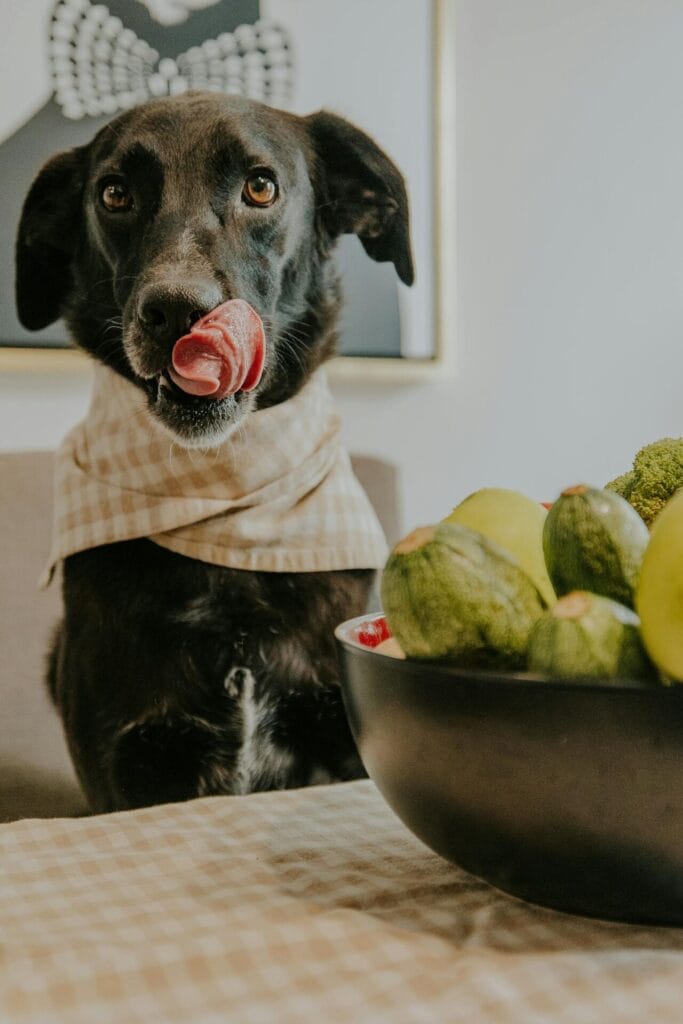
And you’re in luck! Because your kitchen already has plenty of dog-safe foods that you can easily add to your dog’s diet.
From crisp carrots to blueberries, lean chicken and plain rice, these everyday staples can add variety and nutrition to your diet. We’ve also thrown in some training treats.
If you are one of those who are trying to improve your dog’s health, and add some amount of probiotics in your dog’s diet, then this article is for you. In this article, you will find how to serve your dog with probiotics and how much common foods should be offered to dogs. If you are one of those people who are willing to offer probiotics homemade to their dogs, then you should also read this article.
Dog-safe fruits and veggies you probably already buy
Many of the fruits and vegetables in your refrigerator right now can be used as healthy, budget-friendly treats for your dog.
Apples (without seeds), blueberries, strawberries, and watermelon are great dog friendly berries that are full of vitamins, antioxidants and hydration.
Carrots, green beans, cucumbers, and sweet potatoes make great crunchy vegetable snacks for your dog.
These treats are made with fiber and support dental health and satisfy your dog’s urge to chew.
Make sure to wash produce well, remove pits and seeds, and cut items into smaller, bite-sized pieces to prevent choking.
Start with small portions to ensure your dog will accept new foods.
Most dogs will love these colourful additions to their diet and you’ll appreciate the nutritional boost without breaking the bank.
Human proteins that are usually a good idea
When it comes to human foods that are high in protein, lean cooked meats are some of the safest, most nutritious options for your dog. Chicken, turkey and beef are all excellent protein sources that can help build muscles, boost the immune system and promote overall health.
Remember to serve these proteins plain, without any seasonings, oils, or sauces that could upset your dog’s stomach.
It also helps you maintain healthy skin and promote wound healing, provides amino acids which your body cannot produce, and helps your dog maintain healthy skin and body functions.
Cooked eggs are a great option and another perfect source of complete protein. Fish like salmon gives your dog protein and the all important omega-3 fatty acids for a healthy coat. Homemade salmon dog food recipes are great to add to your pup’s diet!
Just make sure to remove all the bones and cook the meat thoroughly before serving.
Carbs, oils, and extras that are fine in moderation
While proteins form the foundation of your dog’s diet, some carbohydrates and healthy fats can provide your pup with energy and other nutrients in small amounts.
Carbs that are considered safe are plain rice, sweet potatoes, and oatmeal. Again, these should be cooked simply (boiled or baked) with no seasonings.
As far as oils go, coconut oil and fish oil contain omega fatty acids that are good for your cat’s coat, but only give them a teaspoon per 20 pounds of body weight.
Remember to introduce new foods slowly, and watch for signs of digestive upset. Also, these extras should make up only about 10 percent of your dog’s daily caloric intake. Some dogs may also benefit from a more balanced diet that includes these safe carbs and fats, too.
Foods Dogs Should Never Eat (With Real-Life Examples)
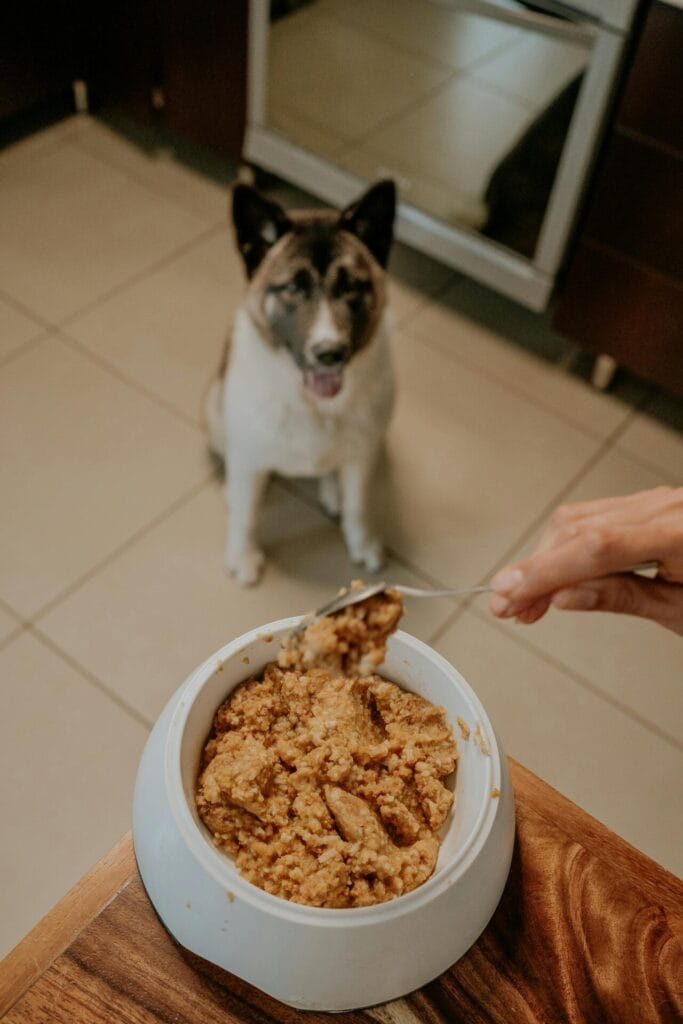
While you may know which human foods are safe to give your dog, some common, everyday foods can turn into veterinary emergencies in less than a few hours of being ingested by your dog.
These are the foods that are putting dogs into emergency rooms in thousands, and believe it or not many of them are foods considered health food for humans.
Want to know why a “harmless” grape could lead to kidney failure or how chocolate toxicity depends on the type of chocolate? We will also reveal which sugar substitute has killed dogs in less than 30 minutes.
Toxic ingredients that can cause real emergencies
Every year, thousands of dogs end up in an emergency vet clinic because they ate something their owners didn’t realize was dangerous.
If your pooch has had a bout with food poisoning, the culprit is often something you wouldn’t suspect like grapes, chocolate, xylitol, or onions. Read on to discover some of the less known dangers lurking in your kitchen, including hidden dangers found in your kitchen’s ingredients labels.
One common misconception about the dangers of plants is that you have to eat a large amount of the plant to get sick. Some plants can kill you or cause emergency symptoms like seizures and organ failure with just a trace amount of the plant. In this situation, plants around your home can also cause a toxic situation.
Check the ingredient labels for the following, and avoid buying them: peanut butter, sugar-free gum, etc. Keep safe alternatives on hand.
If you are in doubt, however, call your veterinarian immediately. Quick action can mean the difference between a close call and a tragedy.
“Healthy for humans” foods that backfire for dogs
In addition, some human food myths state that “healthy for humans equals healthy for dogs”, which creates some serious dog health risks.
Also, avocados contain persin, which can cause damage to your dog’s heart muscle.
The sugar free peanut butter you like to keep on hand, the kind sweetened with xylitol, that healthy sweetener you keep in mind when you indulge, can cause liver failure within hours of ingestion.
Grapes and raisins, good for your heart, will cause acute kidney shutdown in dogs for reasons we still don’t understand.
Even macadamia nuts, the omega-3 powerhouses, can cause rear leg paralysis and tremors.
I haven’t yet discovered a vegan friendly smoothie, but if you use spinach I would think that the oxalates bind the calcium to form those painful bladder stones.
What keeps you fit and energized may send your dog to emergency care, despite your best intentions.
How Much Is Okay? Portions, Treats, and Weight Gain
Even if you’re feeding your dog the best food possible, if you’re giving him a little more week by week, your dog can end up overweight without either of you realizing it.
Many dogs gain weight so gradually that owners don’t even notice, especially with fluffy breeds, where an extra five pounds can hide underneath all that fur.
The good news is that, if you are concerned about weight gain, simple portion checks can help to keep your dog a healthy size for life.
Simple portion checks so your dog doesn’t quietly get chubby
It can be quite easy to gain weight if you have a dog, and you might not even realize that they’ve gained weight until you try to put their harness on them and realize it’s a little too tight!
This is why regular portion sizes checks are important for effective weight management.
Here are three simple ways to monitor your dog’s weight:
- The rib test: Run your hands along their sides. You should feel ribs easily without pressing hard, but they shouldn’t be visible.
- The waistline check: Looking down from above, your dog should have a visible waist behind the ribs, not a straight or rounded shape.
- Weekly weigh-ins: Use a bathroom scale monthly to catch gradual changes before they become problems.
These quick checks will only take you a few seconds to do but can help you prevent some serious health issues down the road. You can also add in some treats that are healthy and tasty like some homemade bacon dog biscuits.
Special Diet Situations You Should Not DIY
Although you can probably handle most of your dog’s nutritional needs at home, there are certain instances where it may be best to leave this job to the experts — your veterinarian.
Puppies and senior dogs have unique metabolic requirements that change rapidly, and getting those ratios wrong can lead to developmental issues or premature aging.
If your dog has kidney disease, diabetes, pancreatitis, or food allergies, your dog needs a prescription diet, and you need a veterinarian.
Puppies, seniors, and medical diets that need a vet’s help
A home-prepared diet can work well for many healthy adult dogs, but at certain life stages and in certain health conditions, you may need to see your vet for advice.
When You Need Professional Help:
- Puppy nutrition requires precise calcium-to-phosphorus ratios and calorie densities because rapid growth mistakes can cause permanent skeletal damage, especially in large breeds.
- Senior diets often need adjustments for kidney function, joint health, and changing metabolism, which your vet can tailor to your aging companion’s specific needs.
- Medical conditions like kidney disease, diabetes, food allergies, or pancreatitis require therapeutic diets to manage symptoms and slow disease progression through carefully controlled nutrient levels.
Don’t wing it. The consequences of nutritional imbalances can be irreversible and expensive if experienced during critical life stages or with serious health issues.
Turning This Guide Into Your Dog’s Weekly Menu Plan
When you have absorbed the theory and know all about the nutritonal principles, it is time to get the system in place that will help you to transform this knowledge into an applied program that will be easy to follow and consistent with your beliefs and opinions.
Meal prep is a good idea for you and your dog. Cook your dogs food on Sundays, portion his proteins, vegetables and grains into individual containers for the week. That way you know he will be getting a consistent amount of calories and nutrients.
Meal prepping each week will ensure that your dog gets the correct balance of nutrients each day and will help to streamline your daily routine and eliminate any meal time guess work.
Make a rotation chart so you know which protein sources you’ve used and how to swap out proteins every few days to avoid sensitivities and stay interested. If you had chicken on Monday, try beef on Wednesday and fish on Friday.
Take notes of what works well and what gives your pup digestive problems. You will soon have a personalized dog menu blueprint. You will soon become an expert at knowing what to prepare next. As a side note, make sure to use vet approved homemade dog food ingredients.
Conclusion
Now you have the knowledge and your dog is getting better nutrition because of it. So, this week start with one or two of the safe foods and watch your dog’s reaction. Try to keep the portion small (although it is OK to give them more). Remember you are not replacing their meal with something else, but you are upgrading their meals with variety. If you are unsure about something please call your vet before you try it on your dog. I am sure you would not want to make a mistake and hurt your dog. And your dog trusts you to make the right decision for him or her. So take that trust seriously and enjoy the new vigor of your dog.

Amr Mohsen is a software engineer who traded his keyboard for a leash — at least on weekends. His love for dogs inspired him to share what he learns as a dog owner and enthusiast, bringing a detail-oriented, research-driven perspective to every article he writes. If it’s about dogs, he’s probably already looked it up twice.