
Is your dog constantly scratching, licking, or smelling a little funky? You might have a yeast infection on your hands… and you’re not alone.
Yeast infections in dogs are very common and can be itchy and uncomfortable for your dog. They can quickly get worse if left untreated. Most often they appear on your dog’s ears, paws, skin folds and belly. Medications from the vet can help but many pet parents are turning to natural remedies for relief and to stop the problem from reoccurring.
If your dog also suffers from allergies or skin problems then this is something you will want to pay extra attention to. Yeast infections are often a side effect of allergies, and skin problems as well. Feeding your dog homemade dog food for skin allergies can make a difference.
Today we will discuss 5 natural remedies for yeast infection in dogs, which are safe, affordable, and easy to try at home. We will also talk about what yeast infections are, what the symptoms are, and when you should call your vet.
Let’s help your dog feel better—naturally.
What Is a Yeast Infection in Dogs?
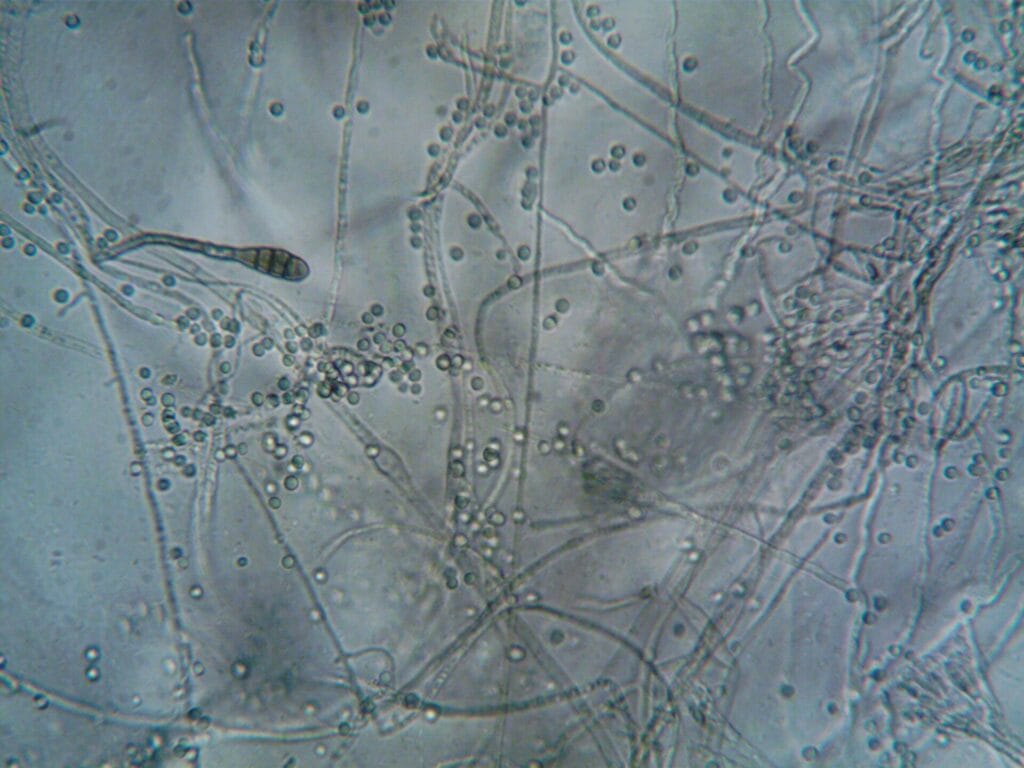
A yeast infection in dogs happens when there is an overgrowth of yeast (a fungus called Malassezia) on your dog’s skin. Malassezia is a type of yeast that is normally present in small amounts, but when the balance gets thrown off, it can multiply quickly and cause itching in your dog. For itchy dogs, a diet tailored to their needs like homemade dog food for allergies can help.
What Causes Yeast Infections in Dogs?
The main culprit is likely Malassezia yeast getting out of control.
What throws off the balance? Several things can set off a yeast flare-up, such as:
- Allergies (to food, pollen, fleas—you name it)
- Moisture trapped in ears or between paw pads — keeping dog paw wipes handy helps prevent buildup
- Poor diet, especially high-carb kibble — switching to grain free dry dog food may reduce yeast triggers
- Overuse of antibiotics, which kill off good bacteria too
If you want to know more about how food plays a role in your dog’s health, check out our guide on the best homemade dog food recipes for a healthier pup.
Where Do Yeast Infections Usually Occur?
Yeast loves warm, damp places. That’s why you’ll often find infections in areas like:
- The ears (a top trouble spot for many breeds) — regular use of a dog ear cleaning solution can help
- Between the paws, especially if your dog licks them a lot
- Inside skin folds (think bulldogs or pugs) — a gentle dog skin fold cleaner works well
- Around the groin or belly
These spots are the perfect little hideouts for yeast and if your dog is dealing with allergies or itchy skin, remedies for itchy dog skin can help soothe the skin and provide relief.
Is It Contagious?
While yeast infections aren’t contagious, you don’t need to worry about spreading them to your pet.
That said, if your dog is dealing with frequent or severe infections, it could point to an underlying issue—like allergies, immune imbalance, or poor gut health. Supporting digestion with homemade dog food for gastrointestinal health may help restore balance. Daily care tools such as dog probiotic chews also support the gut-skin connection.
Learn more in our guide: Understanding Yeast Infection in Dogs.
Why Choose Natural Remedies for Yeast Infections in Dogs?
When your dog is itching like crazy or smells like they rolled in a bag of corn chips, you may be tempted to reach for prescription medications. Sometimes, this is exactly what’s needed, but for many cases (especially mild to moderate), natural remedies can work as well with fewer side effects.
Natural vs. Prescription: The Pros and Cons
| Option | Pros | Cons |
|---|---|---|
| Natural Remedies | Gentle on the body, fewer side effects, affordable, easy to apply at home | May take longer to see results, not always strong enough for severe infections |
| Prescription Medications | Fast-acting, effective for serious or recurring cases | Can cause side effects, pricey, may weaken immune system if used long-term |
Natural treatments aren’t meant to replace your vet’s advice—but they can be a great first line of defense or an add-on to help prevent future flare-ups. For ongoing itchy skin relief, you might explore dog skin allergies home remedies as part of a natural plan. A gentle hypoallergenic dog shampoo is also useful for regular care.
When Do Natural Remedies Work Best?
- Early stages of a yeast infection
- Mild or localized cases (just the paws or ears)
- As part of ongoing maintenance, especially if your dog is prone to recurring infections
- In combination with diet changes, such as feeding lower-carb, yeast-fighting foods
- To help sooze symptoms from related conditions like itchy or dry skin
These remedies are most effective when you catch the problem early. If your dog is already in discomfort, it’s worth trying—but keep an eye on symptoms and don’t hesitate to ask your vet for guidance. Many owners also support healing with a better diet, like homemade dog food for dry skin, along with supplements such as dog probiotics to restore gut balance.
Vet-Approved and Safe for Dogs
Natural doesn’t always mean safe. Some ingredients that are fine for humans can irritate or harm dogs. That’s why it’s essential to stick to vet-approved remedies and use correct dosages, especially with oils, herbs, or DIY mixes. For safe at-home help, 11 dog remedies for everyday ailments provides helpful guidance. Keeping a bottle of dog ear cleaning solution at home also helps manage yeast-prone areas.
Pro tip: Always do a small patch test before applying a product to a larger area of your dog’s body.
Talk to Your Vet First
Even if you’re going natural, you should at least have your vet check your dog out. They can help you:
- Confirm it’s actually a yeast infection (not mites or bacteria)
- Recommend safe, effective natural treatments
- Monitor your dog’s progress to make sure things don’t get worse
Natural remedies can be an amazing way to help your dog heal faster and feel better. When used the right way, and under the direction of your vet, natural remedies can be very helpful. For more holistic health advice, you may also be interested in making homemade dog food recipes for healthier pups for your pup.
5 Natural Remedies for Yeast Infection in Dogs
If you’re looking for gentle and effective ways to help your dog heal, natural remedies can be a game-changer. These treatments work with your dog’s body to support healing and are often things you can find in your own home.
Here are 5 vet-approved solutions to deal with yeast infections in dogs.
1. Apple Cider Vinegar Spray
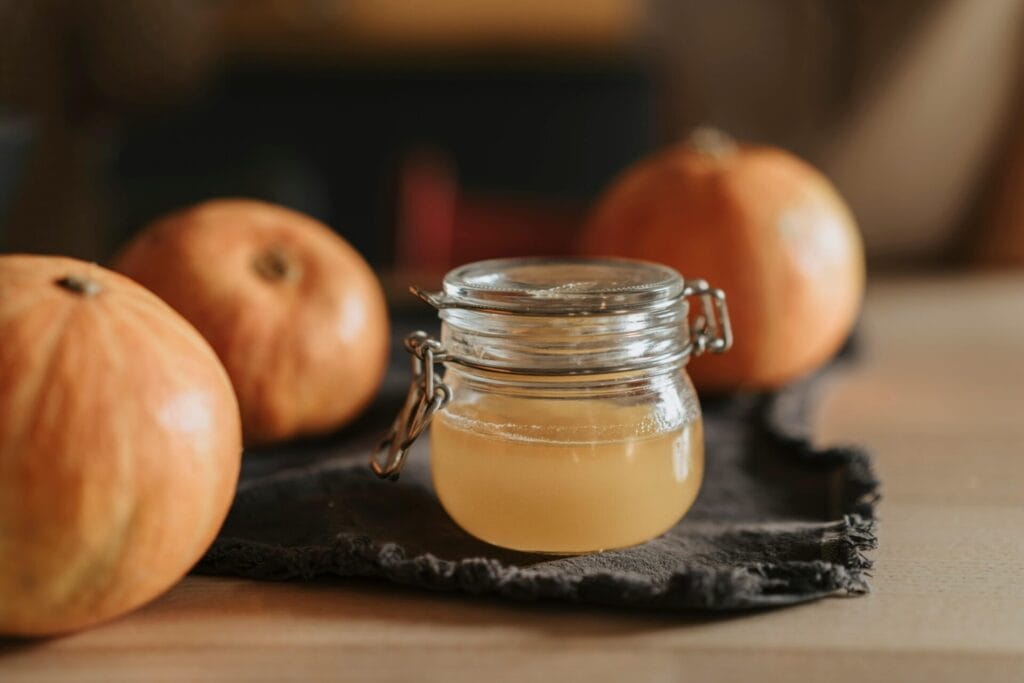
Why it works:
Apple cider vinegar (ACV) is antifungal. ACV helps to restore a dog’s skin pH. It also kills yeast when applied to the skin. Especially if your dog is prone to itchy skin or recurring skin infections, combining ACV with Natural Remedies for Yeast Infection in Dogs can be a good idea.
How to Use It:
- Mix equal parts water and raw, unfiltered apple cider vinegar (50/50).
- Pour into a spray bottle.
- Spray directly on affected areas like paws, armpits, and belly—but never on open wounds or raw skin. It’ll sting like crazy.
If your dog also has allergies, you may want to try out these Dog Skin Allergies Home Remedies for additional relief.
Can It Be Used on Paws or Ears?
- Paws: Yes—especially if your dog licks or chaws at their feet.
- Ears: Be careful. Don’t pour ACV directly in the ears. Instead, use a damp cotton ball to gently wipe the outer ear.
How Often to Apply:
- 1–2 times daily until symptoms improve.
- Continue a few times per week for maintenance.
For longer term results, it is best to use ACV as part of a yeast-fighting diet, such as those found in Homemade Dog Food for Dogs with Yeast.
Learn more about yeast hotspots on your dog’s paws and ears in our post on Understanding Yeast Infection in Dogs.
2. Coconut Oil

Why it works: Coconut oil is loaded with caprylic acid, a natural antifungal that kills yeast. It’s also very moisturizing and safe for your dog if they lick it off of their skin.
How to Apply
- Rub a small amount directly onto irritated or flaky skin.
- For internal benefits, add ½ to 1 teaspoon per 10 pounds of body weight to their food. Start slowly. A scoopable organic coconut oil for dogs can make this easy.
Is It Safe for All Breeds?
As long as your dog doesn’t have pancreatitis or sensitive stomach, coconut oil should be safe for him/her. And we have a healthy recipe for your pet in 12 amazing ways to soothe your dog’s upset stomach. Try it with your dog and see how his skin looks.
How Long to See Results
Some dogs show relief in a few days, while others may take 1–2 weeks of consistent use. To keep skin soft and yeast under control, many owners rotate coconut oil with a gentle dog moisturizing balm.
To learn more about gentler ways to help heal your dog’s skin, check out our guide to 14 effective home remedies for your dog’s itchy skin. Also, you may find our tips in 11 dog remedies for common ailments helpful.
3. Probiotics for Dogs
Why Gut Health Matters
Yeast overgrowth often starts in the gut. If your dog’s microbiome is out of balance—thanks to antibiotics, stress, or poor diet—yeast can spread fast. A balanced diet, like the recipes we share in homemade dog food for gut health, can play a big role in prevention. For ongoing digestive support, some owners also use dog probiotic chews as part of their daily routine.
Natural Sources of Probiotics
- Plain, unsweetened yogurt
- Kefir (fermented milk)
- Fermented veggies in tiny amounts (like sauerkraut—no garlic or onions).
We also include probiotic-friendly meal ideas in our homemade dog food for gastrointestinal issues guide. Adding a spoonful of goat milk for dogs to meals is another easy way to boost probiotics naturally.
Store-Bought Supplements
Choose a dog-specific formula with multiple strains of good bacteria, like Lactobacillus and Bifidobacterium. Look for products labeled “live and active cultures.” Pairing supplements with omega-rich meals, such as those in 5 Omega-3 packed homemade dog food for skin health, helps support both gut and skin health. If you’re not sure which supplement to choose, a multi-strain probiotic powder for dogs is a versatile option.
How Long to Use Them
For dogs prone to yeast, it is safe for use on a long-term basis. I recommend starting daily for at least 4-6 weeks. Adjust from there based on your dog’s needs. It is important to maintain a consistent routine for both diet and probiotics.
4. Oatmeal and Herbal Baths
Why It Works
Oatmeal is soothing and helps relieve itching and inflammation. Add calming herbs like chamomile or green tea, and you’ve got a healing spa day for your pup. For more tips on easing irritation, see our guide on dog skin allergies home remedies. A ready-made colloidal oatmeal dog shampoo can also be a gentle option between baths.
Simple DIY Oatmeal Bath Recipe
- Grind 1 cup of plain oatmeal into a fine powder.
- Brew 2–3 chamomile tea bags or green tea bags in hot water.
- Fill the tub with warm (not hot) water.
- Stir in the oatmeal and brewed tea.
- Let your dog soak for 10–15 minutes.
- Pat dry—don’t rinse it off!
If your pup struggles with skin irritation often, pairing baths with a nourishing diet like our homemade dog food for dry skin can help heal from the inside out too. Adding a touch of dog-safe coconut oil after drying can lock in moisture.
How Often to Bathe
- 1–2 times per week during a flare-up
- Reduce to every 2–3 weeks once the skin improves
Want more natural soothing ideas? Check out 14 effective remedies for your dog’s itchy skin. Keeping a jar of dog paw balm handy can also help protect sensitive spots between baths.
5. Diet Changes and Anti-Yeast Foods
Why It Matters
Yeast feeds on sugar and starch—which means a high-carb or low-quality diet can make infections worse. Cleaning up your dog’s meals can stop yeast at the source. Dogs that already struggle with digestion often do better on softer meals, much like the ones in homemade dog food for dogs with no teeth. If you’re looking for an easy shortcut, some owners also rotate in fresh dog food toppers to keep meals gentle on the stomach.
Ingredients to Avoid
- Corn, wheat, and soy
- Starchy veggies like potatoes or peas
- Processed treats with fillers and sugar
Some of these same foods are also known triggers in dogs prone to stomach upset, which is why gentle adjustments like those found in ways to soothe an upset stomach can make a difference. Replacing carb-heavy snacks with healthier grain-free dog treats helps avoid hidden yeast triggers.
Best Natural Anti-Yeast Foods
A diet that consists of mainly chicken or turkey, along with lightly cooked greens can help starve out the yeast. A healthy fat like organic coconut oil can help as well, along with small additions of probiotics to help support the gut.
Some pet parents also find success with balanced recipes like homemade dog food for chicken allergies, which naturally avoids many yeast-promoting foods. Pairing meals with a dog probiotic supplement can further improve gut balance.
Sample Anti-Yeast Meal
Try mixing ground turkey with cooked spinach and a spoonful of plain yogurt for an easy, yeast-fighting bowl. If you’d rather not cook, a grain-free dog food for sensitive skin can be a reliable option that avoids common triggers while still supporting healthy skin.
Bonus Tips to Prevent Future Yeast Infections

Are you tired of constantly treating a yeast infection? Well I was too, so I decided to go the prevention route.
Dry your dog completely after baths or swimming
Yeast thrives in warm, damp spots. Toweling off thoroughly—ears, paws, belly folds, and armpits—goes a long way. Some owners also keep a dog blow dryer handy for a gentle, cool finish. If your pup’s skin is extra sensitive, a nourishing diet such as homemade dog food for skin allergies can strengthen defenses from within.
Clean ears and paws regularly
A weekly routine helps stop yeast before it builds up. A gentle dog ear cleaning solution paired with soft paw wipes works well, especially in humid climates. For dogs prone to chronic irritation, dog skin allergies natural remedies may provide additional comfort.
Use vet-approved ear cleaners or paw wipes. Avoid alcohol-heavy solutions as they will dry and irritate the skin. Dog-specific solutions will be able to keep the skin flora balanced without harsh side effects. Some pet parents also find that using these with the guidance in 11 dog remedies for everyday ailments at home work well.
Don’t over-bathe—preserve natural skin oils
Too many baths can strip the skin of its protective layer, allowing yeast to flare up. Stick to once every 2–3 weeks unless advised otherwise. A gentle hypoallergenic dog shampoo can help maintain balance without drying out the skin.
Keep food and water bowls clean
Bacteria and yeast love dirty bowls. Wash dishes daily with hot, soapy water to avoid infections. If your pup is sensitive to gut imbalances, you might also like our guide on homemade dog food for gastrointestinal health. And for added peace of mind, switching to a stainless steel dog food and water bowl set makes cleaning easier.
When to See a Vet for Your Dog’s Yeast Infection
Natural remedies can be super helpful, but sometimes it’s best to call in the experts.
If symptoms get worse
Natural treatments should start easing discomfort within a week or so. If your dog’s itching, redness, or odor is getting worse instead of better, it’s time for a check-up. Dogs with persistent irritation often benefit from gentle routines like those in dog skin allergies home remedies. Keeping a skin-soothing spray for dogs on hand may also bring relief while you wait for your vet visit.
Signs of secondary infection
Open sores, pus, bleeding, or scabs may point to bacterial infections that require medical treatment. To help prevent flare-ups, some owners turn to balanced meals like homemade dog food for ear infections. For immediate comfort, gentle antimicrobial dog wipes can keep irritated areas clean between treatments.
Recurring yeast infections
If infections keep coming back, there might be deeper issues—such as allergies, immune imbalance, or an underlying condition. Supporting immunity with better diet choices, like best healthy homemade dog food recipes, is one long-term step. Some pet owners also explore dog allergy supplements to help manage triggers.
Combining natural and prescription treatments
Sometimes the best approach is a mix of both. A vet can guide you on safely pairing antifungal meds with natural options like coconut oil or probiotics. Our guide on 12 effective remedies for dog diarrhea also shows how everyday home care can complement veterinary treatment. Alongside professional care, simple tools such as a pill pocket dog treat can make giving medication stress-free.
FAQs About Natural Remedies for Yeast Infections in Dogs
Can I use human anti-fungal cream on my dog?
Not recommended—at least not without your vet’s OK. Some human creams contain ingredients toxic to dogs if licked or absorbed. Safer options include pet-formulated antifungal sprays or dog-safe antifungal shampoos. From the nutrition side, a gentle diet like homemade dog food for sensitive stomachs can help reduce yeast flare-ups.
How long do natural remedies take to work?
In mild cases, you should see an improvement in a couple of days. If your dog’s issue is more serious or he is a repeat offender, you can expect improvement in 2-3 weeks. If you don’t see an improvement after 7-10 days, it’s probably a good idea to take him to see your vet. Remember that many owners also use a remedy in conjunction with a balanced diet such as 15 vet-approved homemade dog food recipes.
Can I combine more than one natural remedy?
Absolutely! A multi-approach plan (like probiotics + ACV spray + diet changes) often works best. Just don’t overload—stick to a few and monitor your dog closely. Adding a dog probiotic powder to food is one easy way to support gut balance while using topical care.
Are essential oils safe for yeast infections in dogs?
Use with caution. Many oils—like tea tree in high doses—are toxic. Always dilute heavily and check with your vet. Some owners avoid oils altogether and instead focus on nourishing meals such as best homemade dog food recipes for a healthier pup. For gentle topical care, dog-safe calming sprays are often a safer choice.
Is a yeast infection in dogs dangerous?
Not usually—but it’s very uncomfortable. If left untreated, it can lead to skin damage, secondary infections, and chronic flare-ups. The good news: with proper care, yeast infections are highly treatable. Supporting skin with diets like homemade dog food for dry skin and maintaining hygiene with dog ear cleaning wipes helps keep problems under control.

Amr Mohsen is a software engineer who traded his keyboard for a leash — at least on weekends. His love for dogs inspired him to share what he learns as a dog owner and enthusiast, bringing a detail-oriented, research-driven perspective to every article he writes. If it’s about dogs, he’s probably already looked it up twice.