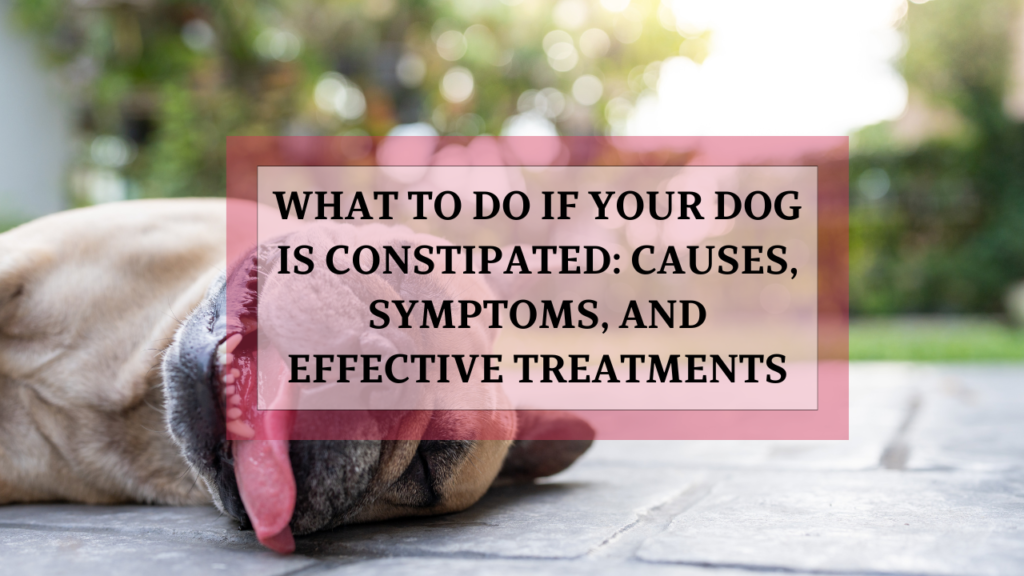
If your dog hasn’t pooped in 24-48 hours, is straining but nothing is happening or passing small, hard, pellets, then he or she is constipated. Constipation can occur in dogs if they are dehydrated, not receiving enough fiber or not getting enough exercise. The first thing to do is to try to increase their water intake and giving them 1-4 tablespoons of plain canned pumpkin per meal. In addition to this, take your dog out for a 10-15 minute walk as the exercise can help to stimulate the intestines. If there is no improvement within 48 hours, or if you see vomiting, lethargy or severe straining, then you will need to take your dog to your veterinarian as a blockage can occur. There is more to know about constipation in dogs, as well as prevention of it.
Key Takeaways
- Dog constipation is usually caused by dehydration, low fiber, lack of exercise, dietary indiscretion, medications, obstructions, or high-fat foods.
- Symptoms include straining without stool, hard pebbles, circling, whimpering, decreased appetite, lethargy, and abdominal discomfort or bloating.
- Seek veterinary care if no bowel movement occurs for 48-72 hours or straining lasts more than 10 minutes without results.
- At-home treatments include increasing water intake, offering canned pumpkin, short walks, and using Miralax or mineral oil.
- Prevent constipation with daily exercise, fresh water, regular feeding schedules, and weekly fiber-rich foods like pumpkin or sweet potato.
Dog Constipation: Causes, Symptoms, and What Actually Works
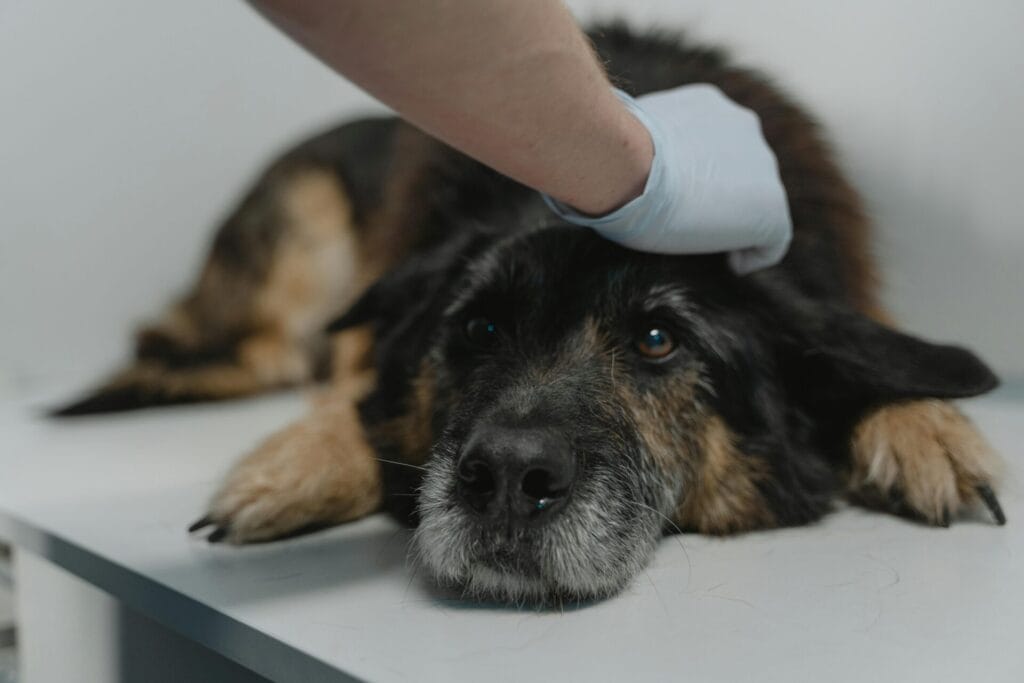
Your dog starts straining in the yard without producing anything or the stools come out hard and dry, like little pebbles. Then your dog has constipation. Constipation occurs when too much water is absorbed from waste as it passes through your dog’s colon, making defecation difficult or infrequent.
Causes can be dehydration, lack of fiber, lack of exercise, some medications or just a sensitive system. Symptoms are excessive circling, whimpering when trying to defecate, and small amount of liquid stool with mucus.
some of our dogs go 2 or 3 days without pooping. they normaly go each day.
Most of these cases can be managed with simple interventions such as increased water intake, adding pumpkin puree to meals, and more frequent walks to stimulate bowel movements. Finding effective solutions for constipation can help get your dog’s comfort back and get her regular again quickly.
Why Dogs Get Constipated (And When It’s a Real Problem)
Understanding why your dog is not pooping and how you can help your dog feel better is usually much simpler than you would think.
Most of the time, the cause is something simple like dehydration or eating something they shouldn’t have. But sometimes, unexpected triggers such as low thyroid or medications are to blame.
But the real question you’re probably asking is: is it time to call your vet, or just wait it out?
The Most Common Causes Vets See Every Day
While your dog has many potential causes of constipation, many veterinarians will also tell you that dietary indiscretion is among the most common culprits. After all, when your dog eats something that he shouldn’t, you know that he’s only a few hours away from being backed up.
Here are the everyday causes vets see most frequently:
- Inadequate fiber intake from low-quality commercial foods or unbalanced homemade diets
- Dehydration from not drinking enough water, especially in older dogs or hot weather
- Ingested foreign objects like bones, toys, fabric, or hair causing physical blockages
- Lack of exercise leading to decreased intestinal motility and sluggish digestion
Dietary indiscretions and intestinal parasites are not the only things that can slow down a dog’s digestion. Some medications, including opioid pain relievers and antihistamines, can slow a dog’s digestive system as well.
Age-related muscle weakness affects a dog’s ability to pass stool normally as well.
Less Obvious Triggers Most Owners Miss
While those everyday causes account for most of the constipation cases, your dog’s backup problems could be due to causes you wouldn’t suspect without a vet pointing them out.
If your dog has orthopedic issues like hip dysplasia or arthritis that cause pain when squatting to defecate, your dog may just avoid pooping altogether.
Certain neurological conditions that affect the spine or nerves can affect the bowel’s normal muscle contractions.
Certain medications, especially opioid pain relievers and antihistamines, can slow down your intestines considerably.
In older dogs the prostate can enlarge and physically compress the colon (constipation).
Even stress and anxiety from moving houses or a new puppy can literally shut down your dog’s digestive system.
Hypothyroidism slows down the metabolism of the body, including the gut.
These unknown factors need a vet, not a home remedy.
How Long Is Too Long Without a Bowel Movement?
How many times a day should a dog poop to stay in the healthy zone? Normally, healthy dogs poop one to two times a day, but some dogs go three times a day.
If you have a dog that has not had a bowel movement in 48 hours you need to be concerned. If they have not had a bowel movement in 72 hours or more you have a constipated dog and a visit to the vet is warranted.
Watch for these warning signs that time’s running out:
- Straining for more than 10 minutes with minimal or no results
- Small, hard, pebble-like stools instead of normal consistency
- Visible discomfort, whimpering, or circling repeatedly before attempting
- Decreased appetite combined with lethargy and abdominal tenderness
If your dog seems very distressed, don’t wait the full three days. Go to a veterinarian.
Older dogs or dogs with pre-existing conditions often have more severe symptoms.
Signs Your Dog Is Constipated
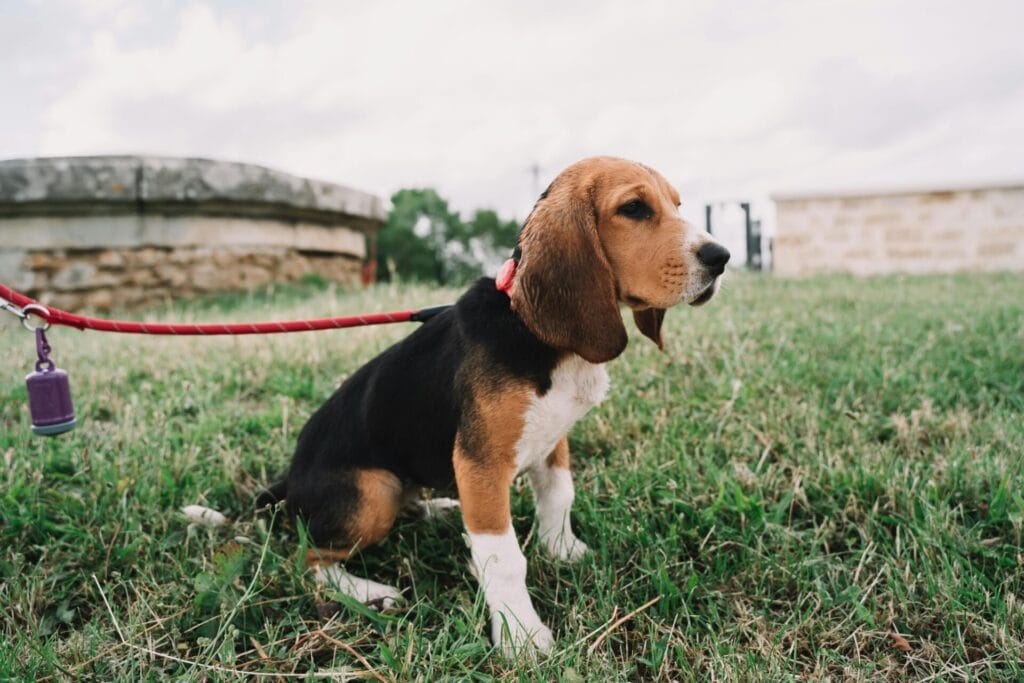
Spotting constipation in your dog can be tricky since bowel movements can vary between individuals.
Things to watch for on your walks include straining without producing stool, passing small hard pellets, or taking a particularly long time in their usual bathroom spot.
Your dog’s behavior at home may give you clues, too. Some of the more obvious signs include restlessness, a loss of appetite, and a tucked tail (when your dog would normally be wagging it).
Physical Signs to Look For During and After Walks
One of the easiest ways to catch constipation early is to pay attention to your dog and their bathroom routine. You may notice some telltale signs that something is wrong with their tummy.
During walks, look for these physical indicators:
- Straining or hunching for a long time without producing stool
- Circling repeatedly in the same spot, unable to defecate comfortably
- Whimpering or showing discomfort while attempting to go
- Passing small, hard, dry pellets instead of normal-sized stools
After walks, your dog seems very tired or uncomfortable.
They may also be reluctant to eat their next meal. If your cat is showing these signs, they may be constipated and it is time to take action.
Behavioral Changes That Signal Discomfort
Beyond your dog’s behavior during walks, their overall behavior at home can reveal just as much about their digestive struggles.
Your pup might start becoming very restless, getting up and down more often, or even pacing around the house. Some dogs may hide in a corner, or not want to play at all.
If your dog isn’t eating, a lack of appetite is a big sign of discomfort. Even the most food-motivated dog may turn his nose up at the bowl.
Sometimes your pet might be showing excessive licking of the belly or the rear end, as a sign of pain in those areas.
If your cat is whining, whimpering, or for no obvious reason, he may be in pain or otherwise uncomfortable.
These changes in behavior, especially when combined with other symptoms, are a sign that your dog needs help.
At-Home Treatments That Work

Before you rush your dog to the vet, take a deep breath and read on. There are many safe, effective treatments that can help your dog at home.
It’s important to know which remedies actually work, how much to give and when to use them. From simple tricks to keep your horse hydrated to other remedies like fibre-rich foods or even pumpkin, you might have more tools than you realise.
Increase Water Intake: The Simplest Fix First
Dehydration is the most common cause of canine constipation, and it’s usually the easiest problem to fix. A dog needs adequate hydration to keep things moving smoothly through their digestive tract, and sometimes a few changes are all it takes.
Here’s how you can boost your dog’s water intake:
- Place multiple water bowls throughout your home, refilling them twice a day.
- Add low-sodium chicken broth to their water for better taste
- Feed moisture-rich foods like canned pumpkin or wet dog food alongside kibble
- Offer ice cubes as treats, especially during warmer months
Most dogs need one ounce of water per pound of body weight each day.
If your 50-pound dog doesn’t drink enough water on his own, you’ll need to get creative.
Proper hydration can help with constipation, but gentle solutions for upset stomach can help address other common issues your dog may face.
Add Fiber Through Food (What to Feed and How Much)
If you have dealt with water intake, your next step is to ensure your dog gets enough fiber in his diet.
Pumpkin is a wonder food! This is the plain kind of canned pumpkin, not the pie filling. Start by giving your dog 1-4 tablespoons per day, depending on its size, with smaller dogs starting with 1 tablespoon and larger dogs 4 tablespoons.
Sweet potato cooked and mashed provides similar benefits in the same quantities.
Green beans (fresh or canned without salt) provide gentle fiber when you add a few tablespoons to your meals.
Wheat bran is another option. Sprinkle 1-2 teaspoons over food if your dog is small and up to a tablespoon for large dogs.
Mix any fiber addition gradually into regular meals, and monitor your dog’s response over 24-48 hours before adjusting amounts. These same ingredients can be incorporated into nutritious homemade dog food recipes that support long-term digestive wellness. When preparing homemade dog food, ensure ingredients are properly balanced to support your pet’s overall digestive health and nutritional needs. Many of these fiber-rich foods also appear in delicious homemade recipes designed to keep your pup happy and healthy. For dogs with ongoing digestive issues, creating nourishing homemade dog food specifically designed for gastrointestinal health can provide targeted support and prevent future constipation episodes. If you have a Golden Retriever, you can incorporate these fiber-rich ingredients into breed-specific meal plans that address their unique nutritional requirements.
Safe Stool Softeners and Laxatives for Dogs
Sometimes, fiber alone doesn’t work fast enough, and that’s when carefully selected stool softeners or laxatives can help your constipated dog find relief.
Your vet might recommend options like:
- Milk of Magnesia: Give 1-2 teaspoons per 10 pounds of body weight, but never use it for more than two days without veterinary guidance.
- Mineral oil: Mix 1 teaspoon per 10 pounds into food, though it can interfere with vitamin absorption if overused.
- Miralax (polyethylene glycol 3350): Typically ¼ to ½ teaspoon per 10 pounds daily, dissolved in water.
- Docusate sodium: A gentle stool softener available in pet-specific formulations.
Always check with your vet before administering any laxative as an incorrect dose can worsen dehydration.
Light Exercise to Get Things Moving
In addition to this, changes in medication or food can work on the inside to help your dog pass waste, but gently moving your dog around can help with digestion too – with more blood flow and muscle contractions stimulating your dog’s body to pass bowels.
Take your constipated dog out for some short, leisurely walks around the block. Aim for about 10-15 minutes, two to three times a day. The gentle jostling motion of walking combined with walking upright promotes intestinal motility.
If your dog just lies around all day, any amount of play, even with his favorite toy, can be helpful. Just don’t make him run or jump too much, as that might cause discomfort.
It’s not marathon training. You are working with your dog’s body not forcing it to work overtime.
Pumpkin, Olive Oil, and Other Home Remedies: What the Evidence Says
When your dog’s digestive system needs a gentle nudge, your kitchen likely contains several proven remedies that veterinarians commonly recommend as first-line treatments.
Evidence-backed home remedies for constipation:
- Canned pumpkin (not pie filling): Add 1-4 tablespoons daily, depending on your dog’s size, as the fiber helps promote healthy bowel movements.
- Olive oil: Mix ½ teaspoon per 10 pounds of body weight into food, lubricating the digestive tract.
- Coconut oil: Similar benefits to olive oil, with antimicrobial properties that support gut health.
- Increased water intake: Add low-sodium broth to meals to encourage hydration and softer stools.
Each of these remedies works in a slightly different way. Fibre adds bulk, and oils lubricate, but hydration is a necessary part of the process as well. While treating your dog’s constipation, it’s important that any foods you offer are safe for dogs to eat and won’t cause further digestive upset. Just as you would be diligent about removing dog urine from your carpets to maintain a clean home, getting your dog’s constipation under control sooner rather than later will help keep them happy and healthy overall. Of course, it’s not just your dog’s digestion that needs to be taken care of; a good dog harness that doesn’t put any pressure on their abdomen may help your dog feel more comfortable as well.
When Home Remedies Are Not Enough
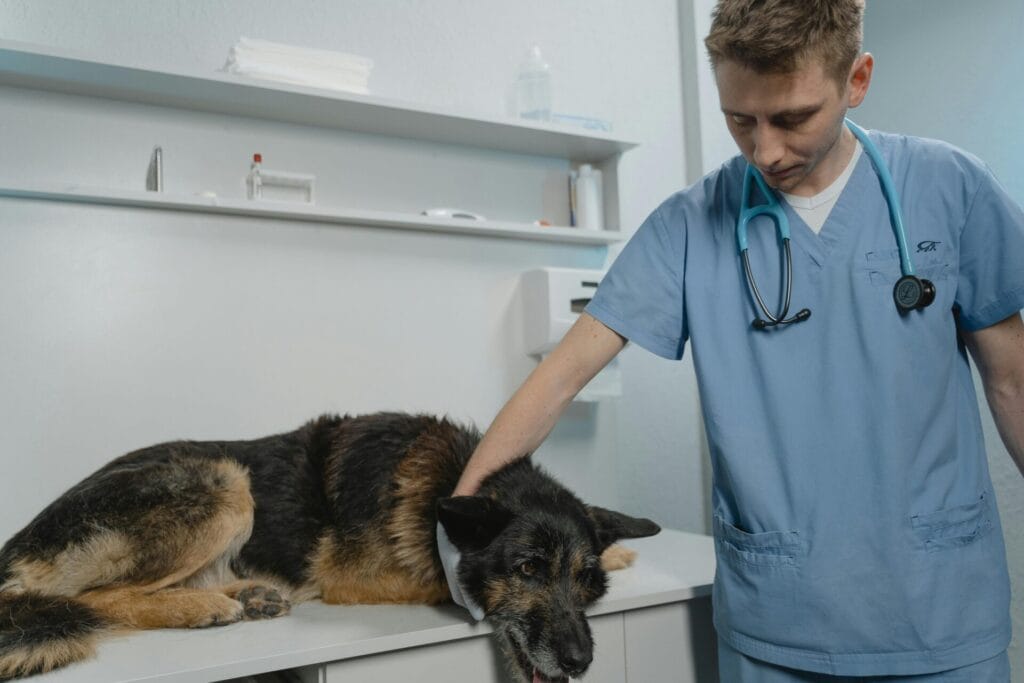
At times, the home remedies just won’t work, and your dog’s constipation needs the help of a professional veterinarian.
You need to know the signs that indicate that it is time to take your dog to the veterinarian. These include straining for more than 48 hours, blood in the stool, or complete inability to defecate.
There are several options that can be done by your veterinarian such as an enema, manual removal of feces, etc. These are often done if the at-home methods don’t relieve the dog.
Signs It’s Time to Call the Vet
Although home remedies may be of some benefit for mild constipation, your dog may need professional medical attention. Read more about constipation in dogs here.
If you notice these warning signs, it’s time to schedule a vet visit:
- No bowel movement for 48-72 hours, despite trying fiber supplements, drinking more water, and exercising
- Visible straining with painful whining or yelping, which could indicate an obstruction or megacolon
- Vomiting, lethargy, or loss of appetite accompanying the constipation suggest a more serious issue
- Blood in stool or around the anus, possibly indicating internal injuries or severe impaction
– Your vet can do an X-ray, feel the abdomen, give you enemas or laxatives safely.
Do not wait until the dog is severely distressed. Treatment is most effective when given promptly.
What the Vet Will Do: Enemas, Manual Removal, and More
When you arrive at the vet’s office, your vet will perform a thorough physical examination. As a part of the physical examination, your vet will palpate your dog’s abdomen in an attempt to locate the impaction of the stool and to assess for a bowel blockage.
Your vet might perform X-rays or ultrasounds to see how far down the blockage goes and to see if there are any foreign objects or tumors.
If the feces are very hard, your vet may give your cat an enema of warm saline or mineral oil solution to soften the stool.
In some cases, especially if your dog is in a lot of pain, manual extraction under sedation may be necessary – where your vet will manually remove the hardened fecal matter from your dog.
Severe obstipation may require hospitalization and IV fluids and medications.
Vets may prescribe stool softeners, laxatives, or motility drugs, such as lactulose, to help prevent recurrences and restore normal bowel function.
Preventing Constipation From Coming Back
Once you have treated your dog’s constipation, you will want to ensure that it does not occur again.
Luckily, keeping your dog’s digestive system running smoothly is as easy as making sure your pooch gets proper hydration and exercise each day.
You should also know what foods or substances can cause constipation and keep them out of your dog’s reach.
Daily Habits That Keep Your Dog’s Gut Healthy
After you’ve successfully treated your dog’s constipation, the real work begins: keeping it from coming back.
Building healthy daily habits to create healthy dog digestion is the foundation to their good health.
Here’s what you should focus on:
- A consistent exercise routine: Aim for at least 30 minutes of activity daily to stimulate bowel movements.
- Fresh water access: Change their water bowl twice daily and make sure it’s always available.
- Regular feeding schedule: Feed at the same times each day to help regulate their digestive system.
- Fiber-rich diet: Include pumpkin puree or sweet potato in their meals 2-3 times weekly.
With the simple steps listed above you can rest assured that you are doing all that you can for your dog to have the best possible gut motility and prevent another episode of this nature in the future.
Foods and Substances to Avoid Giving Your Dog
While creating good habits is the foundation, you will also need to know which foods to avoid. There are a few foods which can cause constipation or which may make your dog’s digestive problems worse.
Bones, especially cooked ones, can splinter into sharp fragments that get stuck in the colon and cause an obstruction. Dairy products are often a problem, as many dogs are lactose intolerant, causing digestive upset. High fat foods and processed treats or table scraps can also slow the motility of the gut.
Note: Dogs should not be given too much rice either as some dog owners give their dogs rice for diarrhea and it can sometimes make the situation worse and cause constipation. Raw hide chews can also cause choking and blockages in the dog.
Cacao and cocoa, chocolate, grapes and grapes leaves, onions and onion leaves and onions skins are toxic for dogs.
Conclusion
Now that you have learned the warning signs of gastrointestinal issues, hopefully tried the remedies and know when to call your vet, your dog’s digestive system, consisting of all the intricate muscles and nerves, is back on track. But, it is important to keep fiber in their diet, their water bowls full and to exercise them on a regular basis so that they do not slip back into an uncomfortable cycle.

Amr Mohsen is a software engineer who traded his keyboard for a leash — at least on weekends. His love for dogs inspired him to share what he learns as a dog owner and enthusiast, bringing a detail-oriented, research-driven perspective to every article he writes. If it’s about dogs, he’s probably already looked it up twice.