
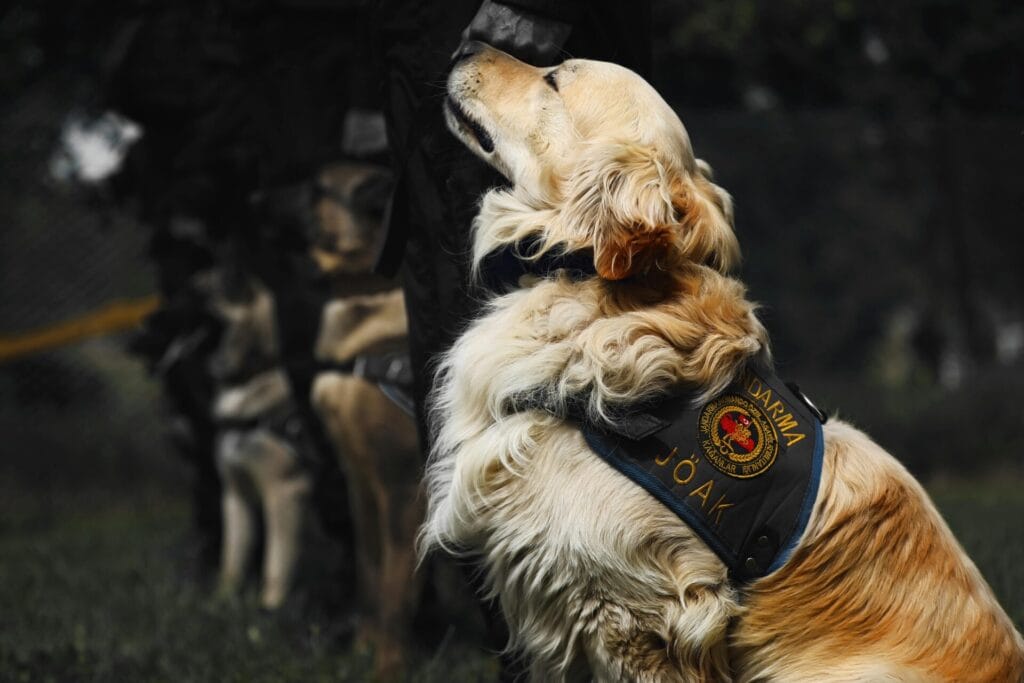
You drop your phone in a crowded store, your balance wobbles, and before panic lands, your dog quietly braces beside your leg so you can stand steady. Or you’re lying awake at 2 a.m., heart racing, and a warm weight leans against your chest, grounding you before the spiral starts. That’s the difference between a pet and a service dog who’s truly tuned to your life.
Right now, choosing that dog probably feels huge. You’re seeing price tags in the thousands, waitlists that stretch for years, and “best breeds” lists that all disagree. On top of that, you’re picturing this dog in your actual home—a golden coat glowing against your living room rug, not a fur tornado destroying your carefully chosen throw pillows.
The wrong fit doesn’t just mean frustration; it can mean a stressed dog, failed training, and you still white‑knuckling days that were supposed to get easier. This guide will help you choose a service dog breed with intention, not guesswork—covering the traits that truly matter, the breeds that reliably shine, and how to match them to your needs, energy level, and home aesthetic. If you want to warm up your training brain before diving in, start with these dog training tips for a well‑behaved pup.
What Exactly Is a Service Dog?
Service Dog vs ESA vs Therapy Dog
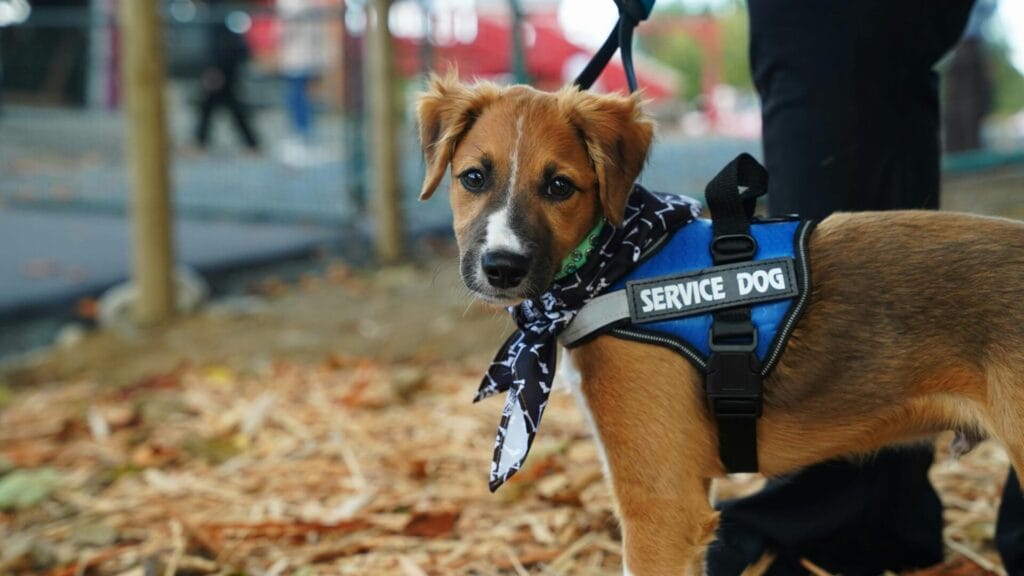
A service dog is trained to do specific tasks that help you with a disability, like guiding you, picking things up, or warning you before a medical episode. Those tasks must be reliable and repeatable, not just “being comforting.”
An Emotional Support Animal (ESA) gives comfort but is not task‑trained and does not have the same public access rights as a service dog. A therapy dog visits places like hospitals or schools to comfort other people, not to work as your personal assistance dog.
Because of their training, service dogs are allowed in most public places where pets are not, as long as they are housebroken, calm, and under control. If you want a simple overview of what “training” really looks like, you can skim this service dog training complete guide before you choose a breed.
The Jobs Service Dogs Can Do
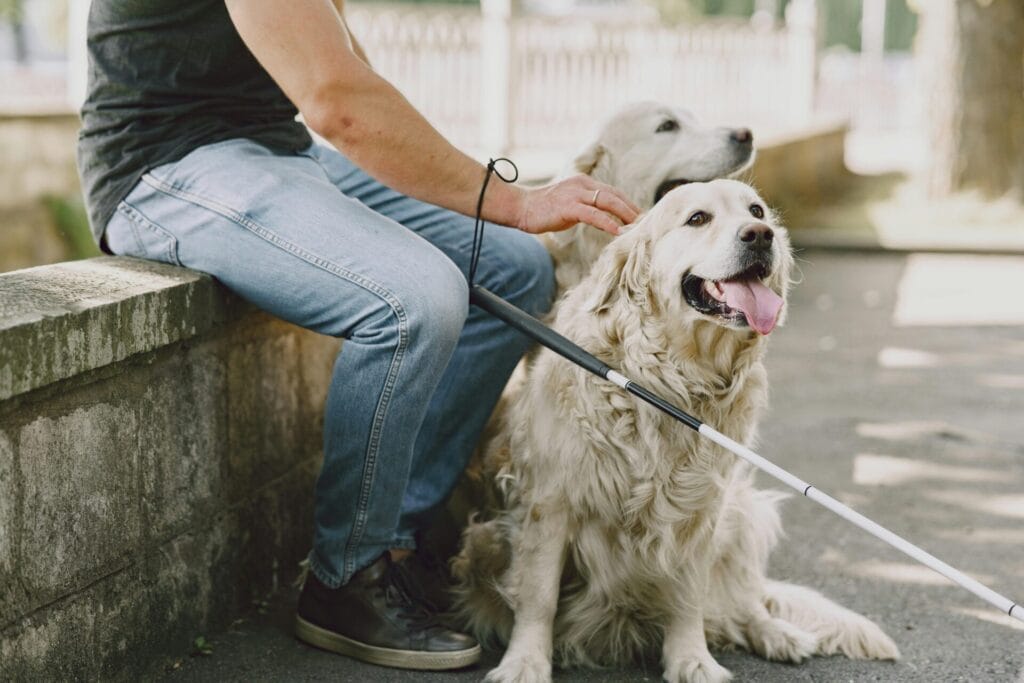
Service dogs can guide you around obstacles, steps, and traffic if you have low or no vision. They can help with mobility by bracing when you stand, pulling a wheelchair, or picking up dropped items so you do not have to bend and risk falling.
If you are hard of hearing, your dog can alert you to alarms, doorbells, a crying baby, or someone calling your name and then lead you to the sound. Some dogs are trained to notice changes linked to seizures, blood sugar, or allergic reactions and then get help, bring medication, or perform tasks that keep you safer.
Psychiatric service dogs can interrupt panic attacks, apply deep pressure to calm you, guide you out of a crowded store, or check a room so you feel safe enough to sleep. To see how these skills fit into everyday life and basic manners, you can pair this with the ultimate guide to dog training tips and techniques.
Before the Breed: Traits Every Good Service Dog Needs
Core Temperament and Personality Traits
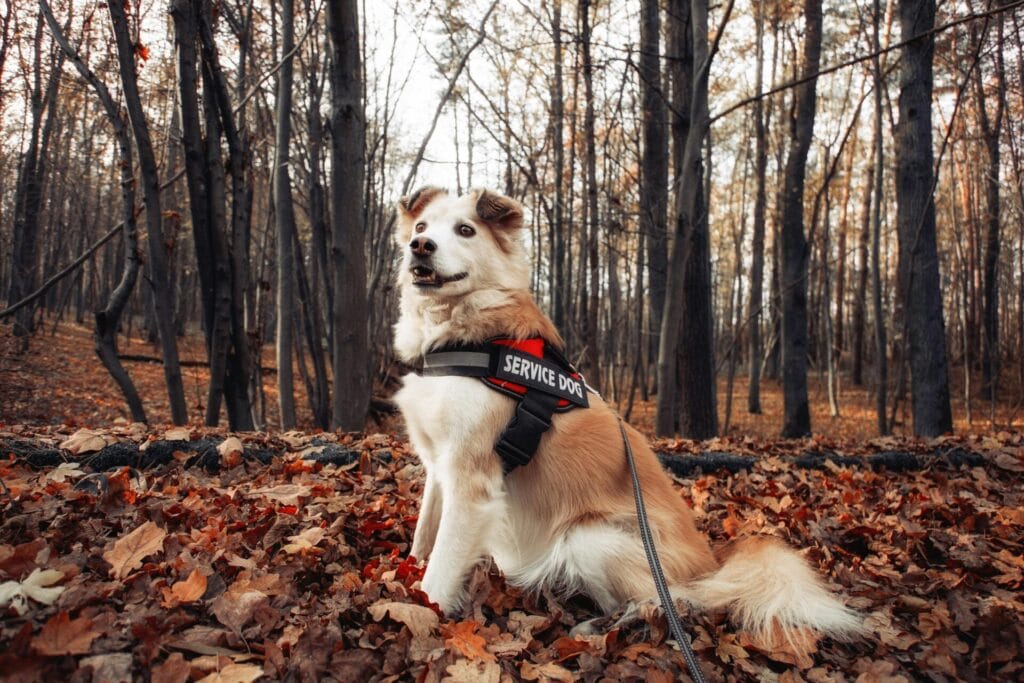
The best service dogs enjoy learning and can pick up new skills quickly. They should be eager to work with you every day, not stubborn or shut down.
You need a dog that stays calm in busy places like airports, streets, or cafés, even with noise, kids, and other dogs around. A good candidate is friendly but not so excited that they drag you toward every person they see.
Strong service dog prospects are emotionally stable and recover quickly from surprises, like a dropped pan or a loud truck. They handle new places and surfaces without freezing, panicking, or becoming reactive.
Health, Structure, and Grooming
A service dog is your full‑time partner, so good health is non‑negotiable. Look for clear hips, elbows, heart, and eyes, plus no serious chronic issues that will cut their working years short.
For tasks like bracing or balance, your dog’s size and build must match your height and weight so the work is physically safe. A tiny dog cannot safely support a tall adult, while a giant dog may be hard to manage in tight spaces.
Coat type also affects your daily life. A heavy shedder can trigger allergies and cover your light sofa, while a low‑shed or curly coat demands regular brushing and grooming visits. If you are already planning a dog‑friendly home, ideas like these 12 essential must‑haves for every dog owner can help you picture how a working dog will live in your space.
Lifestyle Fit Questions to Ask Yourself
Start with your real energy level. How many minutes can you honestly walk and train your dog on a normal day, not your best day? A high‑drive, athletic breed can be amazing if you move a lot, but in a quiet lifestyle that same dog may become anxious or destructive.
Think about your home: small apartment or large house, quiet or full of kids and guests, city noise or calm suburb. Also consider how often you travel, if you will use elevators or public transport, and how you want your dog to look while resting in your carefully styled space.
If you love home design, it can help to scroll through creative dog room ideas and imagine your future service dog moving through those kinds of rooms. This makes it easier to choose a breed that fits both your needs and your aesthetic.
The “Fab Four” Most Common Service Dog Breeds
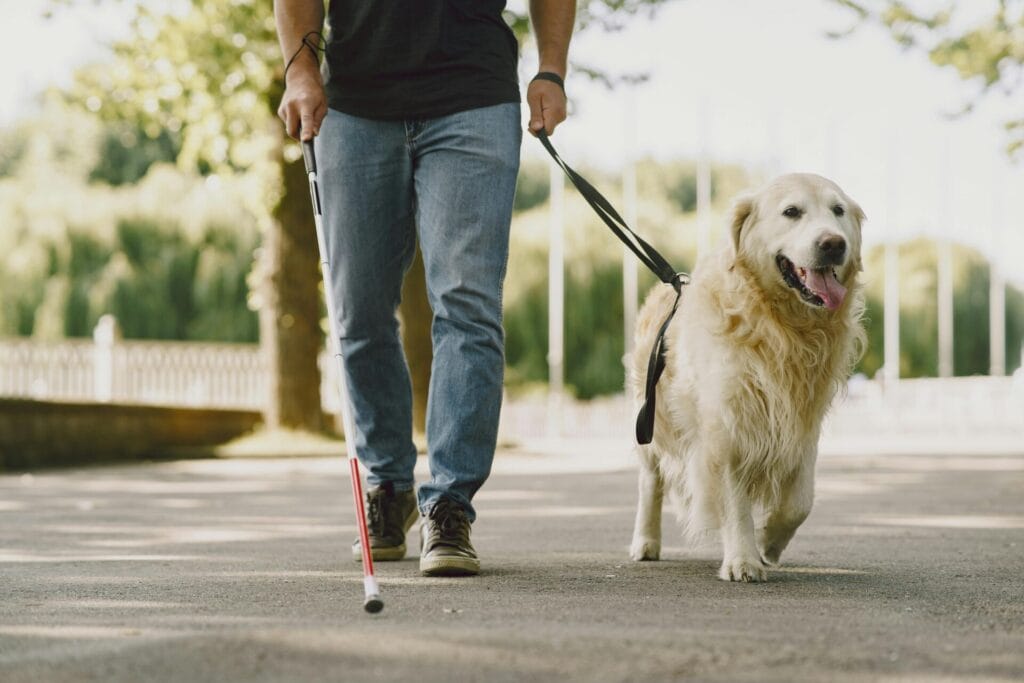
These are the breeds you see again and again in service dog programs. They are not perfect for everyone, but they are the usual starting point.
Labrador Retriever – The Classic All‑Rounder
Labradors are friendly, eager to please, and usually love working with you. They tend to stay steady in busy places like streets, buses, and stores, which makes them a top choice for guide, mobility, psychiatric, and medical alert work.
Labs are medium to large, with a sturdy build that works well for tasks like bracing and counterbalance. They do shed and need daily exercise, so they fit best if you can commit to walks and training plus a cleaning routine that protects your couch and rugs.
Golden Retriever – Gentle and People‑Focused
Golden Retrievers are soft, affectionate, and very people‑oriented, which is why you often see them as guide dogs and mobility partners. They are usually patient with children and strangers, and they pick up complex tasks well when trained with clear, kind methods.
The trade‑off is heavy shedding and regular grooming, along with a risk of certain health issues in some lines. If you love the idea of a fluffy golden sprawled in your living room, plan ahead with a good vacuum and grooming plan so the fur does not take over your neutral space.
Standard Poodle – Smart, Stylish, and Low‑Shed
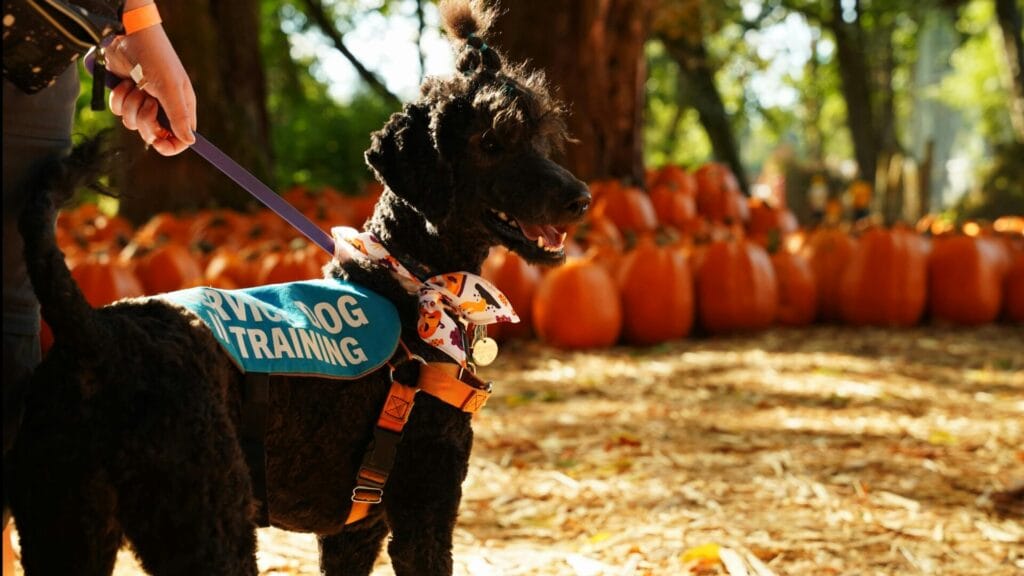
Standard Poodles are extremely smart, athletic, and often very tuned in to their person. Many do well in mobility, psychiatric, and medical alert work when chosen from stable, confident lines.
Their low‑shed coat is a big win if you have allergies or a light, design‑forward home, but that coat does need regular grooming to stay tidy. If you like a polished look, you can clip your Poodle in a simple, clean style that matches your decor instead of the classic show trim.
Collies – Sensitive, Observant Partners
Rough and Smooth Collies are sensitive, thoughtful, and very handler‑focused when well bred. They can be a great fit for mobility, psychiatric, and some medical alert tasks, especially if you want a dog that feels gentle and watchful rather than goofy.
They can be more sound‑ and environment‑sensitive than Labs or Goldens, so they may not suit very loud city life or chaotic homes. Smooth Collies give you less coat maintenance and can blend nicely into a calm, organized space without constant brushing.
Other Great Service Dog Breeds Worth Considering
Not every great service dog is a Lab, Golden, Poodle, or Collie. With careful selection and training, other breeds can also be amazing partners.
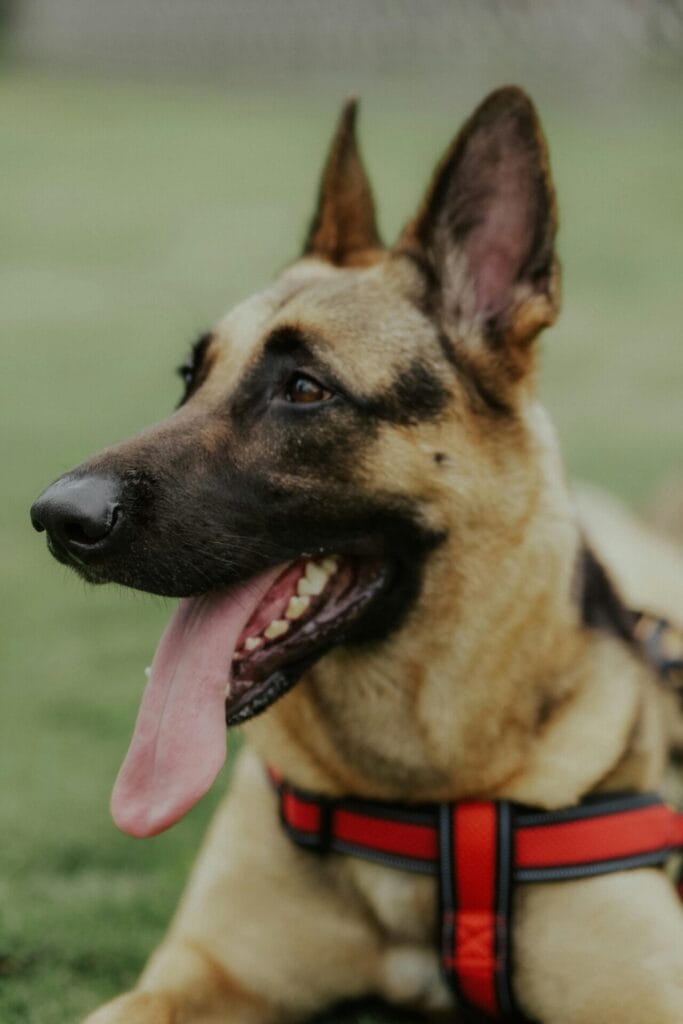
German Shepherd Dog – Focused and Serious
German Shepherds are loyal, intelligent, and capable of very complex work. They have a strong work ethic and can shine in guide, mobility, medical alert, and psychiatric roles when they are well bred and well socialized.
They do need excellent training and early social exposure, or they can become reactive or anxious in public. Hip, elbow, and spine problems are also concerns, so you must be extra picky about health testing if you are considering this breed.
Poodle Mixes – Popular but Very Mixed
Labradoodles and Goldendoodles are popular because they promise retriever temperament with a lower‑shed coat. Some make wonderful psychiatric, medical alert, or mobility dogs, especially when bred from proven service dog lines.
But doodles vary a lot in size, coat, and temperament; not all are calm or stable enough for serious work. If you go this route, only consider breeders or programs that health test and temperament test for service work, not just for cute family pets.
Boxers, Bernese Mountain Dogs, and Other Large Breeds
Boxers are friendly, expressive, and often great with people, which can work well for some psychiatric and mobility tasks. Bernese Mountain Dogs are calm, strong, and very people‑oriented, which can make them helpful for heavy mobility support and grounding tasks.
The downside is that many giant or very large breeds have shorter lifespans and more joint issues. If you like the look and presence of a big dog, it helps to read a general overview like this guide to big dog breeds and what living with them is really like before you commit.
Smaller Breeds for Hearing, Alert, and Psych Tasks
For some jobs, like hearing alerts, psychiatric interruptions, or certain medical alerts, a small or medium dog can work very well. These dogs are often easier to handle in tight spaces and small homes, and they can curl up on your lap or next to you without feeling overwhelming.
The same rules still apply: they must be calm, trainable, and stable in public, not yappy or fearful. If you know your home or lifestyle is better suited to a petite partner, a broad overview like this small dog breeds guide can help you picture which compact breeds might fit your life and your aesthetic.
Matching Breed to Your Specific Needs
Step 1 – List the Exact Tasks You Need
Start by writing down what you actually need help with in a normal day. Do you need help standing up, walking, picking up items, or opening doors?
If you live with seizures, diabetes, or severe allergies, you may need early alerts and calm response behaviors. For anxiety, PTSD, or depression, you may want a dog who can interrupt panic, apply deep pressure, or lead you out of crowds.
When your task list is clear, it tells you whether you need a strong mobility dog, a precise scent‑based alert dog, a grounding psychiatric dog, or a mix of roles. That prevents you from picking a breed just because it is cute on Instagram.
Step 2 – Map Your Energy, Space, and Routine
Next, look at your schedule with brutal honesty. How many minutes can you commit each day to walking, play, and training on an average day?
High‑drive breeds thrive in active homes with lots of structure and exercise. In a quieter life, they can tip into anxiety, noise, or destructive habits, which is the opposite of what you need from a service dog.
Also think about your space: apartment vs house, elevator vs yard, city vs suburb, quiet vs chaotic. Big, powerful dogs can shine in mobility work, but they are harder to move through tiny hallways and tight public spaces.
Step 3 – Build a “Must‑Have” Traits Checklist
Now turn your notes into a short checklist. Include ideal size range, coat type, grooming level, energy level, and how sensitive or bold you want your dog to be.
For example, you might write: “medium size, low‑to‑moderate shedding, calm in crowds, not overly sensitive, enjoys deep pressure, comfortable with kids.” This becomes your filter when you talk to programs or breeders.
You can also add “house vibe” to that list. If you love tidy, Pinterest‑worthy spaces, it may help to lean toward lower‑shed coats and stylish gear, like the pieces in this guide to aesthetic dog supplies for stylish pet owners. That way, your dog and their equipment feel like part of your design instead of clutter.
Step 4 – Shortlist 2–3 Breeds That Fit
With your tasks and checklist in hand, highlight two or three breeds that line up on paper. Look at typical temperament, health issues, size, and common working roles for each one.
Remember you are picking a starting pool, not a guarantee. Individual dogs vary a lot, but you raise your odds when you choose breeds where the average temperament matches your needs. If you are stuck between options, reading a broader overview like this guide to family‑friendly dog breeds can help you see how different types feel to live with day to day.
Where to Find a Service Dog Candidate
Option 1 – Established Service Dog Programs
Service dog programs select puppies, raise them, and train them through a full curriculum before matching them with handlers. This means the dogs are usually health‑tested, temperament‑screened, and proofed in public before you meet them.
The trade‑off is time and control. Programs may have long waitlists, specific rules, and less flexibility about breed, size, or look. You should ask about health testing, training methods, washout rates, and what support they give you after placement.
Option 2 – Ethical Breeders Focused on Stable Temperament
Some people get a purpose‑bred puppy from a breeder who selects dogs for health and stable, social temperaments. This can be a good path if you want more control over breed, coat, and how the dog is raised, and you are ready to invest in training from the start.
Look for breeders who health test hips, elbows, eyes, and relevant genetic issues, and who are honest about any weaknesses in their lines. Meet the parents if you can; they should be friendly, stable, and easy to handle, not fearful or aggressive.
A good breeder will be curious about your disability, tasks, and lifestyle and may help you pick a puppy whose natural temperament suits service work. If they seem more excited about color or “rare” looks than about nerve strength and health, treat that as a red flag.
Option 3 – Rescue and Shelter Dogs (With Care)
Some rescue dogs can become excellent service dogs, especially for less physical roles like psychiatric support or certain alerts. This path can be more affordable up front and gives a dog a second chance, which feels good emotionally.
But rescue comes with unknowns. You may not know their genetics, early socialization, or full health history, which can affect long‑term work. Temperament testing and a trial period with help from a trainer who understands service work are key before you commit.
Rescue is usually best for experienced handlers or people who have strong professional support from day one. If you go this route, plan to invest in training, gear, and a home setup that keeps your dog calm and secure, similar to the thoughtful layouts you see in dog‑friendly home features and gear round‑ups like this one on must‑have dog gear for everyday life.
Temperament Testing and Early Screening
Simple Temperament Checks You Can Do
When you meet a puppy or adult dog, watch how they react to you and to the world around them. A good service dog prospect is curious, relaxed, and willing to follow you, not hiding behind furniture or jumping all over you.
Gently touch their paws, ears, and tail to see how they handle basic body handling. A solid candidate may look a bit unsure at first but settles quickly instead of snapping, freezing, or thrashing around.
You can also make a soft sudden noise, like dropping keys or a book on the floor, and watch what happens next. It is fine if they startle; what you want to see is a quick recovery and willingness to re‑engage with you after a few seconds.
Green Flags vs Red Flags
Green‑flag dogs are friendly without being wild, food‑ or toy‑motivated, able to focus on you, and comfortable in new places with new sights and sounds. They bounce back from stress and do not show intense prey drive or obsession with chasing.
Red flags include aggression toward people or animals, serious fear of normal sounds or surfaces, extreme over‑arousal, or any history of biting. These issues usually get worse, not better, under the pressure of full‑time service work.
No single test can “guarantee” a future service dog, especially in very young puppies. But simple checks like these, repeated over time, make it much easier to rule out dogs who are likely to wash out and focus your energy on stronger prospects.
Getting Professional Eyes on Your Dog
An experienced service dog trainer or behavior professional can see small warning signs that are easy for you to miss. They know what normal puppy behavior looks like versus early signs of fear, anxiety, or aggression that might cause problems later.
If possible, book an evaluation before you commit to a breeder, program, or rescue dog. You are about to put years of work into this dog, so a second opinion is worth far more than the cost of a consult.
Breed‑by‑Need: Quick Reference Guide
Best Breeds for Mobility and Balance Support
Mobility dogs need enough height and strength to help you stand, walk, or keep your balance. Breeds that often do well here include Labrador Retrievers, Golden Retrievers, German Shepherd Dogs, Standard Poodles, Collies, Bernese Mountain Dogs, and some giant breeds like Great Danes from sound lines.
Look for dogs with solid joints, calm temperaments, and a careful way of moving their bodies so they do not knock you off balance. If you like the idea of a large presence at your side, you might enjoy skimming real‑life notes from guides that talk about living with big dog breeds in everyday homes as you picture that weight next to your sofa or bed.
Best Breeds for Guide Work
Guide dogs must stay focused in heavy traffic, ignore distractions, and solve small problems on their own. Labrador Retrievers, Golden Retrievers, German Shepherd Dogs, and some Standard Poodles are the most common choices for this role.
You want a dog that is stable in crowds, confident on strange surfaces, and willing to take gentle initiative when needed, not one that panics or shuts down. Programs often prefer medium‑large dogs so the harness and handle sit at a comfortable height for the handler.
Best Breeds for Hearing Dogs
Hearing dogs alert you to sounds you might miss and then lead you to the source. They are often smaller or medium‑sized dogs with quick reactions and a strong interest in people.
Labradors, Poodles and poodle mixes, some Spaniels, and mixed breeds with good sound awareness can all do well in this role. The key is a dog that notices sounds, wants to tell you about them, and can stay calm in busy environments.
Best Breeds for Medical Alert and Response
For tasks like seizure response, diabetic alert, or allergy alert, you need a dog with strong scenting ability and intense focus on you. Labs, Goldens, Standard Poodles, Collies, and some other scent‑savvy breeds often stand out here when properly selected.
These dogs should be biddable, observant, and not easily rattled by sudden changes in your behavior. Many handlers also value moderate size so the dog is easy to move through tight spaces and to position next to beds, sofas, and workstations.
Best Breeds for Psychiatric Service Dogs
Psychiatric service dogs support conditions like PTSD, panic disorder, and severe anxiety. You want a dog that is calm, affectionate, and steady, but not so emotionally fragile that they absorb all of your stress.
Labradors, Golden Retrievers, Standard Poodles, Collies, and well‑bred doodles are common choices for this work. Their size allows for deep pressure therapy and blocking in crowds, and their social nature makes public spaces feel safer and more manageable.
If psychiatric support is your main need, it can help to read breed‑oriented guides, like broader lists of family‑friendly dog breeds, to picture which type of dog you want sharing your sofa, bedroom, and daily routines.
Putting It All Together – Your Personal Service Dog Blueprint
Step 1 – Write Your “Daily Life” Story
Start by writing a one‑day snapshot of your life with a few specific moments that are hard right now. Maybe standing up from the couch makes you dizzy, or crowded stores trigger panic, or you miss doorbells and timers.
Next, rewrite that same day as if you already had the ideal service dog with you. Picture exactly what the dog does in each hard moment—bracing, nudging you, leading you away, or waking you from nightmares.
Those “movie scenes” turn into real tasks on your training checklist and help you stay focused when breed lists and cute photos start to feel overwhelming. You can even keep this written story in the same notebook where you track early training sessions and public‑access goals.
Step 2 – Turn That Story into a Simple Checklist
From your story, pull out 5–10 clear needs such as “help with balance when standing,” “interrupt panic attacks,” or “alert to alarms.” Add your environment details: “busy city,” “lots of elevators,” “small apartment,” “two kids,” and “white sofa I love.”
Now layer in temperament and body traits: ideal size, coat type, exercise level, and sensitivity level. Keep this list short enough to fit on one page, and use it every time you look at a breed description, talk to a breeder, or visit a program.
You can also note any home tweaks you want to make so your dog fits your aesthetic life, not just your medical needs. For example, you might plan a low‑profile bed in your living room or a tucked‑away feeding station like the ones in many dog spaces in house design ideas.
Step 3 – Reality‑Check Your Time, Budget, and Support
Training and living with a service dog is a multi‑year project, not a quick fix. For at least one to two years, expect to invest time every single day in training, social exposure, and reinforcing calm behavior in new places.
Be honest about your budget for training, vet care, insurance, grooming, and high‑quality food. If you plan to train your own dog, add the cost of classes, private sessions, and possible “washout” if the dog turns out not to be suitable.
It also helps to look ahead at your home and gear so they support your routine instead of fighting it. A few smart choices—like wipeable fabrics and organized storage for leashes, vests, and boots—can make your space feel like a calm, curated home rather than a cluttered kennel, especially if you borrow a few ideas from cute, practical items that complete a dog bedroom.
Step 4 – Decide How You’ll Get Your Dog
Compare your three main paths: program, purpose‑bred puppy, or rescue. Use your checklist to ask good questions instead of just “Do you have any Labs?”
For programs, ask about health tests, washout rates, and how they match dogs to handlers. For breeders, focus on health testing, temperament, and whether they understand service work—not just colors or “rare” markings. For rescues, insist on a thorough temperament assessment and plan to work closely with a trainer who knows service dogs.
Whatever route you choose, remember that your goal is not the “best breed” in a vacuum. Your goal is a dog whose mind, body, and energy line up with your tasks, your home, and the way you want your life to feel ten years from now.
Step 5 – Check If You Are Ready Too
It is easy to focus only on whether a dog is good enough, but you also need to ask if you are ready for this level of commitment. A service dog needs daily care, consistent training, calm leadership in public, and regular vet visits to stay healthy and safe.
You must be willing to enforce rules kindly but firmly, keep your dog under control in public, and say “please don’t pet, she’s working” even when you are tired. You also need to understand your legal rights and limits so you do not feel pressured into misusing access privileges or overworking your dog.
If this feels heavy, that is a good sign you are taking it seriously. Many handlers find it helpful to build small routines—morning potty training, evening decompression, planned rest days—so the responsibility feels like a habit instead of a constant crisis.
Final Thoughts: Your Perfect Partner, Not a Perfect Dog
Choosing a service dog breed is not about finding a magical dog who never makes mistakes. It is about picking a breed and individual whose natural strengths line up with your needs, your energy, and your home so that training builds on what is already there instead of fighting against it.
When you picture your future with a service dog, imagine normal Tuesdays, not just dramatic “hero” moments. Think about quiet mornings on the sofa, grocery runs, family dinners, and bedtime routines where your dog’s presence makes everything feel a little steadier and a lot more doable.
If you start with a clear story of your life, turn it into a simple checklist, and stay honest about your time and budget, you will be far ahead of most people browsing random “top 10” lists. From there, the “best service dog breed” is simply the one that lets both of you thrive—your needs met, your home still beautiful, and your dog genuinely happy to do the job by your side.

Hi, I’m Ali Tarek, the founder of Animalsman. I’ve always been passionate about pets, especially dogs and cats, and I created this website to share practical tips, easy recipes, and helpful care advice for fellow pet lovers. My goal is to make pet care simple, enjoyable, and accessible for everyone. When I’m not writing or curating content, you’ll usually find me spending time with my furry friends or learning new ways to keep them happy and healthy.