
Hearing about animal cruelty cases is always heart-wrenching, and a recent incident in DeLand, Florida, is no different. The DeLand Police Department reported that a 61-year-old man was taken into custody after bystanders witnessed him dragging a small puppy behind his bicycle and kicking it repeatedly.
This shocking event, which took place at the intersection of West New York Avenue and Stone Street, has raised eyebrows. What makes it even more troubling is the man’s claim that he was merely “training” his pet.
For those passionate about animal rights and the enforcement of cruelty laws, this case serves as a crucial reminder of the vital role bystanders play in preventing such acts.
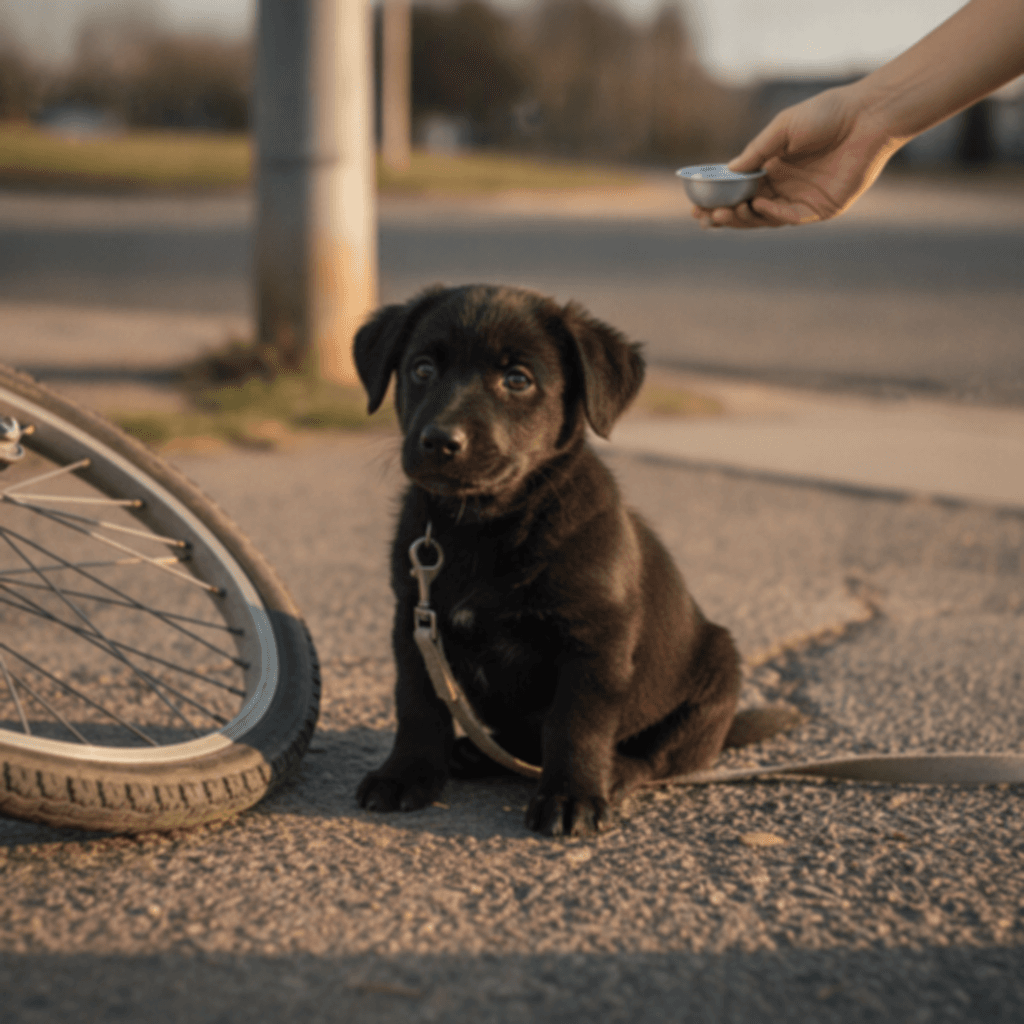
Authorities report that the troubling incident began when several bystanders noticed a small black puppy being dragged along a bicycle. Witnesses mentioned the pup was leashed, but the leash frequently became entangled with the bike, causing the poor animal to struggle to keep up with the speed of the rider. This harrowing scene evokes deep concern for a young creature still discovering its surroundings, forced to run beyond its ability.
The situation escalated dramatically when the puppy fell. Rather than pausing to help, the cyclist reportedly dismounted and began to kick and strike the dog. One brave witness intervened, urging the man to stop, but the alleged beating continued unabated. Multiple onlookers also shouted at the man, imploring him to cease the abuse, yet he remained unresponsive to their pleas.
The courageous actions of these witnesses are crucial to this narrative. Instead of remaining passive, they actively tried to protect the puppy. Their efforts included speaking out, attempting to intervene, and contacting the authorities, prompting a swift police response. This highlights how timely reporting can be vital in preventing ongoing animal cruelty.
When officers arrived, they confronted the man identified as Richard Howley. He reportedly claimed to be “training” the puppy. While some might confuse harsh treatment for discipline, the accounts reveal distressing behavior that went far beyond simply guiding or correcting the puppy.
The responding officers noted the puppy’s condition, observing that while it had no visible external injuries, it yelped when its side was touched. This reaction indicated potential pain, suggestive of bruising or even internal trauma. The officers deemed it necessary for the puppy to receive immediate veterinary care.
The police report confirms that the puppy was taken to an animal hospital. Ensuring the dog was removed from a harmful situation and placed in the care of professionals was a crucial step. Veterinary staff could evaluate any hidden injuries and provide essential treatment. The decision to seek medical assistance reflects the seriousness with which the officers approached this alleged case of cruelty.
Another alarming detail from the witnesses indicated that Howley refused to allow anyone to provide the puppy with food or water. In light of the circumstances, a puppy in distress would require rest, hydration, and gentle handling. This denial of basic needs, coupled with the physical abuse documented by multiple witnesses, starkly contrasts with responsible training practices that emphasize positive reinforcement over fear or deprivation.
After gathering statements from witnesses and assessing the animal’s condition, officers arrested Howley, charging him with felony cruelty to animals. These laws underscore the societal belief that severe mistreatment of animals is a serious offense, designed to protect them from unnecessary suffering and equip law enforcement with the authority to address egregious acts of abuse. Records indicate Howley remains in custody with a bond of $5,000.
This incident touches on broader discussions about animal cruelty and community accountability. Efforts to strengthen animal welfare laws continue across various regions, including Florida. While the details may be upsetting, they also serve to illustrate how these laws are put into action. Witnesses recognized wrongdoing and were not afraid to speak out, both to the man directly and to law enforcement, helping to safeguard a vulnerable animal.
The language in the report, particularly Howley’s characterization of his actions as “training,” raises concerns about where discipline ends and cruelty begins. Responsible dog training is inherently respectful of an animal’s needs and does not involve forcing a young dog into dangerous situations or physical punishment. By contrast, the account described a scenario filled with force and disregard for the puppy’s well-being, aligning more closely with animal cruelty than any legitimate training methodology.
For those invested in animal welfare, this case highlights the need for vigilance, compassionate action, and the enforcement of cruelty laws. While the puppy’s future hinges on veterinary evaluations and decisions from local authorities, one clear outcome has emerged: the dog is no longer in the possession of the individual accused of its abuse, and the legal system is now engaged through felony charges. This story is sobering yet illustrates the positive impact of community action in tandem with law enforcement to protect vulnerable animals from harm.

Amr Mohsen is a software engineer who traded his keyboard for a leash — at least on weekends. His love for dogs inspired him to share what he learns as a dog owner and enthusiast, bringing a detail-oriented, research-driven perspective to every article he writes. If it’s about dogs, he’s probably already looked it up twice.