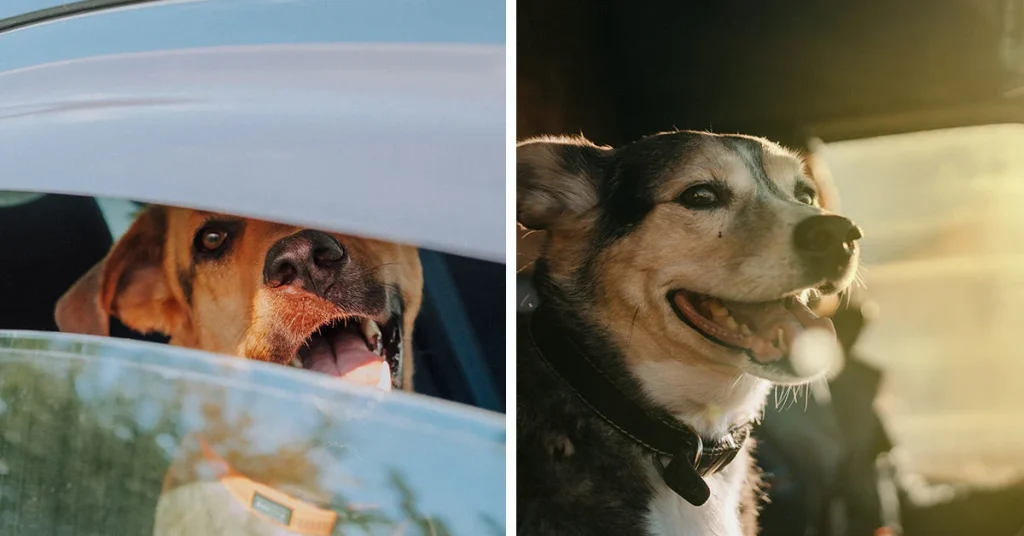
Leaving a dog alone in a car on a warm day can lead to dire consequences in just a matter of minutes. As this risk becomes more recognized, a growing number of states are implementing or widening Good Samaritan laws. These laws empower individuals to assist pets trapped in hot vehicles without the concern of facing legal repercussions.
These regulations acknowledge a crucial fact: the heat inside a parked automobile can escalate rapidly, even if the outside temperature seems reasonable. The American Veterinary Medical Association indicates that within just 10 minutes, the internal temperature of a stationary car can rise by almost 20 degrees, and simply cracking a window offers minimal relief.
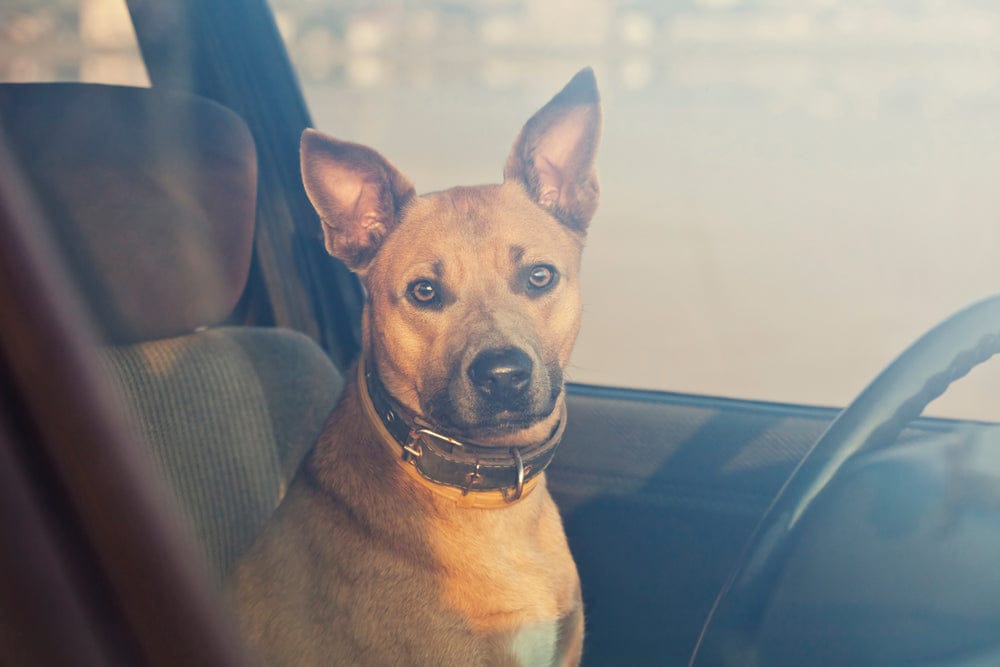
High temperatures in cars can swiftly pose a serious threat to our furry friends.
Heatstroke: A Quick and Dangerous Risk
Unlike humans, pets struggle to manage their body temperature effectively. According to the ASPCA, leaving animals in vehicles can lead to heatstroke in no time, potentially resulting in organ failure or even death.
Surprisingly, even mild outdoor temperatures can create perilous situations inside a car. On a day where the temperature is just 70 degrees, the inside of a vehicle can soar above 100 degrees within an hour, putting pets in grave danger.
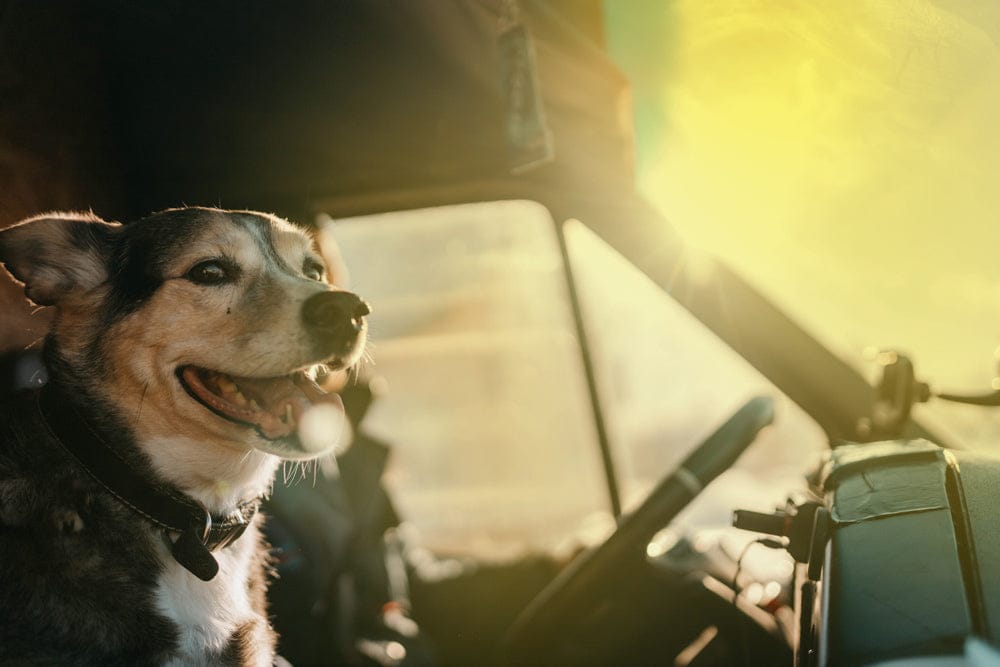
More states are stepping up to safeguard those who help animals in distress.
Enhanced Good Samaritan Protections
Legislators across the nation are bolstering legal protections for those who come to the aid of animals. The Animal Legal Defense Fund reports that many states now empower citizens to unlock vehicles to rescue animals in peril, provided they take precautions like notifying law enforcement first.
Regulations differ widely from state to state. Some laws shield only emergency responders, while others encompass everyday citizens. The Michigan State University Animal Legal & Historical Center monitors these evolving laws and notes that many states now ban leaving animals in perilous vehicle situations or permit rescues under specific conditions.
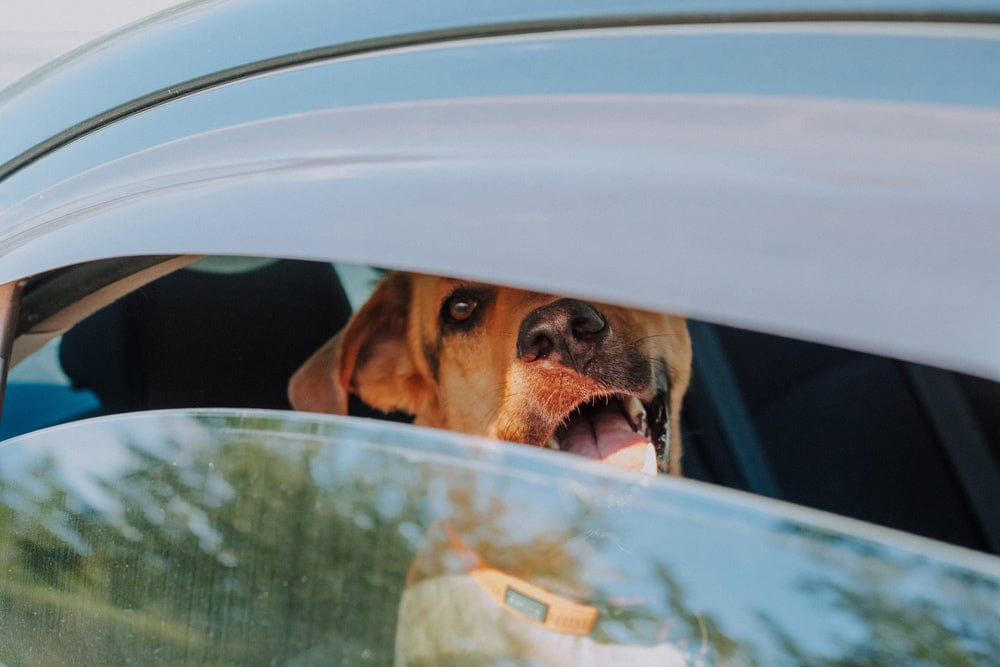
Broken windows provide minimal relief from extreme heat.
The Movement Gains Traction
Support for this initiative is growing rapidly. Recent laws passed in Washington enhance protections for individuals who rescue pets, children, and at-risk adults from locked cars after alerting the authorities, as reported by Axios.
Proponents of animal welfare believe these regulations can be life-saving by promoting prompt action in critical situations. Specialists recommend that anyone who sees an animal in peril should immediately contact local authorities, familiarize themselves with their state’s guidelines, and always operate within legal boundaries. When temperatures soar, every second counts.

Amr Mohsen is a software engineer who traded his keyboard for a leash — at least on weekends. His love for dogs inspired him to share what he learns as a dog owner and enthusiast, bringing a detail-oriented, research-driven perspective to every article he writes. If it’s about dogs, he’s probably already looked it up twice.